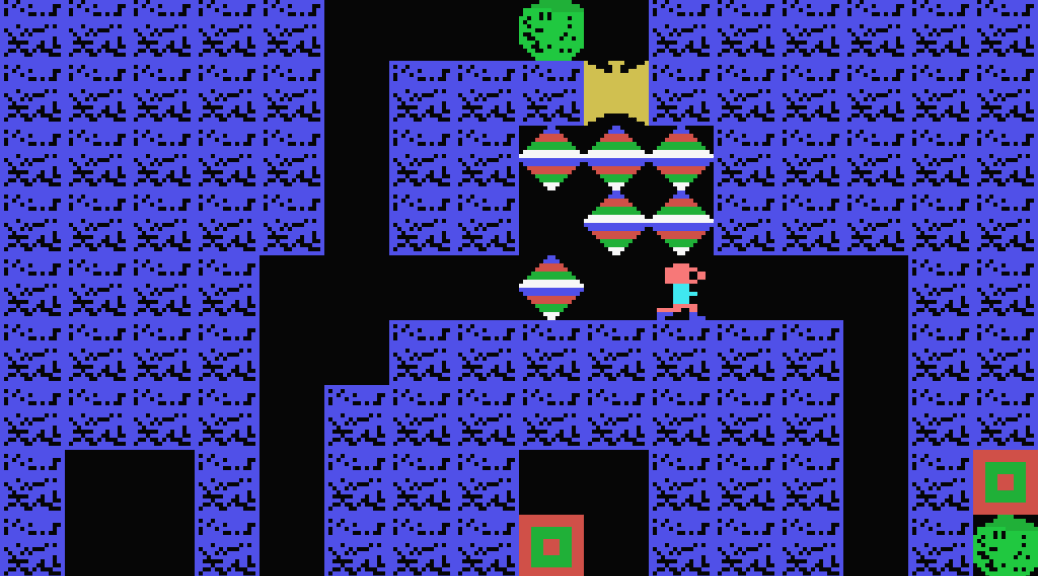
The MSX version of Boulder Dash II is subtitled “Rockford’s Riot“, which is different to the Commodore 64 version (which is subtitled “Rockford’s Revenge“). It was ported by Orpheus and published by Databyte in 1985.
Tag Archives: Iconic
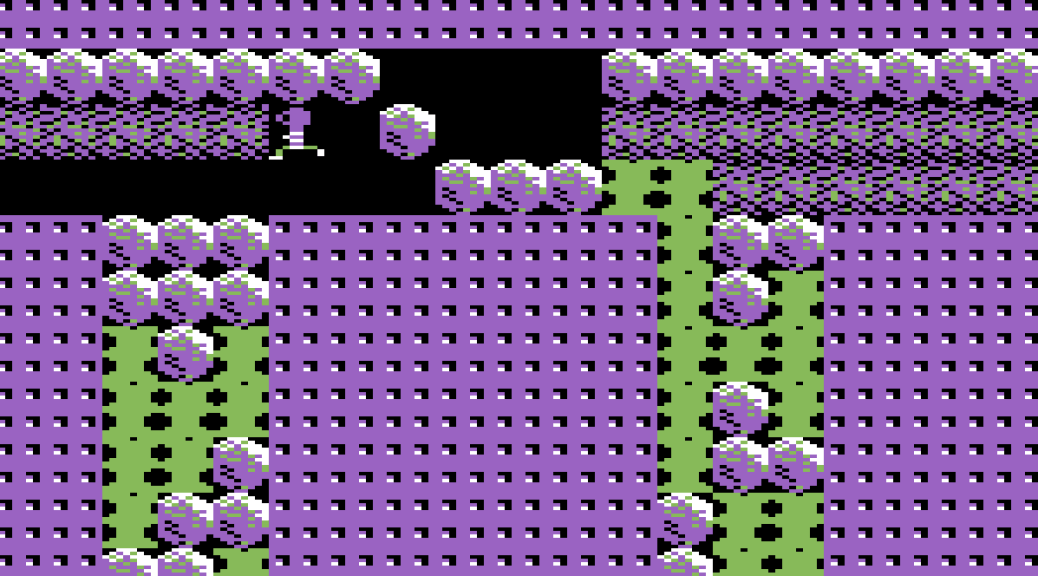
Boulder Dash II, Commodore 64
Subtitled “Rockford’s Revenge“, Boulder Dash II was again designed and programmed by Peter Liepa and published in North America by Electronic Arts in 1985 as “Super Boulder Dash” (alongside a re-release of the first game). Boulder Dash II was published in Europe as a stand-alone game, though, by Beyond Software.

Boulder Dash II, Atari 8-bit
Boulder Dash co-creator Peter Liepa created Boulder Dash II on Atari 8-bit machines first, before converting it to the Commodore 64. He’s said openly in interviews that he prefers Atari‘s machine when it comes to programming games, so it should come as no surprise to find arguably the best version of Boulder Dash II on the Atari 8-bit.
As far as I know, though, it was only released in North America as part of the “Super Boulder Dash” package from Electronic Arts (alongside a re-release of the first Boulder Dash). The Atari 8-bit version was never released as a stand-alone game. At least not by First Star Software.
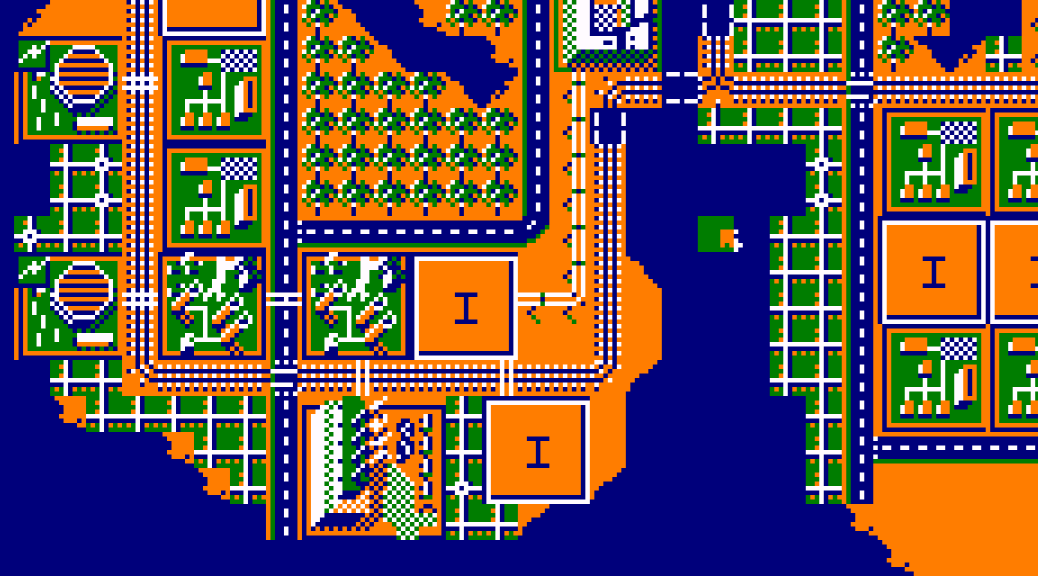
SimCity, Amstrad CPC
The Amstrad version of SimCity is arguably better than the Commodore 64 original. It was converted to the Amstrad by Probe Software and published by Infogrames in 1989.

Donkey Kong, Amstrad CPC
Ocean Software‘s 8-bit conversion of the classic 1981 Nintendo arcade game, Donkey Kong, is considered to be close to perfect on the Amstrad CPC. All the screens; all the sound effects, and all the challenging gameplay elements are present and correct in this port.

Stunt Car Racer, Amstrad CPC
Geoff Crammond‘s incredible Stunt Car Racer was converted to the Amstrad CPC by Pete Cooke, the man responsible for classic ZX Spectrum hits Tau Ceti, Academy, and Brainstorm. It’s safe to say that Cooke did an immaculate job of bringing this ace racing game to the Amstrad in 1989.
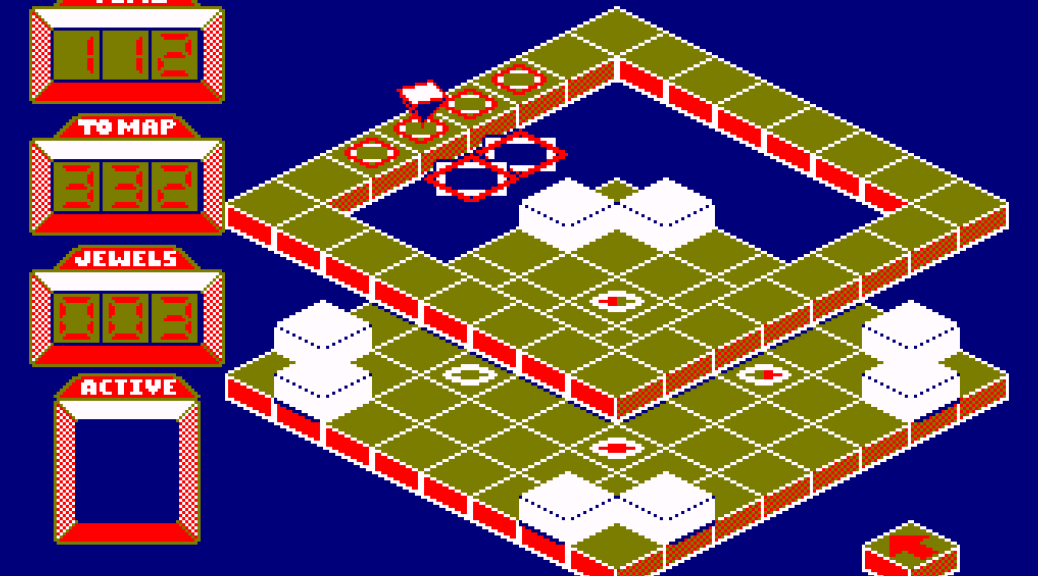
Spindizzy, Amstrad CPC
I was always under the impression that Paul Shirley‘s classic Spindizzy originated on the Commodore 64 and was ported to other machines, but this interview with Shirley says that the game actually originated on the CPC and was ported to other systems. Since Paul Shirley coded the C64 version himself I had guessed that that was a logical assumption to make, but it now looks to be wrong.
The Amstrad version of Spindizzy – one of the best games ever made in my humble opinion – is pretty much perfect, with crisp, clean, detailed graphics and responsive controls.

The Legend of Zelda: Twilight Princess, GameCube
The Legend of Zelda: Twilight Princess was developed and published by Nintendo for the GameCube and Wii in 2006 and is an unusual, beautifully-produced game with stunning visuals and evocative gameplay. It was the final first-party release from Nintendo for the GameCube.
Twilight Princess features involving, varied, and ever-evolving gameplay, with a more mature-looking Link in the title role (possibly in response to criticism of its predecessor, 2002’s The Wind Waker, due to its cartoony, cel-shaded graphics). The story involves Link trying to stop Hyrule from being engulfed by a corrupt parallel dimension called The Twilight Realm.
Continue reading The Legend of Zelda: Twilight Princess, GameCube

SimCity, Commodore 64
This classic city-building game was originally devised by creator Will Wright while he was working on the classic C64 shooter, Raid On Bungeling Bay. Wright found that he enjoyed making the overhead cities for the game – using his self-made editor – more than he enjoyed playing the game itself, so he set to work creating a game that would allow players to do the same.
SimCity was originally developed for the Commodore 64 and was initially released for that system in August of 1989, but was quickly ported to pretty much every video gaming system known to man at the time. It also spawned a long-running series, and provided a strong base from which developer/publisher Maxis would grow – specialising in “sim“-type games that would become its main market for decades to come.

Bruce Lee, Apple II
Predictably the Apple II conversion of Bruce Lee isn’t that great. It’s nowhere near as bad as the awful BBC Micro version, but it does have its problems. It first came out in 1984 and was programmed by Rick Mirsky.
 The King of Grabs