
Archer MacLean‘s seminal Commodore 64 shooter, Dropzone is like a cross between Defender and, erm, Defender, but with more realistic graphics. And slightly different gameplay. But the principles are pretty much the same: super-fast, super-smooth, side-scrolling shooting. Avoid touching anything – or it’s instant death.
Tag Archives: British

Exile, Commodore 64
Jeremy Smith and Peter Irvin‘s groundbreaking Exile first came out on the BBC Model B in 1988 and was later converted to other systems. Including for the Commodore 64.

Wizball, Commodore 64
Sensible Software‘s bizarre but brilliant 1987 Commodore 64 shooter with a difference!
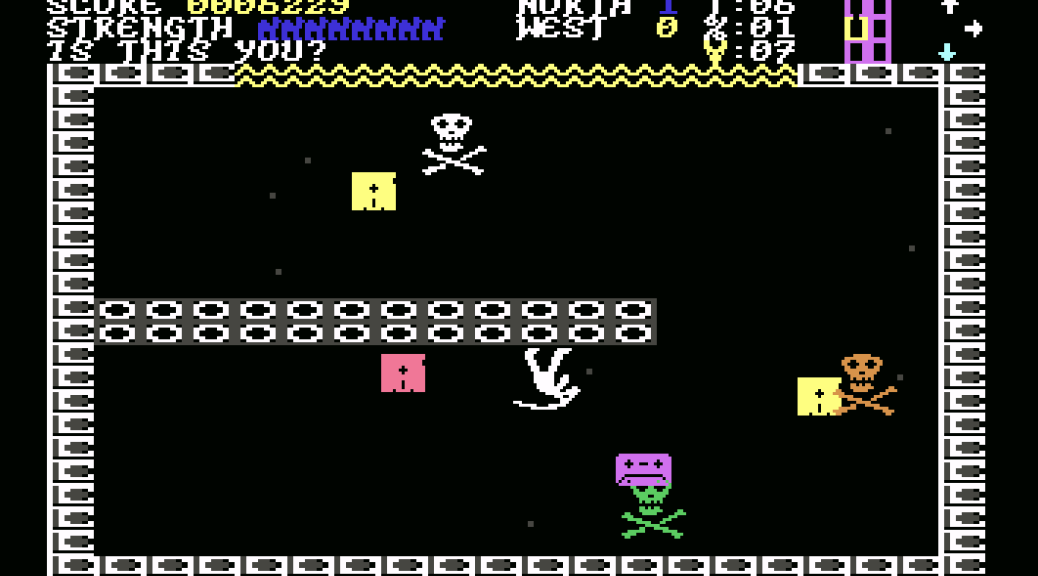
Ancipital, Commodore 64
Jeff Minter‘s seminal shooter Ancipital features psychedelic sprite-based visuals and fast blasting/running/jumping action.

Paradroid Metal Edition, Commodore 64
Arguably the best version of Andrew Braybrook‘s timeless Commodore 64 classic, Paradroid.
Paradroid Metal Edition (aka Heavy Metal Paradroid) is a suped-up version of Paradroid with faster scrolling and more responsive controls.

International Karate Plus, Commodore 64
Archer Maclean’s IK+ (International Karate Plus) ushered in a new wave of fighting game on the Commodore 64, back in 1987.

Nebulus, Commodore 64
John Phillips‘ fabulous Nebulus attracted rave reviews when it was first released in 1987, and – to be honest – it still gathers rave reviews now. The Commodore 64 original in particular.

Lunar Jetman, ZX Spectrum
Another hugely memorable Ultimate game (and the official sequel to the hit game Jet Pac), Lunar Jetman was first released in 1983 for the ZX Spectrum.
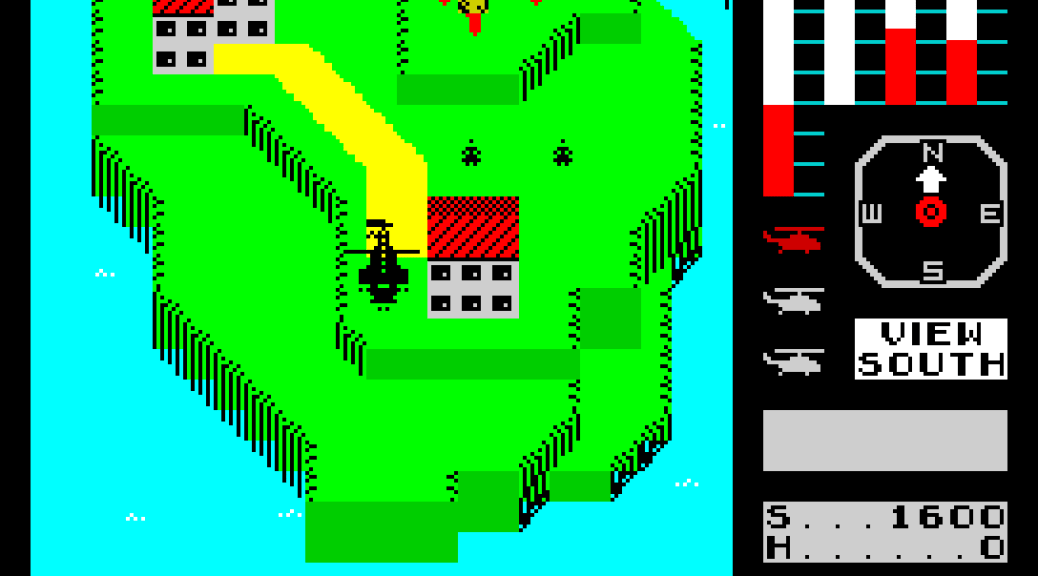
Cyclone, ZX Spectrum
Manchester-based Vortex Software first published Cyclone on the ZX Spectrum in 1985.
A colourful helicopter action game, Cyclone was created by Costa Panayi – an early pioneer of ZX Spectrum games design, and an alumni of The University of Salford – and is a challenging race to pick up crates from a series of islands that are caught in the grip of a powerful weather system.
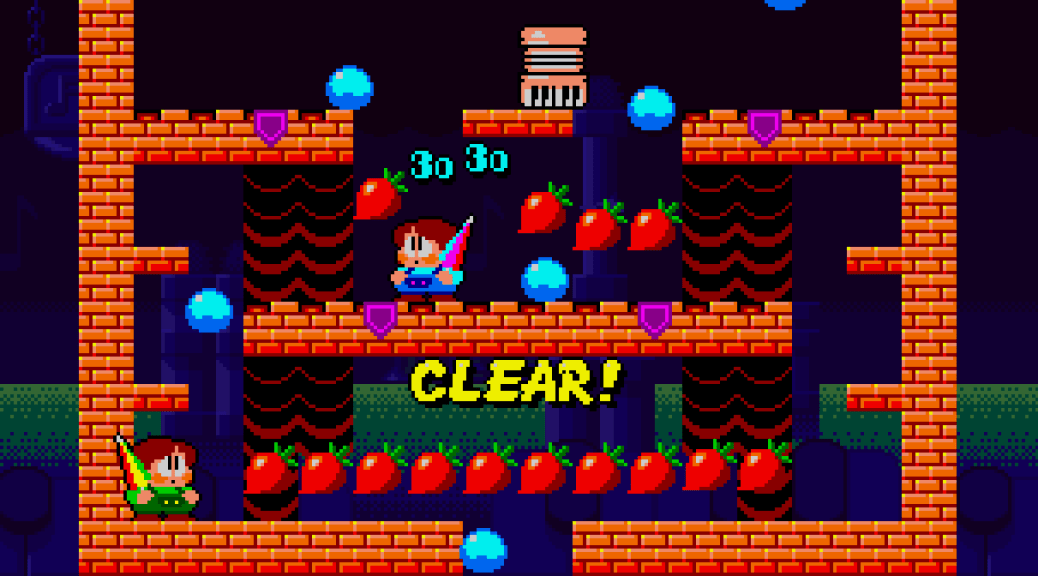
Parasol Stars, Amiga
Parasol Stars is a wonderful sequel to Taito‘s classic Rainbow Islands, although it was never released in arcades.
The game was initially developed exclusively for the NEC PC Engine in 1991, and later released on other formats by Ocean Software. The brilliant Amiga version was released in 1992 and remains a firm favourite among Bubble Bobble series fans.

