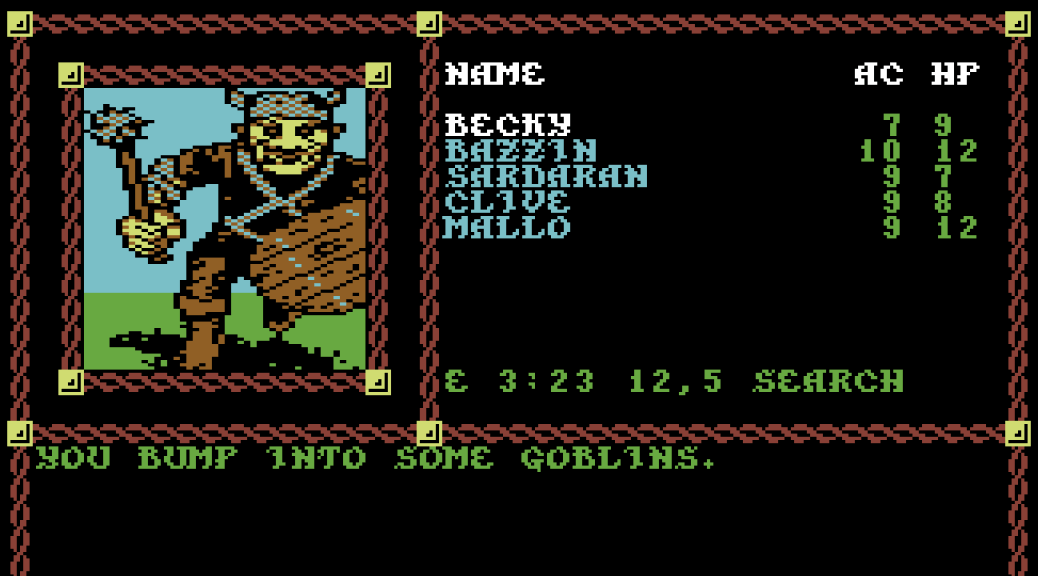
Developed by Strategic Simulations, Inc., Pool of Radiance is a ground-breaking AD&D RPG for 8-bit computers. It was first released in June 1988, in America, and later published in Europe by US Gold, and in Japan by Pony Canyon.
Tag Archives: weapons
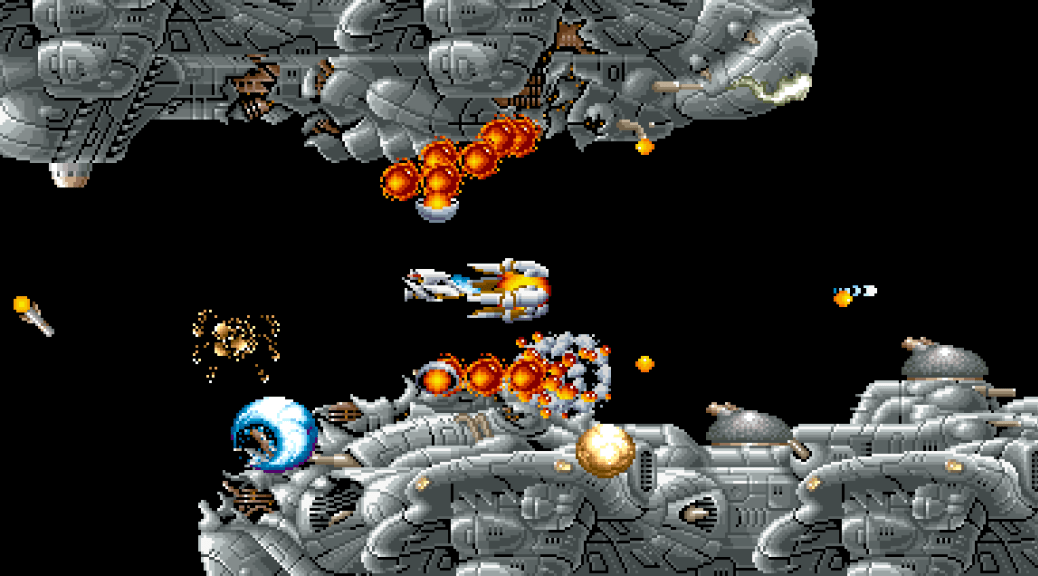
R-Type II, Arcade
Irem‘s 1989 sequel to their hit shooter, R-Type, is definitely an upgrade to the series, rather than a recycling of parts of the first game (as the other supposed ‘sequels’ turned out to be).
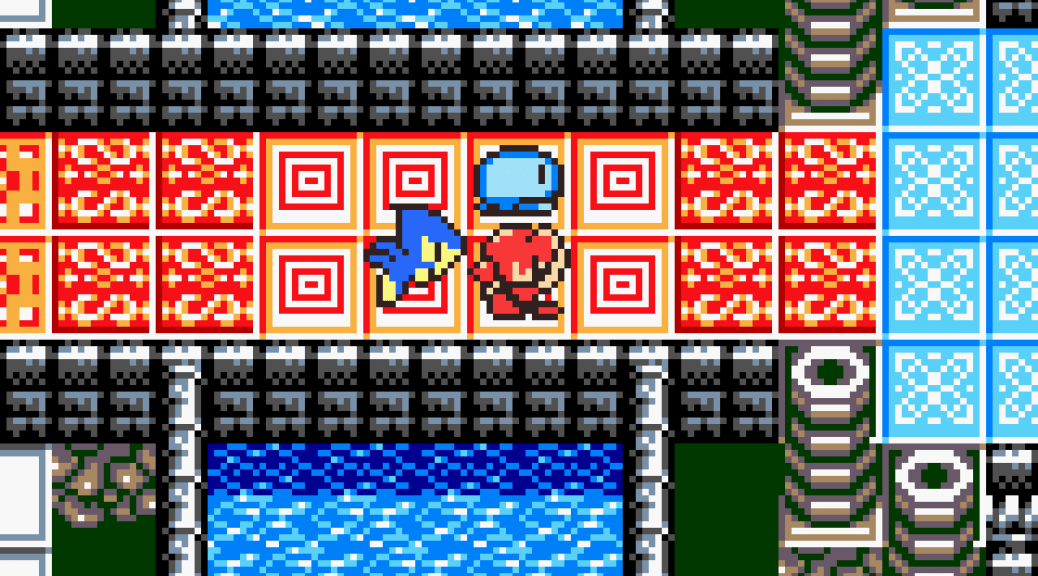
Azure Dreams, Game Boy Color
The PlayStation version of Konami‘s Azure Dreams is an excellent level-grinder, and this Game Boy Color version is also very good, but differs somewhat from the original.
It still takes place in the provincial city of Monsbaiya, and you are still a Monster Hunter. Whereas the PlayStation version uses a 3D isometric viewpoint, this one instead goes for an overhead, 2D view. With titchy characters and intricately-detailed locations rendered as flat pixel art.

Azure Dreams, PlayStation
Developed by Konami Computer Entertainment Tokyo (KCET) and published by Konami in 1997, in Japan, and in 1998 in North America and Europe, Azure Dreams is a ‘Roguelike’ Role-Playing Game about a young boy who wants to become a Monster Hunter.

Slap Fight, Commodore 64
A Commodore 64 conversion of the 1986 arcade game by Toaplan, published by Imagine in 1987.
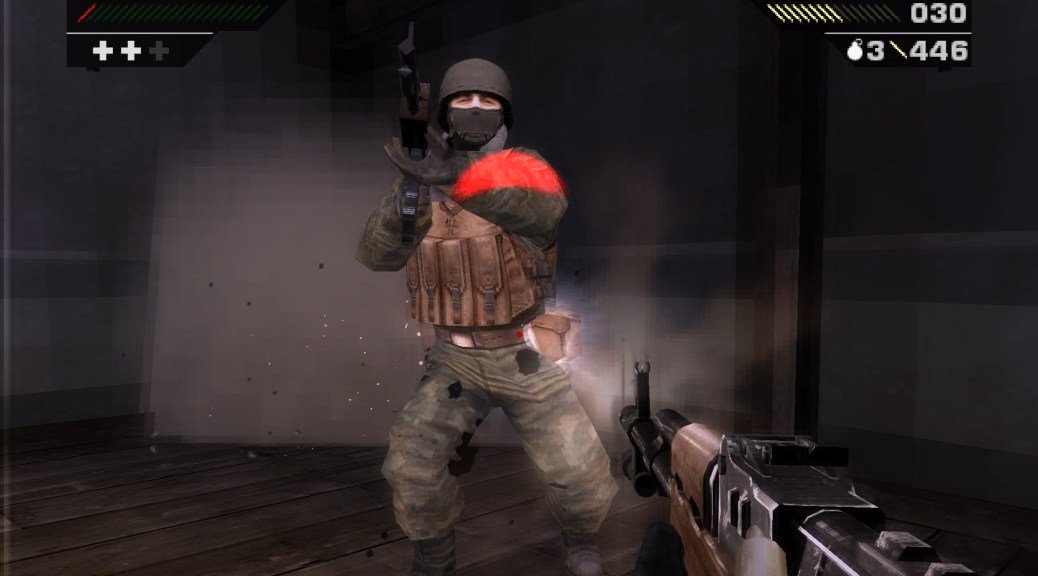
Black, PlayStation 2
Developed by Criterion Games and published by Electronic Arts in 2006, Black is a console-exclusive First-Person Shooter set in contemporary Ingushetia and Chechnya, Russia. You play as a member of a CIA “Black Ops” unit, embarking on various missions.
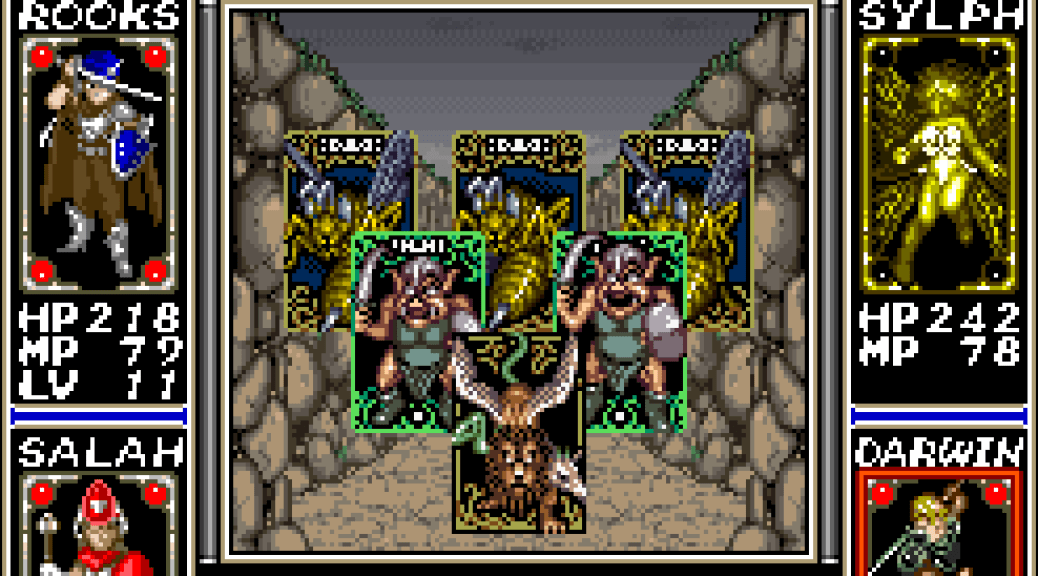
Arcana, Super Nintendo
Developed and published by HAL Laboratory, Arcana is a fantasy Role-Playing Game that mixes card-battling with first-person dungeoneering, and it is a reasonably enjoyable experience overall. Also known as “Card Master” in Japan, Arcana was first published in 1992, exclusively for the Super Nintendo.
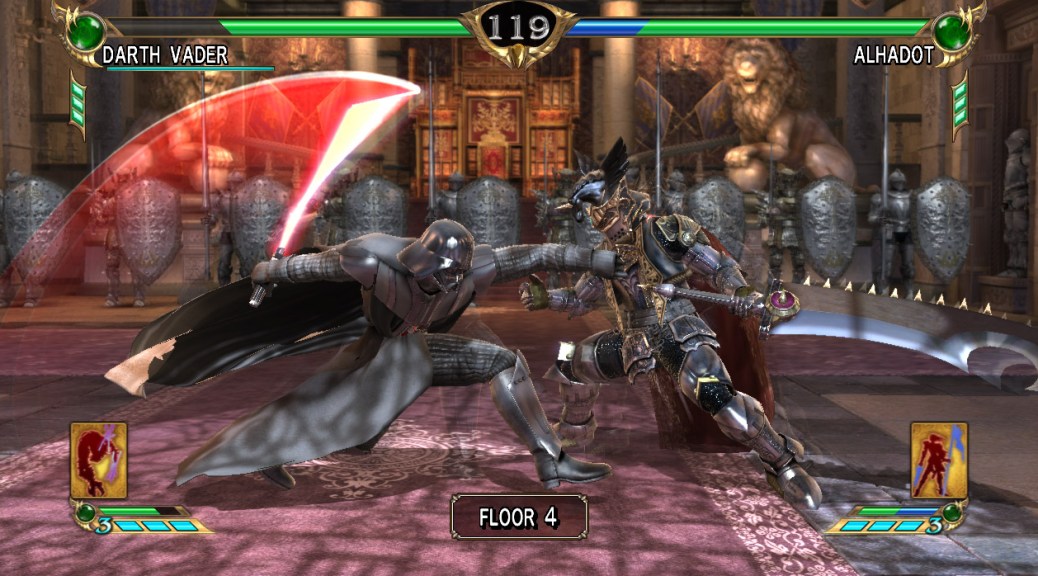
Soulcalibur IV, PlayStation 3
The fourth Soulcalibur game was once again developed by Project Soul for Namco. It was first released in 2008 for the PS3 and XBox 360, through Namco Bandai Games.
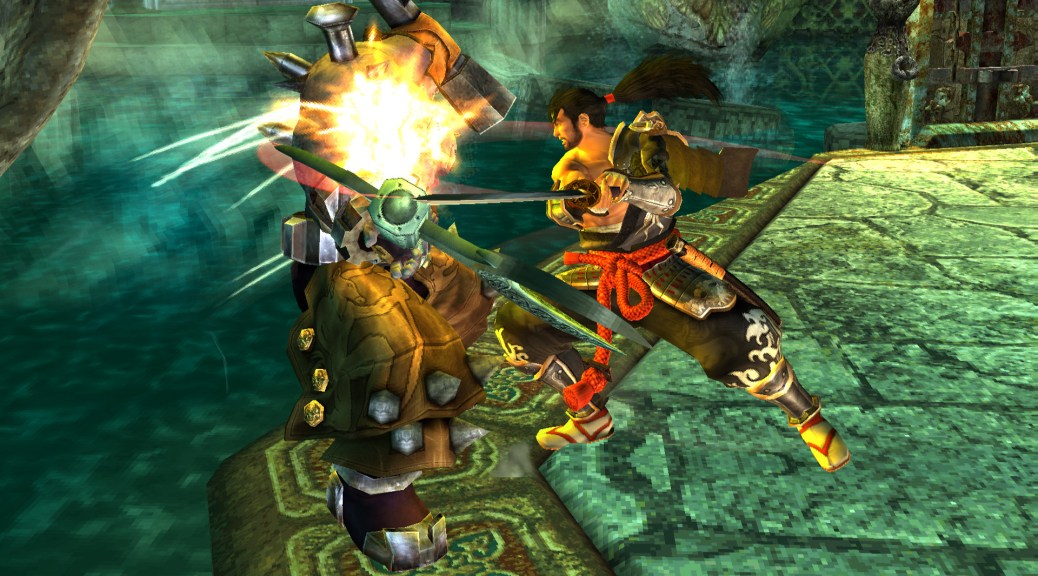
Soulcalibur III, PlayStation 2
The third instalment in the Soulcalibur series was developed by Project Soul and published by Namco in 2005. Soulcalibur III was first released for the PlayStation 2, and was later followed by an improved arcade version (it was actually the last Soulcalibur game to receive an arcade release).
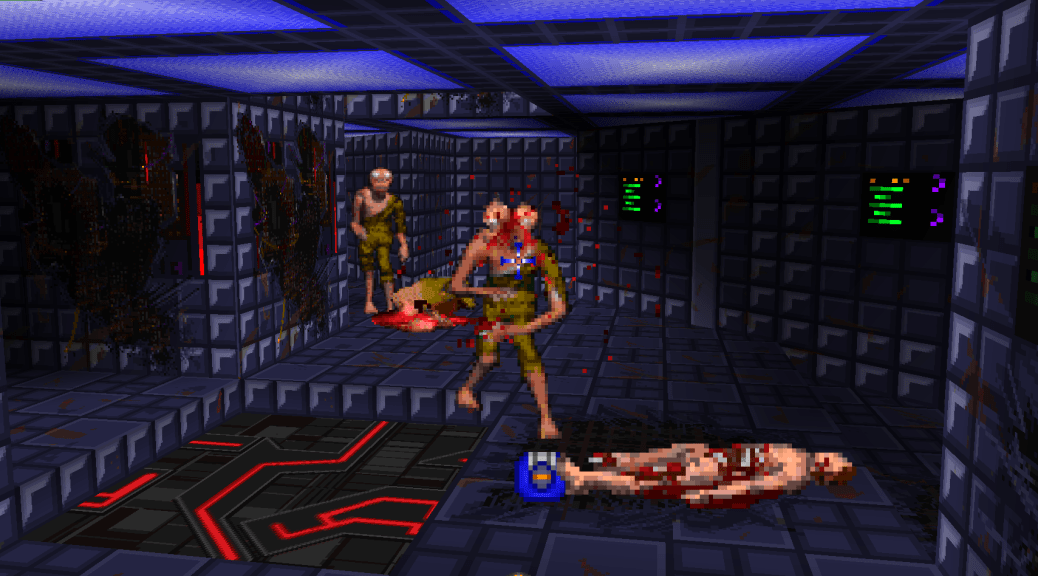
System Shock: Enhanced Edition, PC
This enhanced edition of the classic sci-fi RPG, System Shock, was developed by Nightdive Studios and first released in 2023. What Nightdive has done is bring the original 1994 classic into the modern age, with high definition graphics and a boatload of quality-of-life features.

