
Syndicate is a classic isometric action game with point-and-click gameplay. It was developed by Bullfrog Productions and published by Electronic Arts in 1993.
Tag Archives: influential

Rogue, Atari 8-bit
I was hoping that the Atari 8-bit version of Rogue might be better than the other 8-bit versions (or at least a balance between the awful C64 version and the half-decent Amstrad version), but I was hoping for too much – especially as it’s another Mastertronic “special” (ie. a good example of a publisher not giving a sh*t about what they released).
Rogue, Amstrad CPC
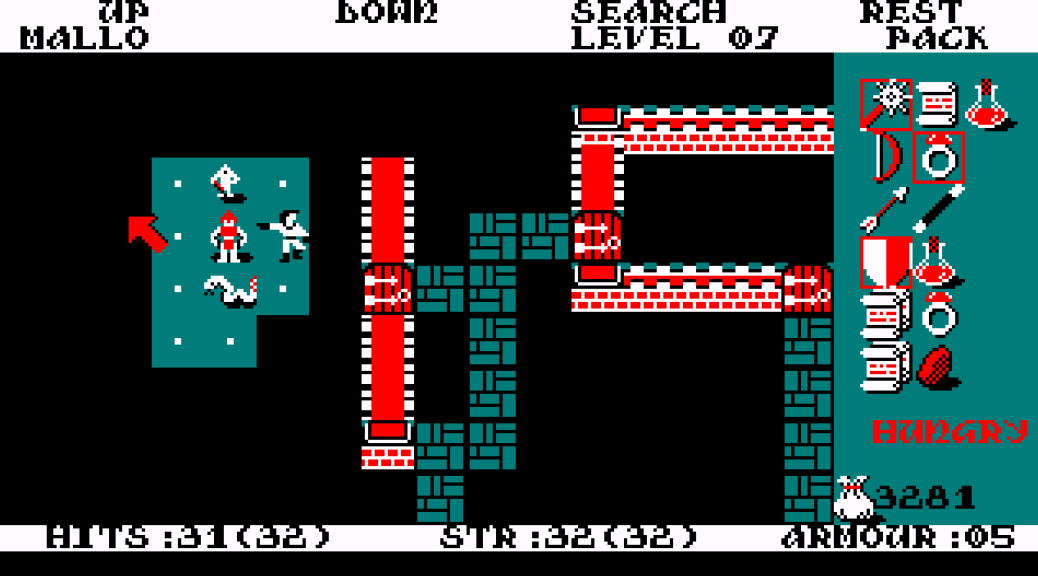
The Amstrad CPC version of Rogue is arguably the best of the 8-bit conversions from Mastertronic, although it’s not without its problems. It was developed by Icon Design and first published in 1988.

Rogue, ZX Spectrum
Rogue on the ZX Spectrum was developed by Icon Design and published by Mastertronic Added Diminsion in 1988. And it’s a pretty poor conversion of the classic dungeon-crawler.

Rogue, Commodore 64
The Commodore 64 conversion of Rogue was developed by Icon Design and published by Mastertronic in 1988, and it is a bugged, incomplete, and un-finishable version of the game that demonstrates the utter contempt for which Mastertronic held for both the game, and for gamers who paid money for it.

Rogue, Atari ST
The Atari ST version of the classic dungeon-crawler, Rogue, is arguably the best conversion of the game out there. It was developed by A.I. Design and published by Epyx in 1986 and combines the best bits from the original with new graphics and a few new features of its own.
Rogue, PC
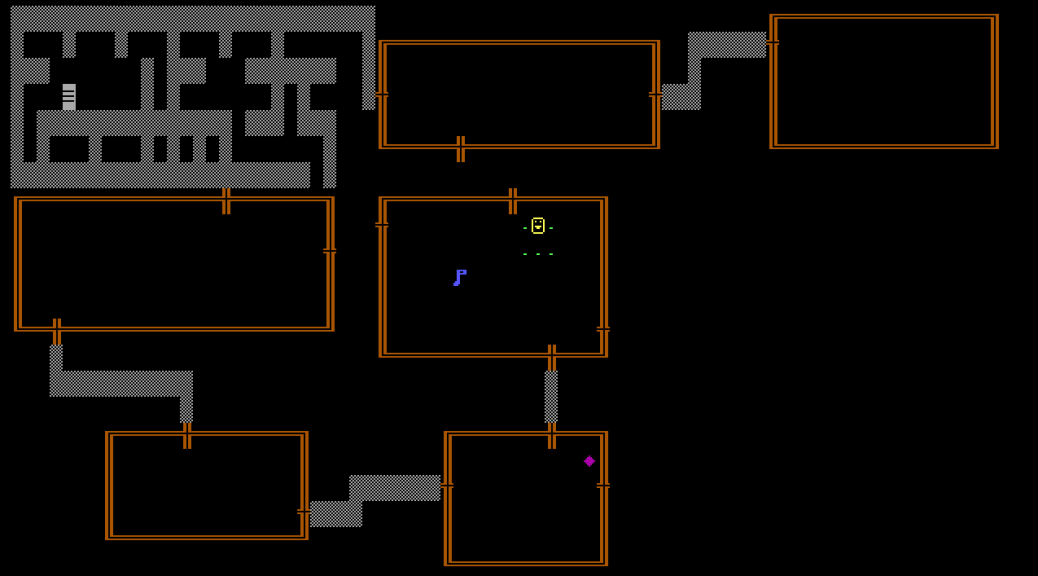
Rogue is an influential dungeon-crawling Role-Playing Game originally created by Michael Toy and Glenn Wichman (with later contributions by Ken Arnold) for Unix-based mainframes in 1980.
The original version of Rogue used the ASCII character set (text symbols) to create the world, and that is what you can see here in this first commercial version of game, published by Epyx in 1985.

Micronaut One, ZX Spectrum
Micronaut One is another interesting game from Tau Ceti creator Pete Cooke. Mr. Cooke was known for making innovative, unusual, and technically-impressive games for the ZX Spectrum that were different to the norm. This one was published by Nexus in 1987 and involves travelling down 3D corridors and shooting weird alien insects that are infesting a biocomputer.
Tomb Raider, PC
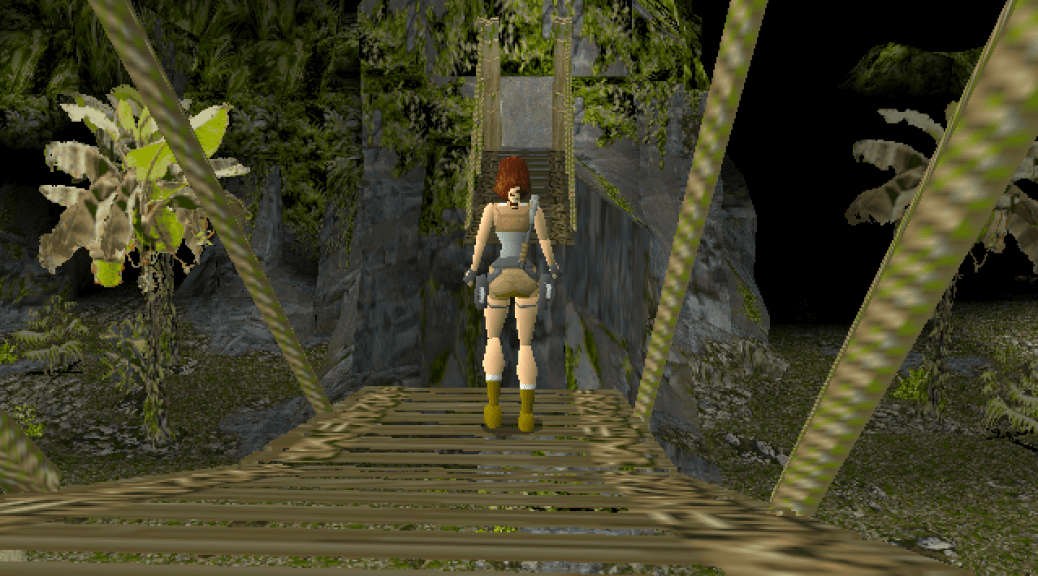
The classic first adventure in the Tomb Raider series was developed by Core Design and published by Eidos Interactive – initially for the Sega Saturn – in 1996. Then PC MS-DOS and PlayStation versions followed soon after.
The game was a smash hit on the PlayStation and sold well on the PC too, making it something of a breakthrough title for Core Design, whose stature was greatly elevated with the success of the Tomb Raider series.

Boulder Dash Special
Boulder Dash is a very special game. It is a simple idea, with cute graphics and devious gameplay that combine to make an addictive combination of arcade-style action, survival and puzzle-solving.
 The King of Grabs