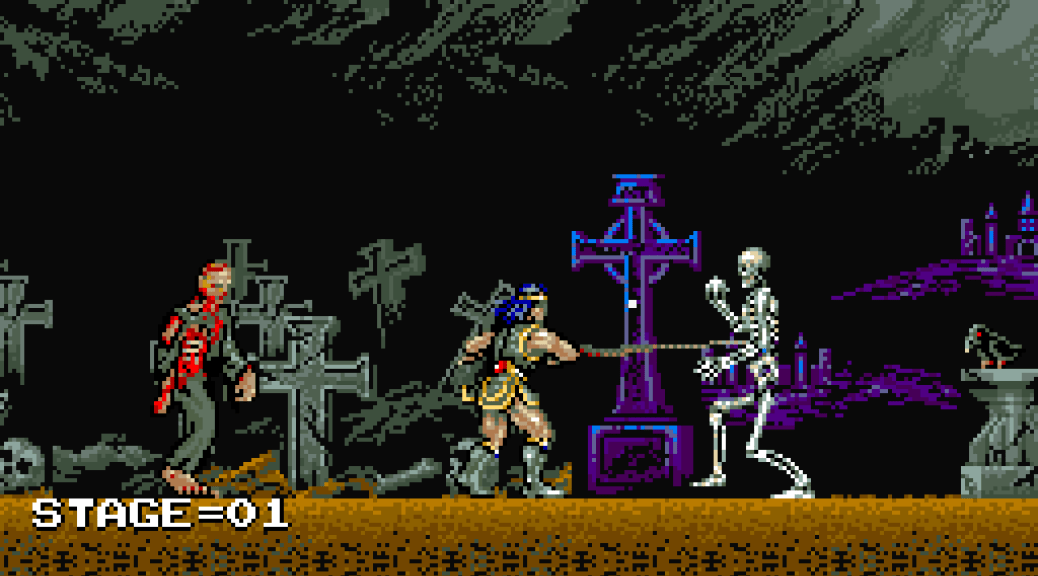
Haunted Castle is an obscure Castlevania arcade game, developed by Konami and first released in 1988. Until recently, I’d never seen it before, and playing it now I have to say that it is pretty unsophisticated for a late Eighties arcade game, and it pales into insignificance compared to other Castlevania games, like Super Castlevania IV or Castlevania: Symphony of the Night. It’s also insanely difficult. Maybe unfairly so.
Tag Archives: castles

Fire Emblem: The Sacred Stones, Game Boy Advance
Fire Emblem: The Sacred Stones is a tactical Role-Playing Game, developed by Intelligent Systems and first published by Nintendo for the Game Boy Advance in 2004. It is the eighth entry in the Fire Emblem series and the second to be released outside of Japan.
Continue reading Fire Emblem: The Sacred Stones, Game Boy Advance
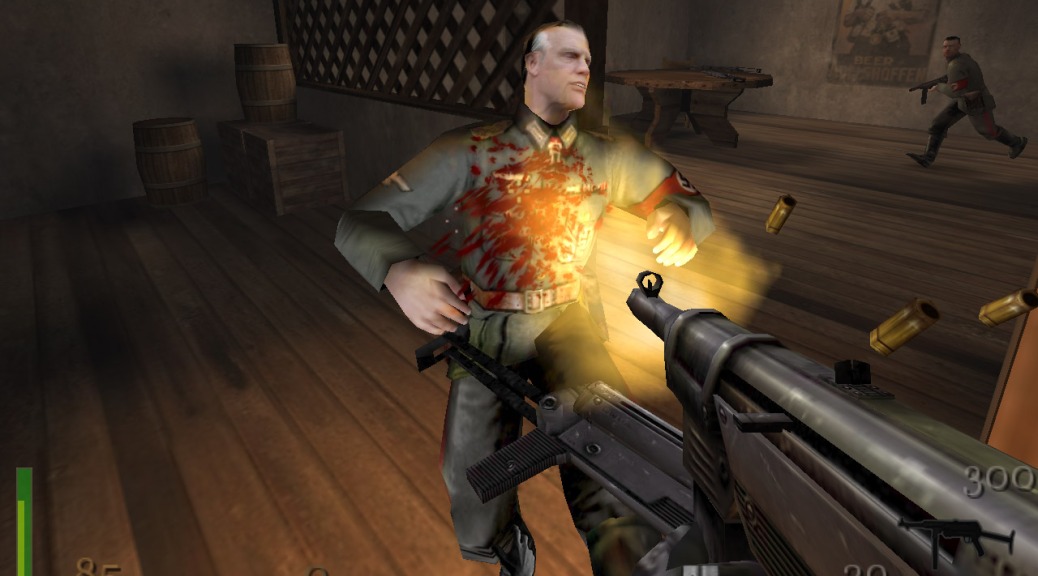
Return to Castle Wolfenstein, PC
Return to Castle Wolfenstein is a re-imagining of id Software‘s classic Wolfenstein 3D, developed by Gray Matter Studios and first published by Activision in 2001. It uses the id Tech 3 engine (as created for Quake III) and has a single-player campaign, as well as a multiplayer component where players are split into Allies and Axis.

Ultima IX: Ascension, PC
Ultima IX: Ascension is the ninth and final instalment of the core Ultima series and was developed by Origin Systems and published for Windows-based PCs by Electronic Arts in 1999. It was the first Ultima game to use polygonal rendering in a full 3D environment.
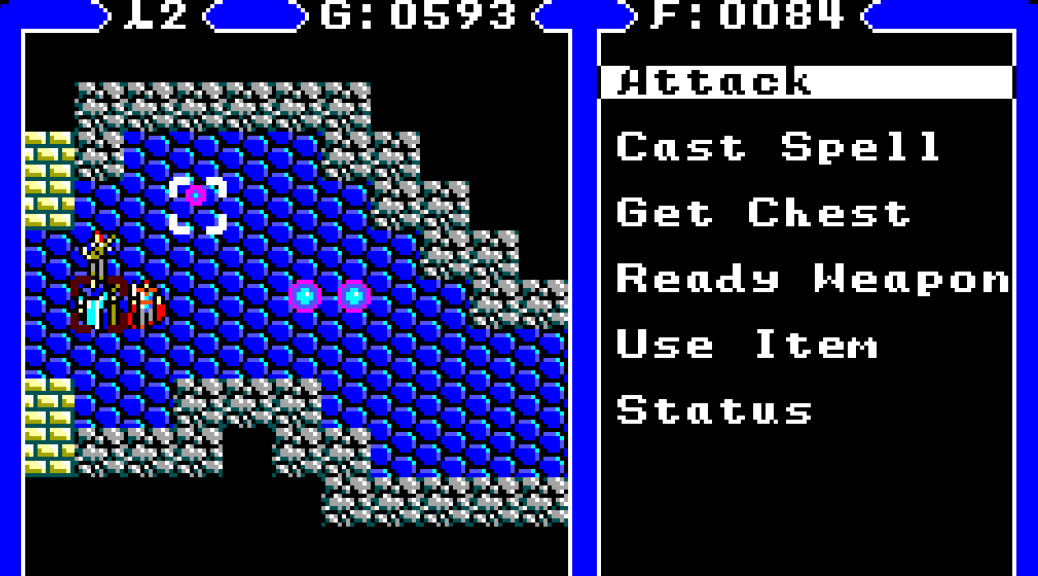
Ultima IV: Quest of the Avatar, Sega Master System
The Sega Master System version of Ultima IV was ported and published by Sega in 1990. It is a faithful adaptation of Richard Garriott‘s classic RPG that uses a menu system instead of keyboard commands, and it plays very well.
Continue reading Ultima IV: Quest of the Avatar, Sega Master System

Ultima: Quest of the Avatar, NES/Famicom
Ultima: Quest of the Avatar on the NES/Famicom was developed by FCI and published by Pony Canyon in 1990. It is the most different Ultima IV port available – in relation to the original – and has been altered to play more like a classic JRPG. Which is not a bad thing. In fact: some may even prefer this over the original.
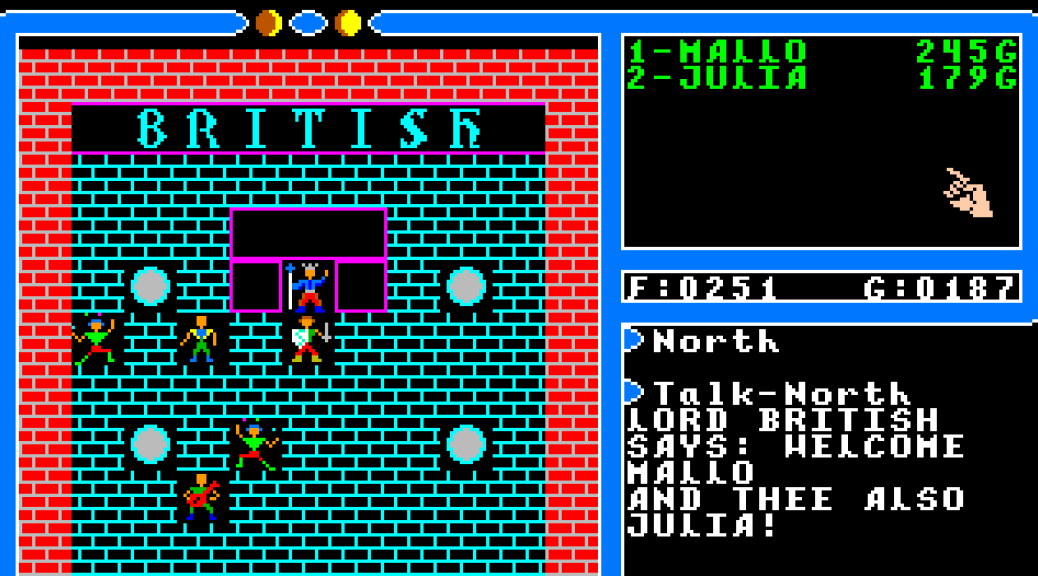
Ultima IV: Quest of the Avatar, Amiga
The Amiga version of Ultima IV: Quest of the Avatar was ported by Bob Hardy and first published by Origin Systems in 1988. Hardy did a sterling job of converting the 16-bit versions of Ultima III, and Ultima IV is very similar to those, but arguably even better.

Ultima IV: Quest of the Avatar, Atari ST
The Atari ST version of Richard Garriott‘s classic Ultima IV: Quest of the Avatar was ported by Bob Hardy (the same guy who converted Ultima III to the ST and Amiga) and first published by Origin Systems in 1987. It is an excellent conversion of a brilliant game and is arguably the best RPG on the ST (barring the mighty Dungeon Master).
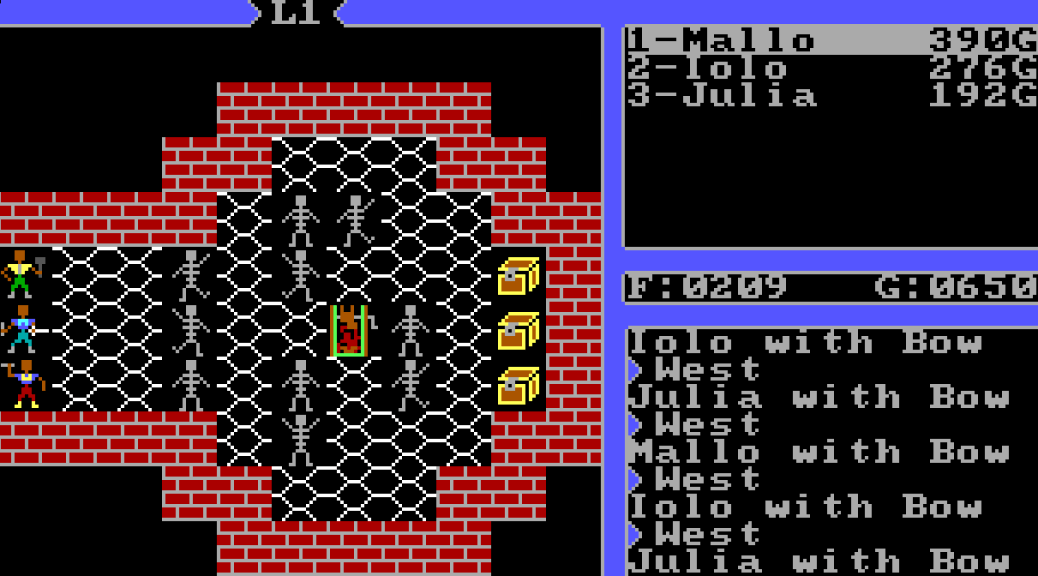
Ultima IV: Quest of the Avatar, PC
The MS-DOS version of Ultima IV: Quest of the Avatar was ported by James Van Artsdalen and first published on the PC by Origin Systems in 1987. It uses 16-colour EGA graphics, which is at least a step up from the previous three (un-patched) Ultimas, which used four-colour CGA graphics. It’s also currently – at the time of writing – available individually FOR FREE on GOG.com, or as a part of a paid-for package with episodes five and six. And it’s well worth playing, even today – some 35 years after the game’s original release. Which demonstrates just how good it is.

Ultima IV: Quest of the Avatar, Atari 8-Bit
Ultima IV: Quest of the Avatar on the Atari 8-bit was ported by David Lubar (who created the excellent Pastfinder) and first published by Origin Systems in 1986. It is an excellent conversion of a brilliant game and is arguably the best Role-Playing Game on Atari‘s 8-bit home computer.
Continue reading Ultima IV: Quest of the Avatar, Atari 8-Bit

