
The Amstrad CPC version of Ghosts ‘N Goblins was developed and published by Elite Systems in 1986, and it looks pretty rough, and seems to be missing a good chunk of the original game.
Tag Archives: armour

Ghosts ‘N Goblins, Amiga
It has to be said that the Amiga port of Capcom‘s classic Ghosts ‘N Goblins is a damn sight better than the Atari ST version, or any of the other conversions from the 16-bit era. It was developed and published by Elite Systems in 1990 and is as close to the arcade parent as is possible on the Amiga.

Ghosts ‘N Goblins, Atari ST
The Atari ST version of Ghosts ‘N Goblins was programmed by Michael Delves, with graphics by Zippo Games, and was published by Elite Systems in 1990. It is a somewhat ‘funky’ port, with cartoony graphics and gameplay that is easier than the arcade parent.

Ghosts ‘N Goblins, Game Boy Color
The Game Boy Color version of Ghosts ‘N Goblins was developed by Digital Eclipse Software and is very similar to – if not a direct port of – the NES/Famicom version. It was first released in 1999 by Capcom, and it looks like it might only have been released in North America.

Ghosts ‘N Goblins, ZX Spectrum
The ZX Spectrum version of Capcom‘s arcade classic, Ghosts ‘N Goblins, was first released by Elite Systems in 1986.
There is some confusion about who programmed the game. The title screen says that it was coded by Keith Burkhill, yet some sources say that Nigel Alderton programmed it. It could be that both worked on the game, but it’s not entirely clear…
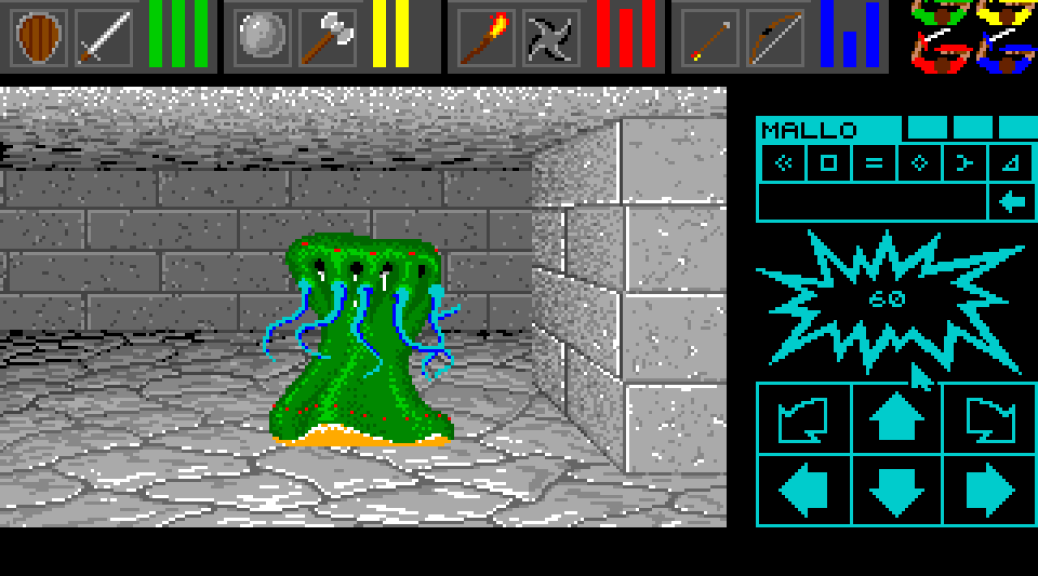
Dungeon Master, Apple IIgs
The 1989 Apple IIgs conversion of FTL‘s Dungeon Master was created by the original developers and is therefore a perfect port of this classic Role-Playing Game. The game requires a minimum of 1MB of RAM to run, like the Amiga version, and a processor running at 2.8MHz or above makes it playable at the right speed.
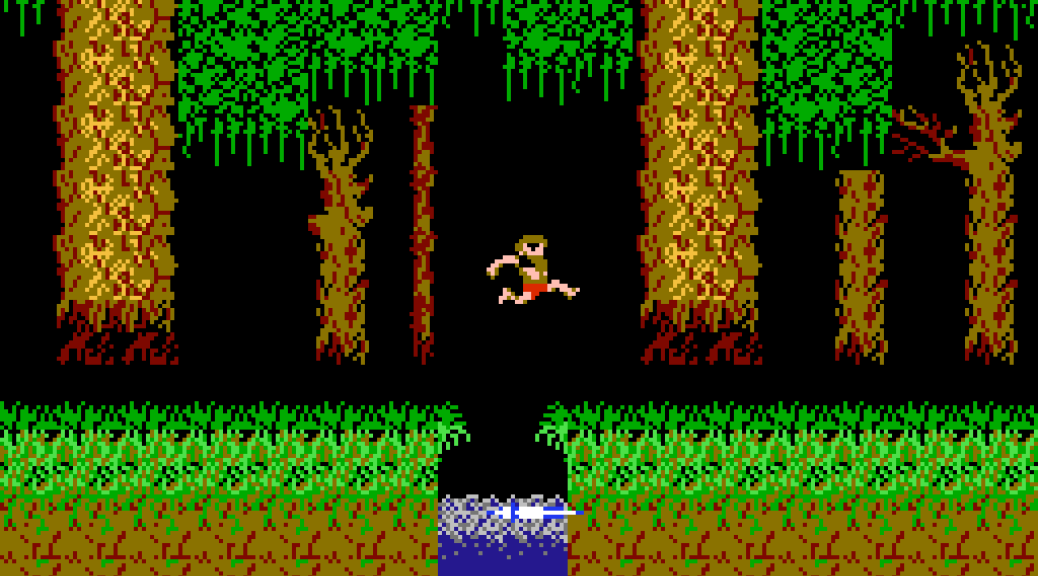
Ghosts ‘N Goblins, NES/Famicom
The NES/Famicom port of Capcom‘s classic arcade game, Ghosts ‘N Goblins, was developed by Micronics and first published in 1986. And – just like its parent – it is a very difficult game to make progress in.
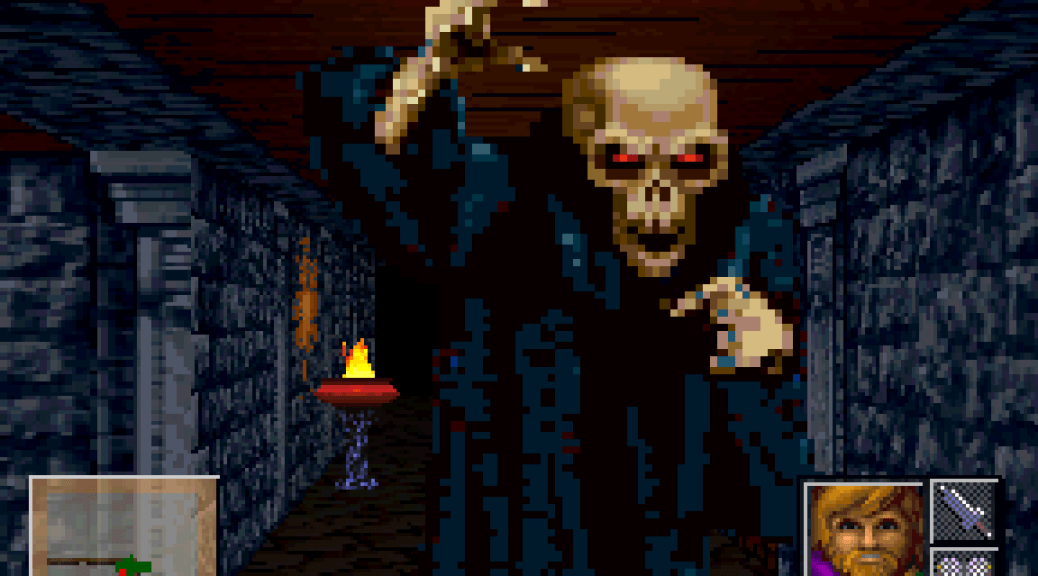
Slayer, 3DO
Based on TSR‘s Advanced Dungeons & Dragons Second Edition ruleset, Slayer is a first-person Role-Playing Game that was developed by Lion Entertainment and released exclusively for the 3DO in 1994. The game was published by SSI in North America; by Mindscape in Europe, and by T&E Soft in Japan (under the title “Lost Dungeon“).

Megami Tensei Gaiden: Last Bible III, Super Nintendo
The third game in the Last Bible series (a subseries of the Megami Tensei games), was developed by Multimedia Intelligence Transfer and published by Atlus – in Japan only – for the Super Famicom in 1995. It is a Role-Playing Game with random encounters and turn-based combat, and features the unique Megami Tensei trait of talking to monsters to try to recruit them, calling them into your party, and fusing them together to make more powerful monsters who will fight with you. This is a Japanese-only release that currently benefits from fan translations into both English and Spanish, which makes this excellent game playable to a good proportion of the Western world.
Continue reading Megami Tensei Gaiden: Last Bible III, Super Nintendo

Megami Tensei Gaiden: Last Bible II, Game Boy Color
Megami Tensei Gaiden: Last Bible II is the second game in the Last Bible series, which is a spin-off from the Megami Tensei RPG series. Last Bible II was originally released in Japan in 1993 for the original B&W Game Boy, with the Game Boy Color version coming out in 1999, some six years later. Neither version was ever officially released in the West, but there is an English fan translation for the Game Boy Color version, which is what I’m showing here.
Continue reading Megami Tensei Gaiden: Last Bible II, Game Boy Color

