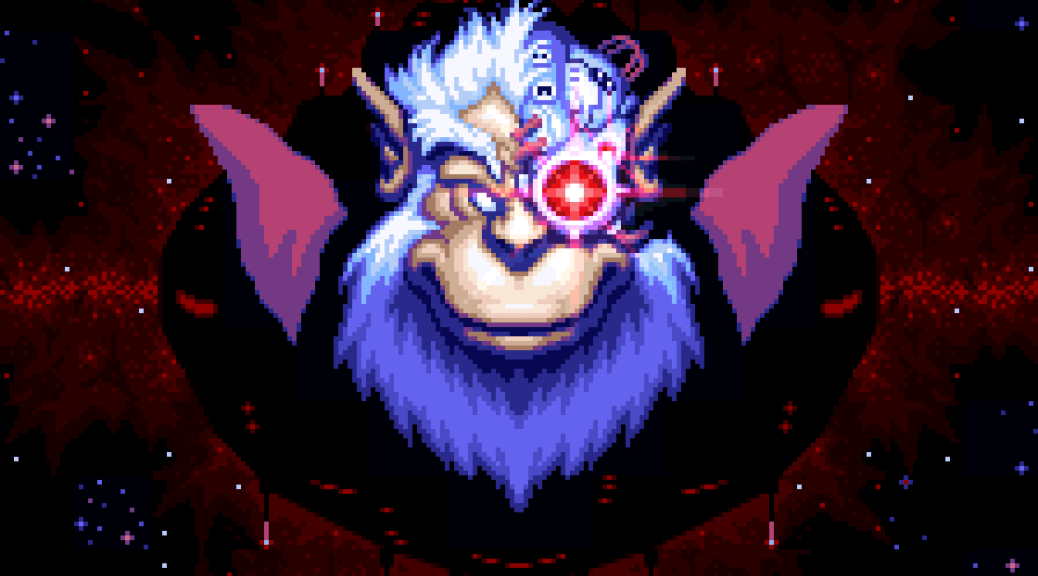
The sequel to the classic Super Nintendo 3D shooter, Star Fox, Star Fox 2 is infamous because it was actually cancelled before it was completed, way back in 1995, but was finally finished and released in 2017 on the SNES Classic Edition retro console.
Tag Archives: 3D graphics
Three-dimensional graphics, usually constructed of polygons. Not two-dimensional.

Deep Fear, Sega Saturn
Deep Fear is a Saturn exclusive survival horror game published by Sega in 1998. It’s basically a shameless Resident Evil clone, and someone obviously thought: “let’s cross Resident Evil with The Abyss” and came up with this underwater adventure.
You play an emergency chief on an underwater fuelling base and must investigate why a submarine has crashed into part of the rig, and why some people are suddenly transforming into disgusting monsters and attacking the crew.

Fade to Black, PlayStation
Fade To Black is a 3D action adventure game developed by Delphine Software and published for the PlayStation by Electronic Arts in 1996 (the MS-DOS version came out earlier, in 1995). It is the sequel to the classic 1992 platform game, Flashback.

Guile, Archimedes
The best way to describe Guile on the Archimedes is: it’s a lot like David Braben‘s Zarch (aka Virus), but set in tunnels. And if you’ve ever played Zarch before then you’ll know that that means that this game is gonna be difficult…
The box describes Guile as: “a unique three-dimensional flight simulator set in a dungeon adventure“, which is sure to have any rational gamer scratching their head in confusion.

Micronaut One, ZX Spectrum
Micronaut One is another interesting game from Tau Ceti creator Pete Cooke. Mr. Cooke was known for making innovative, unusual, and technically-impressive games for the ZX Spectrum that were different to the norm. This one was published by Nexus in 1987 and involves travelling down 3D corridors and shooting weird alien insects that are infesting a biocomputer.
Outlaws, PC
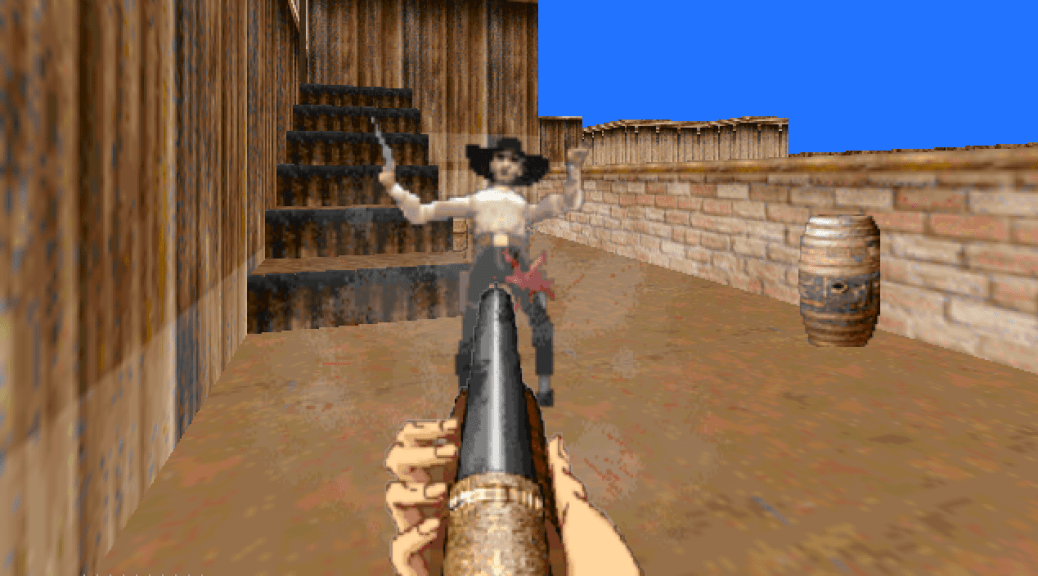
Developed and published by LucasArts in 1997, Outlaws is a first-person shoot ’em up set in the Wild West. The graphics are cartoony and the music is very much inspired by Ennio Morricone‘s classic The Good the Bad and the Ugly soundtrack, which gives it a distinct atmosphere that made it stand out against many of its peers of the time.

Carmageddon: Max Damage, PC
Carmageddon: Max Damage is an updated version of Carmageddon: Reincarnation*, which was originally funded by a Kickstarter campaign and released in 2015. Max Damage was developed by (mostly) the same team who made the original Carmageddon and was first released in 2016, and is basically the same game as Carmageddon: Reincarnation but with better graphics and a few small changes to the game structure. The levels are mostly the same, although there are some new additions and tweaks here and there.
Carmageddon TDR 2000, PC
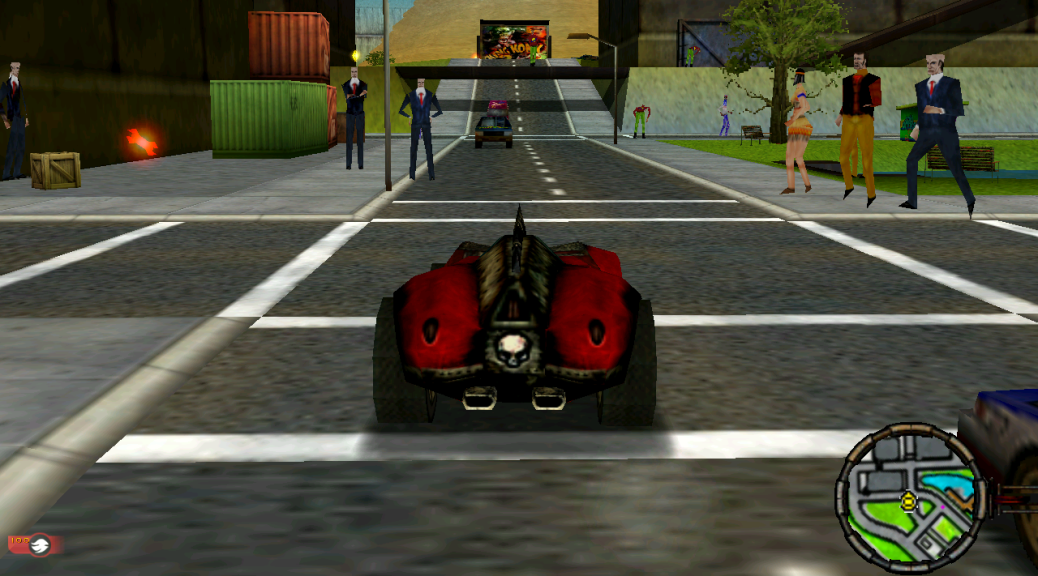
Also known as “Carmageddon: Total Destruction Racing 2000” or “Carmageddon 3: TDR 2000” in North America, Carmageddon TDR 2000 was not developed by the same team who made the first two Carmageddon games, but an Australian developer called Torus Games. As you might have worked out from the game’s title, it was originally released in the year 2000.

Carmageddon II: Carpocalypse Now, PC
Carmageddon II: Carpocalypse Now is the 1998 sequel to the excellent Carmageddon. Although it was developed by the same team who made the first game (Stainless Software), and although it’s still fun to play to a certain degree, in my opinion it’s not a patch on the original.
Carmageddon, PC
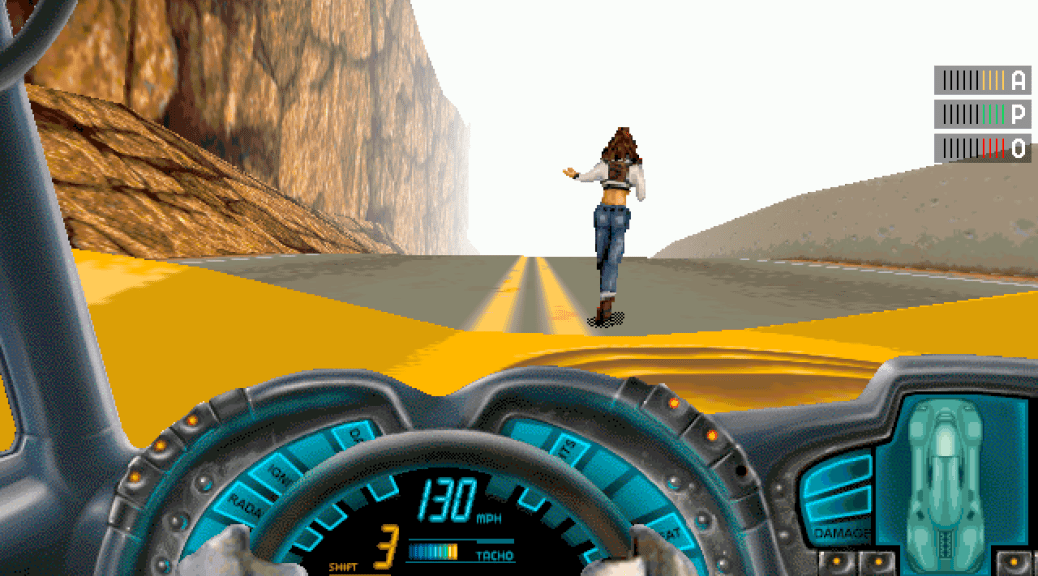
Carmageddon is a notorious vehicular racing/combat game developed by Stainless Software and published by Sales Curve Interactive for MS-DOS PCs in 1997.
It was originally meant to be a game based on the Mad Max series of films. When that didn’t happen the developers then bought the license to the infamous Roger Corman/Paul Bartel film Death Race 2000, but they later decided to drop it and create their own IP, eventually coming up with the title “Carmageddon“.

