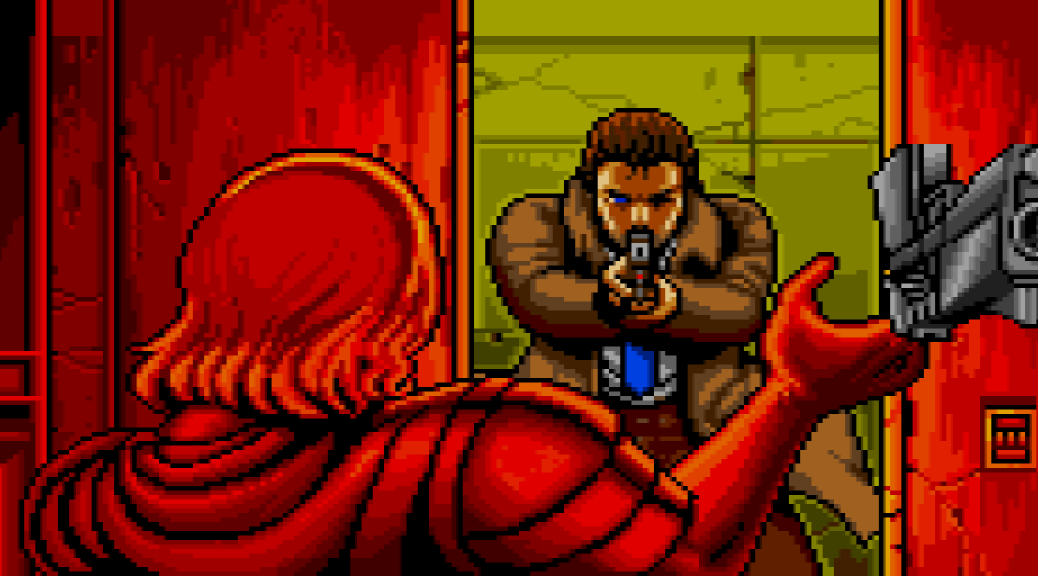
Snatcher is a cyberpunk graphic adventure game created by Hideo Koijima (and his team) and released by Konami for the Sega CD in 1988. It is held in high regard by those who’ve played it.
Tag Archives: 2D graphics
Flat, two-dimensional graphics, usually constructed of pixels. Not three-dimensional.
Normality, PC
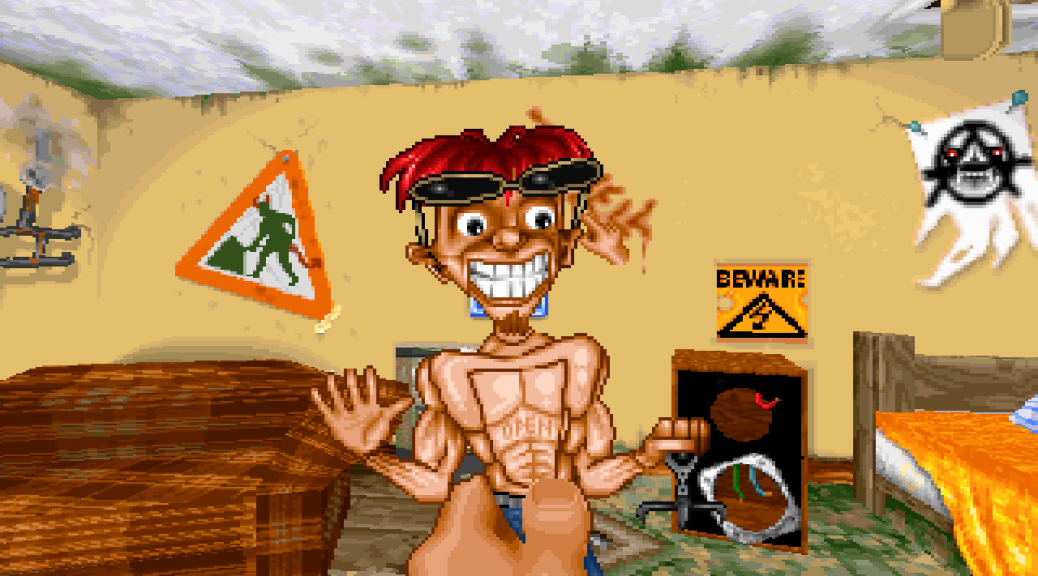
A weird mix of 3D exploration and point-and-click adventure, Normality was developed and published by Gremlin Interactive in 1996.
In some respects Normality is the predecessor to Realms of the Haunting – a 1997 release from Gremlin. Both games use the same game engine, and gameplay-wise they also share a lot of similarities.

Lemmings, Amiga
DMA Design‘s puzzle game, Lemmings, was a big hit with gamers when it was first released in 1991. The simple-but-compulsive gameplay and cute graphics won over everyone who played it.

Sonic 3D Blast, Megadrive/Genesis
The last Sonic game released for the Megadrive/Genesis; co-developed by British firm Traveller’s Tales and Sega‘s Japanese talent, and sold on cartridge in 1996.

Sonic & Knuckles, Megadrive/Genesis
Developed by Sega and released for the Megadrive/Genesis in 1994, Sonic & Knuckles is a spin-off from the main Sonic series and the sequel to Sonic 3, this time with Knuckles the Echidna as your sidekick.

Sonic the Hedgehog 3, Megadrive/Genesis
Sonic the Hedgehog and Miles “Tails” Prower return in 1994‘s Sonic the Hedgehog 3 – a game with a new graphical style, and a – thankfully – fixed two-player mode.

Sonic CD, Sega CD
Released exclusively for the Sega CD in 1993, Sonic CD is arguably the best game in the entire Sonic the Hedgehog series. It came out between Sonic 2 and Sonic 3.

Sonic Spinball, Megadrive/Genesis
Developed by Sega Technical Institute and released for the Megadrive/Genesis in 1993, Sonic Spinball is a pinball game featuring Sega‘s famous mascot.
The game took some criticism upon release, although I think it’s a very good game that is still fun to play now. If I had any criticisms it would be that the game is quite hard – at least getting to the later stages – but overall has a satisfying feel to it.

Sonic the Hedgehog 2, Megadrive/Genesis
Released in 1992, one year after the classic Sonic the Hedgehog, Sonic the Hedgehog 2‘s big contribution to the series was the introduction of two-player games of Sonic. It was also a Japanese/American co-production this time, by Sega Technical Institute.
Sonic the Hedgehog, Megadrive/Genesis
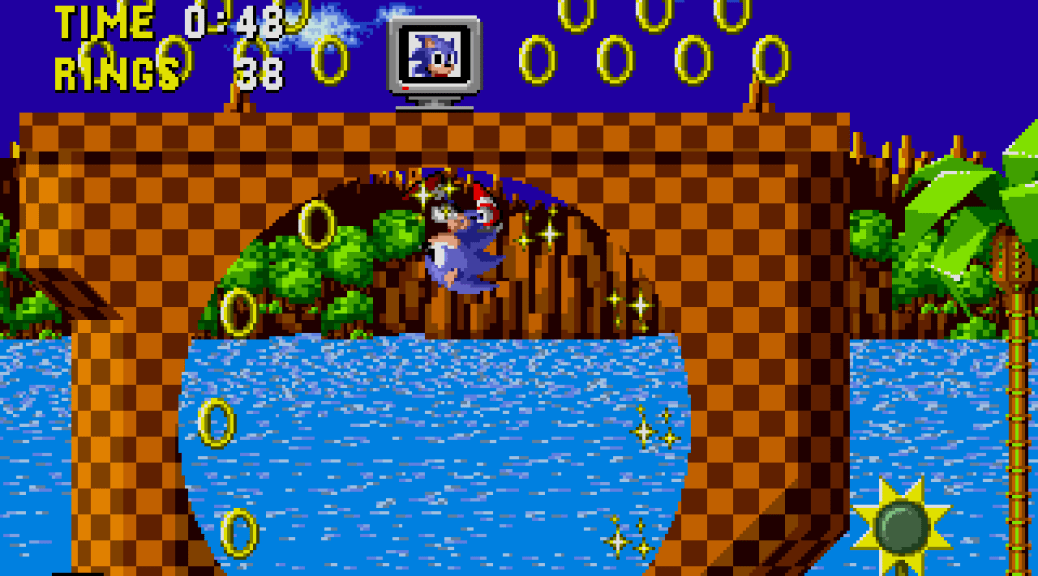
When Sega bigwigs asked their talented designers to create a video game character that would become the company mascot, the designers rubbed their chins for a while, then came up with a blue hedgehog, called Sonic.
In fact, the designers were so enamoured with their new creation that they changed their name to Sonic Team as they developed the game.
 The King of Grabs