
The sequel to Realtime Software‘s brilliant Starstrike 3D, Starstrike II is another excellent and groundbreaking first-person space shooter, only this time with impressive “filled” polygons, instead of the simpler wireframe graphics of the original.
Tag Archives: influential

Starstrike 3D, ZX Spectrum
More than just a clone of Atari‘s arcade classic Star Wars, Starstrike 3D (or 3D Starstrike, whatever you prefer) is a wireframe, shooter masterpiece on the humble ZX Spectrum that really set the gaming world alight, back in the early Eighties.
Dark Side, ZX Spectrum
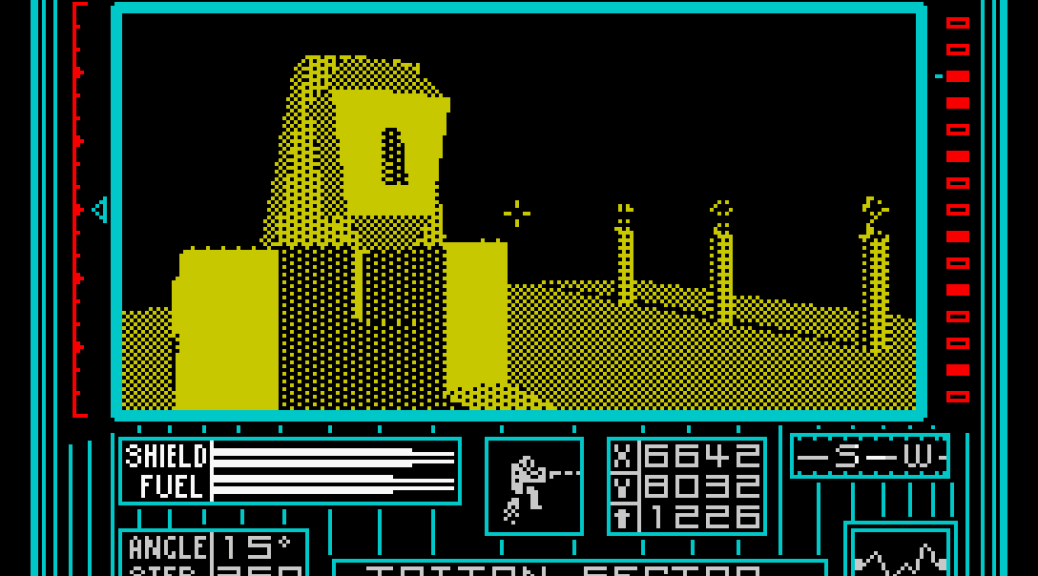
Dark Side is the 1988 sequel to Driller is a very early example of a first-person, full 3D, explorable world, that can be viewed from almost any angle.
The game engine – Freescape – has gone on to become famous as one of the earliest examples of its type, and one that was hugely influential on every 3D exploration game that followed.
Wizard’s Lair, ZX Spectrum
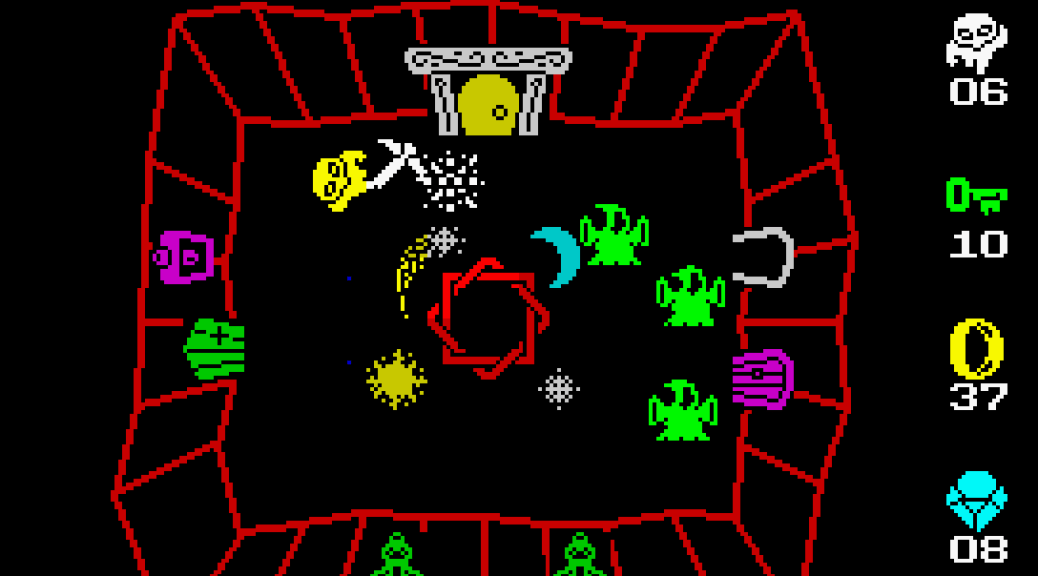
Steve Crow‘s colourful and fun Wizard’s Lair is clearly a tribute to the brilliant Ultimate Play The Game title Atic Atac. It has the same overhead viewpoint, similar gameplay and graphics and sound effects.

Stop The Express, ZX Spectrum
Stop The Express is an early ZX Spectrum game – created by Japanese developer Hudson Soft and first released in 1983 – and is a simple action game where the aim is to traverse the train carriages, from right to left, in order to reach the engine and to stop the out-of-control train.
The Witcher 3: Wild Hunt, PC
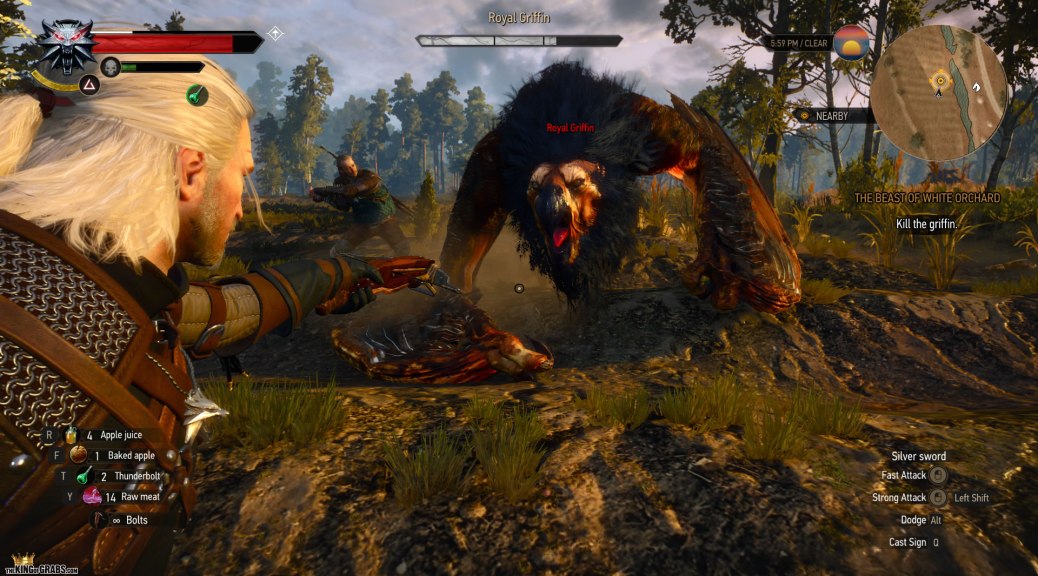
First released in 2015, CD Projekt Red‘s The Witcher 3: Wild Hunt is a third-person, open world Role-Playing Game that is based on a series of novels by the Polish author Andrzej Sapkowski.
Obviously it is the third instalment in the series (and last, according to the developers), and in it you play a monster-hunting detective badass called Geralt – a Witcher; a carrier of two swords (one steel, for killing humans, and one silver, for killing monsters); and a superhuman solver of problems with acute senses and no emotions.

Tetris, Game Boy
It would be remiss of me to celebrate the Nintendo Game Boy and not mention Tetris.
Tetris was the ‘pack-in’ game with the original black and white Game Boy, and probably helped sell a few million units in itself.

Castlevania II: Belmont’s Revenge, Game Boy
Castlevania II: Belmont’s Revenge was first released in 1991 and is the sequel to Castlevania: The Adventure on the Nintendo Game Boy.
Castlevania II makes much better use of the Game Boy‘s hardware than its predecessor, and is considered to be one of the best titles on Nintendo‘s monochrome handheld.
Continue reading Castlevania II: Belmont’s Revenge, Game Boy

Metroid Prime, GameCube
The fifth game in Nintendo‘s famous “Metroid” series, and the first to use 3D graphics, Metroid Prime follows the well-worn gameplay path of the earlier Metroid games (that is: have all your equipment; lose all your equipment; have to find all your equipment again) and again sees you playing as Samus Aran, a female ex-soldier with a powered exoskeleton.

Laser Squad, ZX Spectrum
Another Julian Gollop classic – Laser Squad was one of the earliest squad-based tactical combat video games, released in 1988, and was originally developed for the ZX Spectrum (and later converted to various other systems).
 The King of Grabs