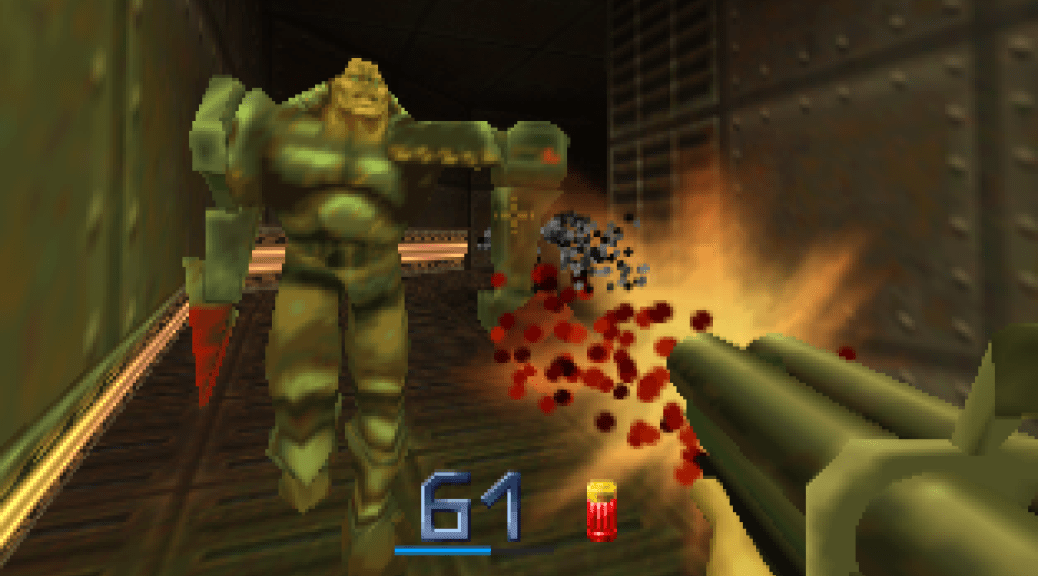
The Nintendo 64 version of id Software‘s Quake II was developed by Raster Productions and released in 1999, by Midway in North America and Activision in PAL regions.
Tag Archives: Sci-Fi

Alien 3, Game Boy
Now this is an interesting departure from the majority of Alien 3 games of the time… It’s an overhead scrolling adventure, rather than a side-scrolling shooter.
Developed by British firm B.I.T.S. (aka Bits Studios) and published by LJN in North America and Acclaim in Japan in 1993, Alien 3 on the Game Boy sees you playing Ripley, on Fury 161, and the similarity to the film ends there… LOL.
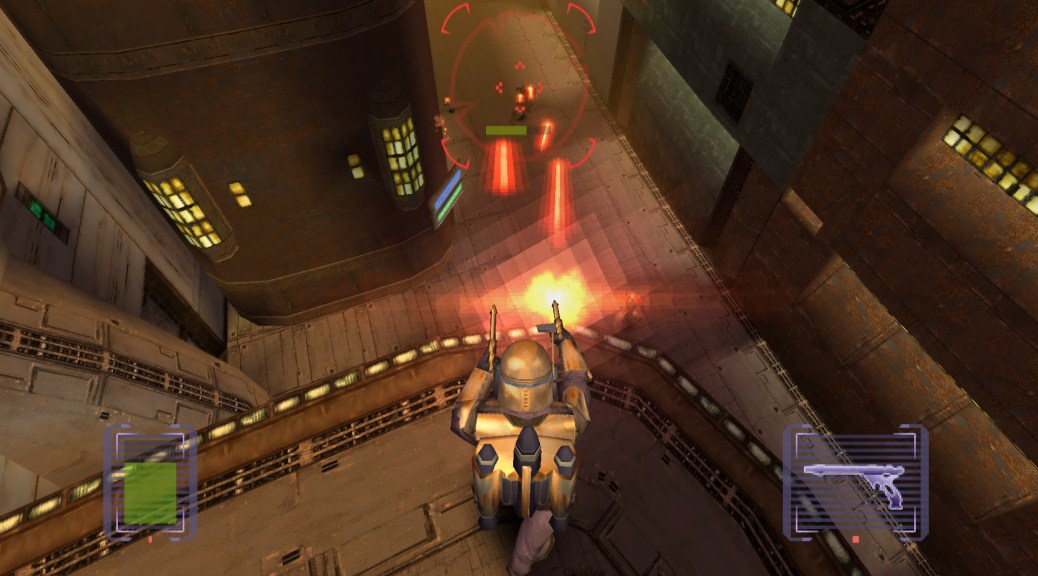
Star Wars: Bounty Hunter, PlayStation 2
Developed by LucasArts and first published in 2002, Star Wars: Bounty Hunter is a third-person action game in which you play as Jango Fett, and it is also a prequel to the Star Wars film: Attack of the Clones.
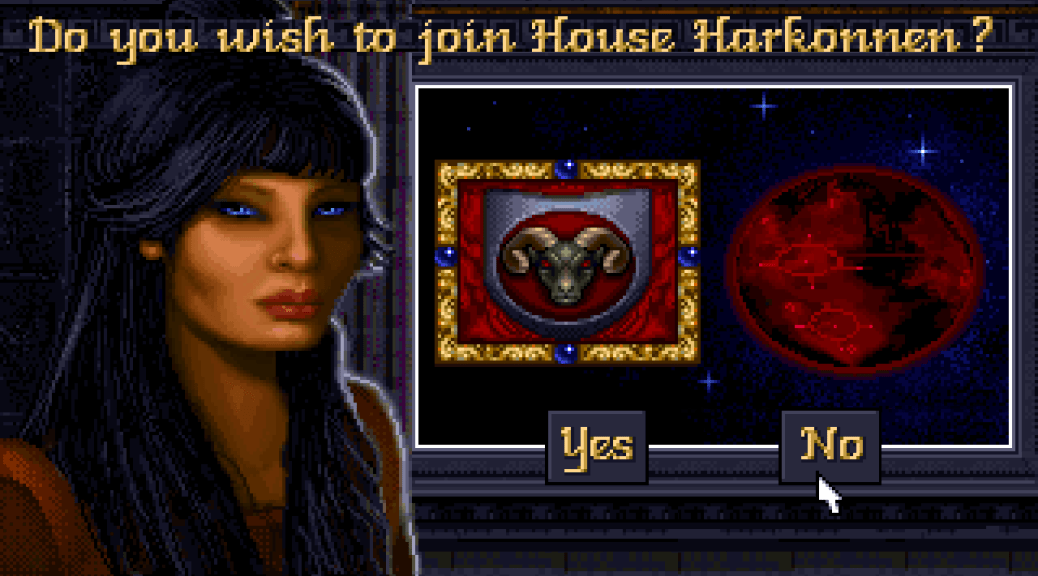
Dune II: The Battle For Arrakis, PC
The MS-DOS version of Dune II: The Battle For Arrakis was the original, first released by Westwood Studios in 1992. The Amiga version followed shortly afterwards, in 1993.
Aka “Dune II: The Building of a Dynasty” in North America.
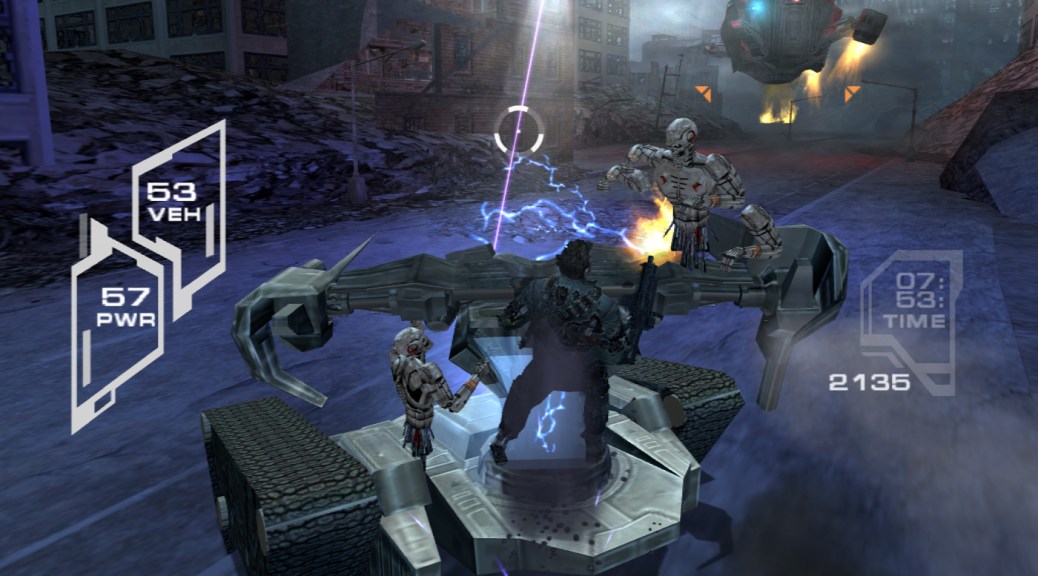
Terminator 3: The Redemption, GameCube
Developed by Paradigm Entertainment and published by Atari in 2004, Terminator 3: The Redemption is based on the Terminator 3, the film, while adding in some new scenes as backstory. Gameplay is mostly third-person shooting or driving, interspersed with pre-rendered cut scenes and on-rails shooting sections.
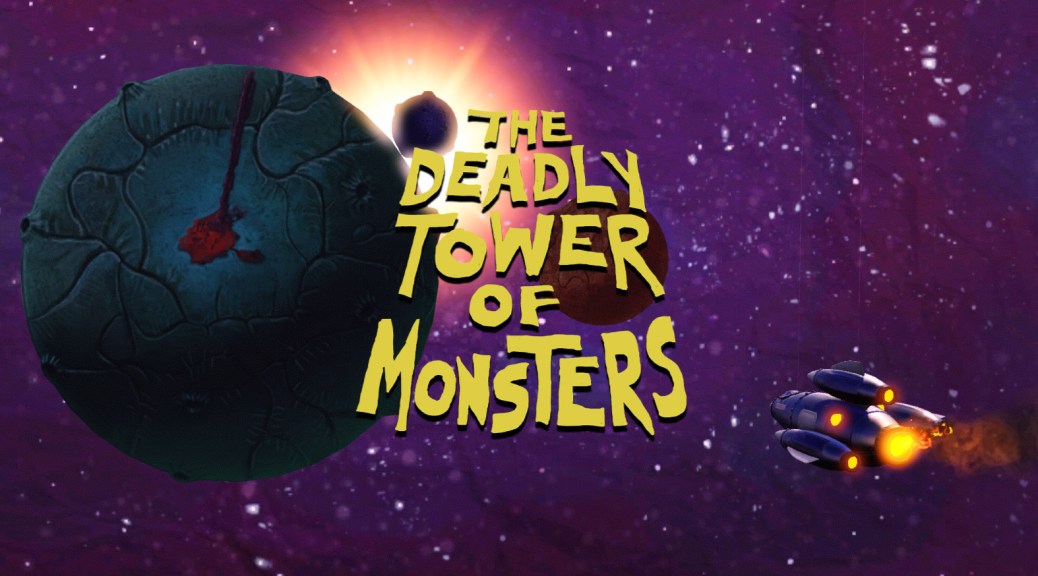
The Deadly Tower of Monsters, PC
The Deadly Tower of Monsters is a third-person action game, released in 2016, where you must climb a series of large towers, to complete various tasks, all presented like a parody of old fantasy and science fiction films. You can play as either a man (Dick Starspeed) or a woman (Scarlet Nova), and you can even play as the robot sidekick (just called “Robot“) at certain points too.
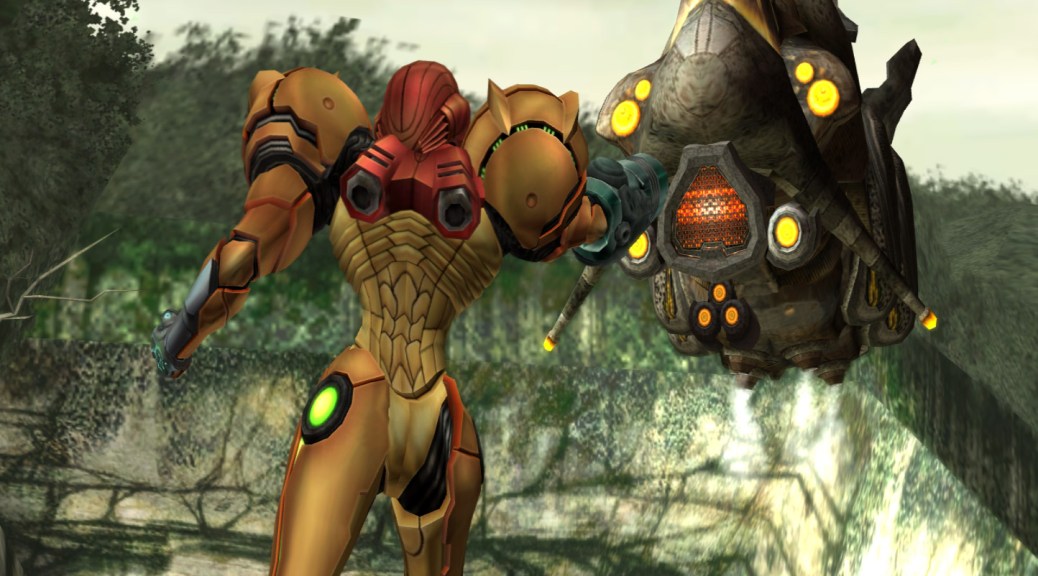
Metroid Prime 3: Corruption, Nintendo Wii
The 2007 release of Metroid Prime 3: Corruption was something of a milestone for Nintendo, the game’s publisher, and Retro Studios, the game’s developer. For Nintendo this was a landmark release, showing off the Wii‘s impressive capabilities as a games console, and for Retro Studios it was the end of years of experimentation with the control system. In the end, it turned out to be a masterpiece…
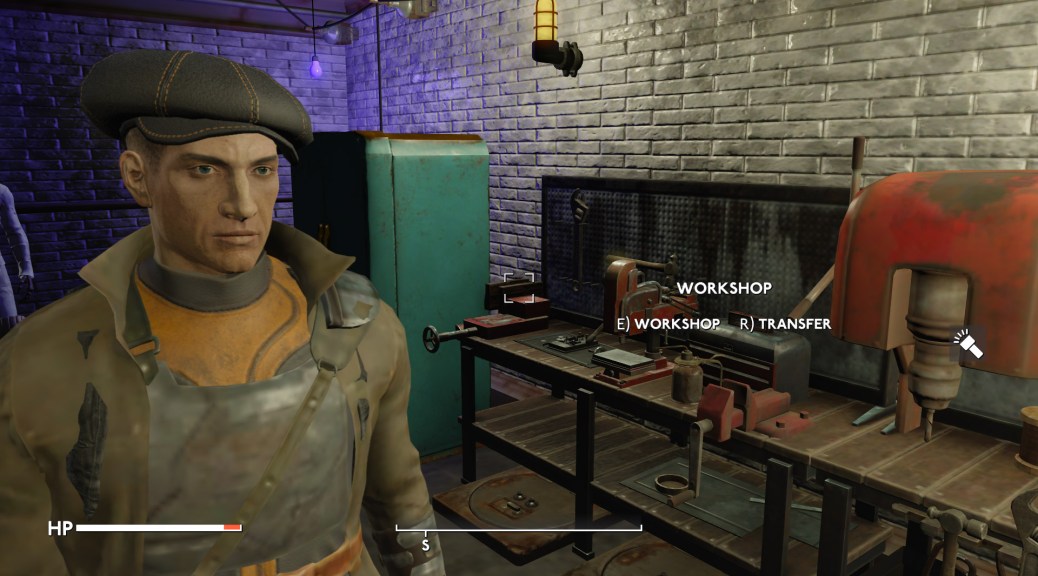
Fallout: London, PC [Part 7 – Rabbit and Pork]
Okay, here’s a “secret, hidden” bonus seventh instalment of my recent Fallout: London adventure. This one is all about the “Rabbit and Pork” DLC/add-on that was released on 30th September 2025, and grabs of my THIRD Fallout: London playthrough.
“Rabbit and Pork” is Cockney rhyming slang for “talk“. It’s also the name of a recent DLC for the Fallout 4 total conversion – Fallout: London.
Continue reading Fallout: London, PC [Part 7 – Rabbit and Pork]
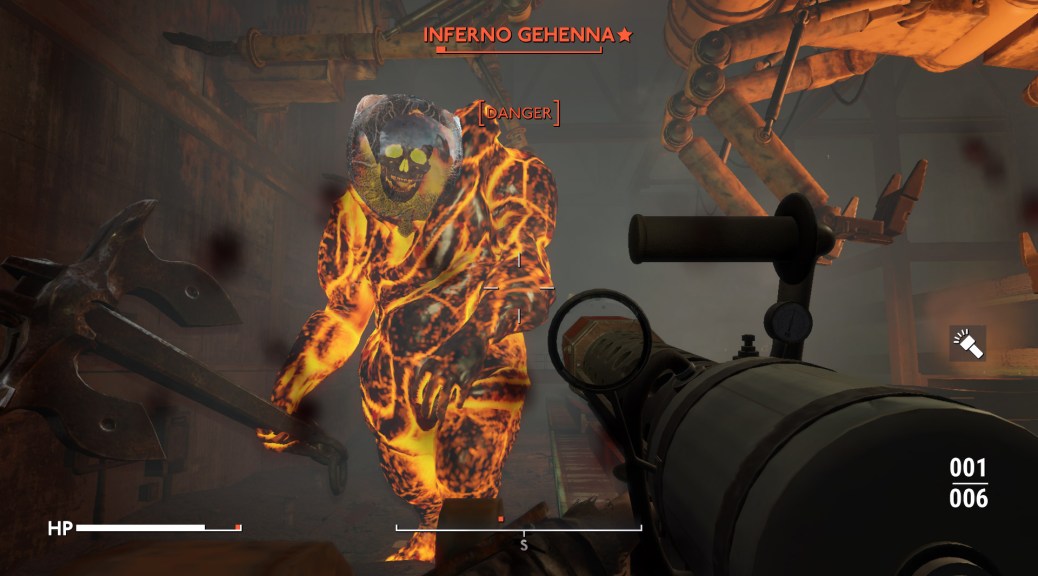
Fallout: London, PC [Part 6 – Tributes and References]
The magic sprinkled over the top of Fallout: London, I would say, are the many historic and cultural tributes and references, and other fine details, that have been woven into the game by the skills and dedication of the developers.
Continue reading Fallout: London, PC [Part 6 – Tributes and References]

Fallout: London, PC [Part 5 – A Cultural Classic]
Initially, when I first saw the launch video for Fallout: London, I was sceptical about how good the voice acting would be in the game. I heard what sounded like a fake cockney accent and cringed… Thankfully, though, that first impression wasn’t correct, and I’m glad to report that the majority of the accents, and the voice acting, in Fallout: London, are absolutely spot-on.
Continue reading Fallout: London, PC [Part 5 – A Cultural Classic]

