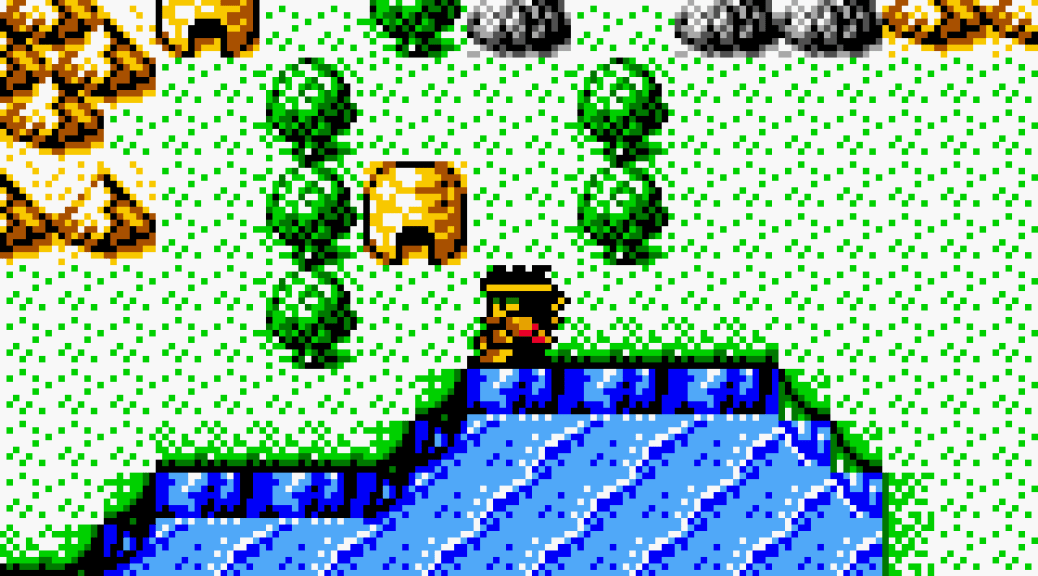
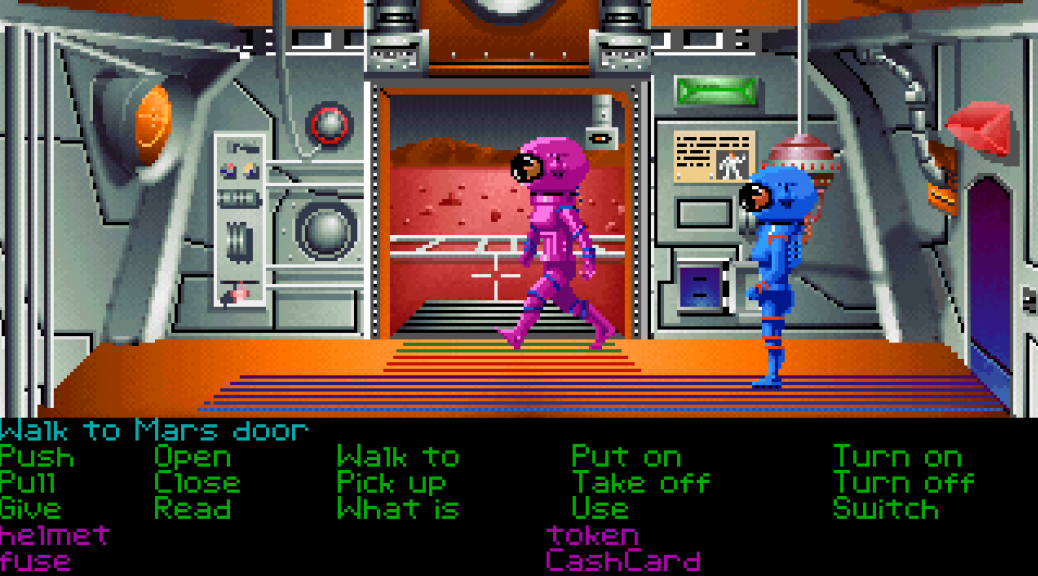
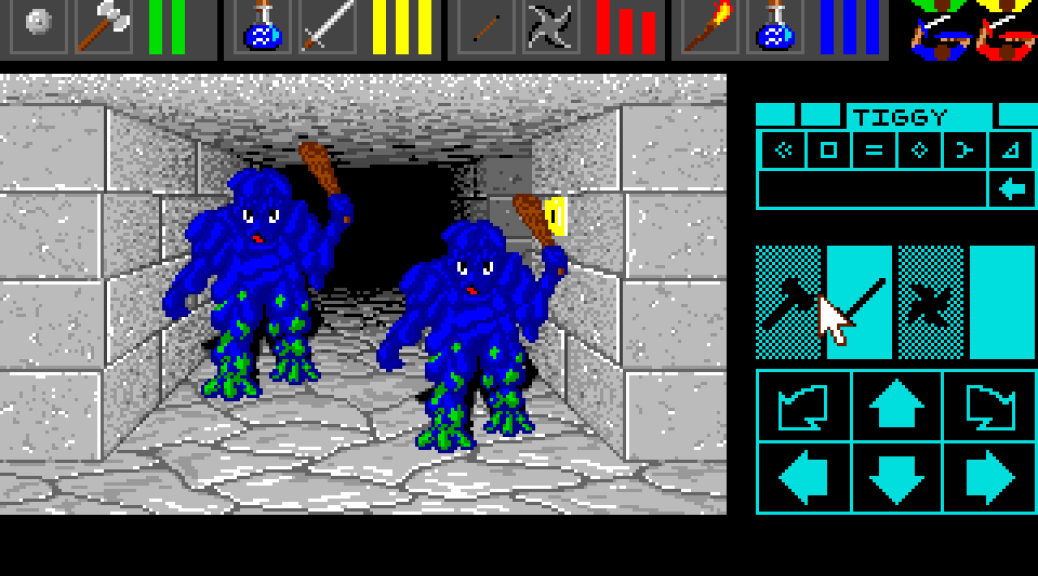
The NES/Famicom version of Maniac Mansion was developed and published by Jaleco in 1990 and is still worth playing today. It’s a fine port of a great game and translates well enough to Nintendo‘s machine that it arguably plays even better than the C64 original (although many will cry “Sacrilege!” to that).
Tag Archives: items
Final Fantasy Mystic Quest, Super Nintendo
Final Fantasy Mystic Quest is a Role-Playing Game aimed at beginners and was the first Final Fantasy game released in English-speaking territories, coming out on the Super Nintendo through Square in 1992. It was actually released in North America first, then in Japan and Europe the following year. The game was released in Europe as “Mystic Quest Legend” which hints at its similarity to the classic Final Fantasy Legend series on the Game Boy.
Knight Lore MSX2 Remake, MSX
This 2009 MSX2 remake of the classic Knight Lore was created by Manuel Pazos and Daniel Celemin of Retroworks, and it is a fun addition to the ever-growing number of Ultimate remakes on the internet. The same guys who made this also made the MSX2 remake of Alien 8, which I quite liked.
Castlevania: Curse of Darkness, XBox
Released for the XBox and PlayStation 2, Castlevania: Curse of Darkness is a 3D action/adventure developed by Konami Computer Entertainment Tokyo and first published in 2005.
Katamari Damacy, PlayStation 2
Katamari Damacy – meaning “clump spirit” – is a third-person action game that involves rolling-up items onto a ball called a ‘Katamari‘. You play as ‘The Prince‘ – a small, green boy who is the son of ‘The King of All Cosmos‘ and who pushes the Katamari around the landscape, making items stick to it, which in turn makes it grow in size. The aim of the game is roll-up a Katamari of a certain size in each of the game’s various levels.
Ultima Special
Richard Garriott‘s famous Role-Playing Game series began officially in 1981 with “Ultima” for the Apple II. It was a pioneering mixture of single-player adventuring, combat and levelling, with humble beginnings, starting out on early 8-bit systems and working its way up to modern PCs in the 1990s. The Ultima series was always evolving; always innovating, and constantly proving to be a considerable influence on story-based, single-player RPGs, and the fantasy adventure game market in general.
Ultima IX: Ascension, PC
Ultima IX: Ascension is the ninth and final instalment of the core Ultima series and was developed by Origin Systems and published for Windows-based PCs by Electronic Arts in 1999. It was the first Ultima game to use polygonal rendering in a full 3D environment.
Ultima VIII: Pagan, PC
Ultima VIII: Pagan is the eighth entry in the Ultima series and was developed and published by Origin Systems for PC MS-DOS in 1994. Like its predecessor (The Black Gate), Pagan goes for a darker, more mature tone than most of the previous Ultima games, and it is also more puzzle and action-oriented.
Ultima VII: The Black Gate, Super Nintendo
The only version of Ultima VII: The Black Gate that is available for any system other than the PC is the Super Nintendo port, first released by FCI/Pony Canyon in 1994. It is a much simplified version of the game, but is still fun to play if you like old school RPGs.
Ultima VII Part Two: Serpent Isle, PC
Serpent Isle is an oddity in the Ultima series in that it is a direct sequel to the previous game – Ultima VII: The Black Gate – which uses the same game engine, but with a few enhancements. It was published by Origin Systems in 1993 and only ever appeared on the PC, running under MS-DOS.