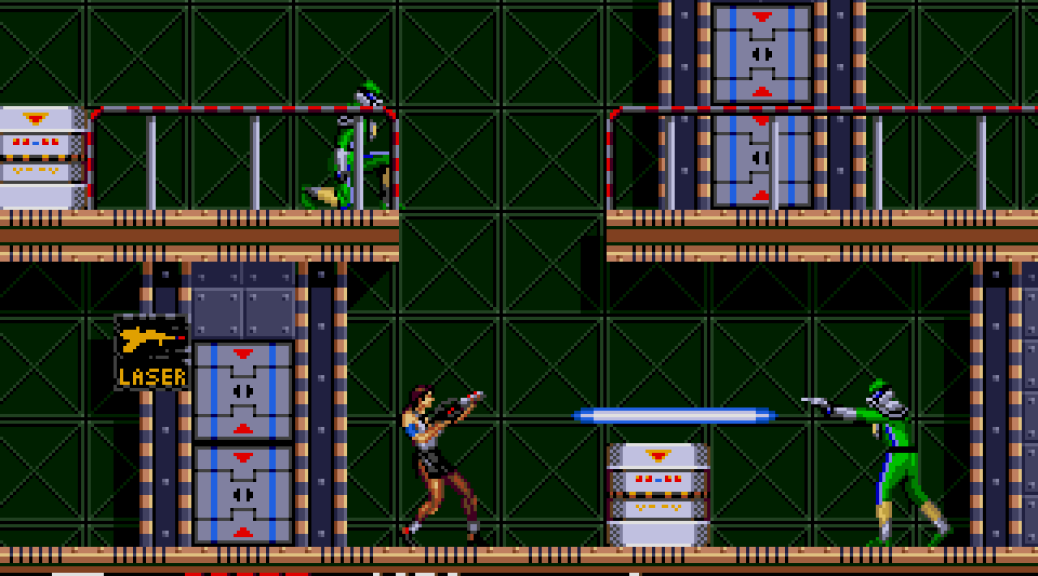
Rolling Thunder 3 is a Sega Megadrive/Genesis exclusive. It was developed by Now Production and published by Namco in 1993. It did not appear in arcades, like its predecessors did.
Tag Archives: sequel
Rolling Thunder 2, Arcade
Rolling Thunder 2 continues on from the classic Rolling Thunder: it’s secret agent “Albatross” against the sinister agents of “Geldra”, except this time you can play the game as the rescued Leila (from the first game) from the outset. Or, you can play two-player cooperatively with a friend, which you definitely couldn’t do in the original.
Dragon Quest VI, Super Nintendo
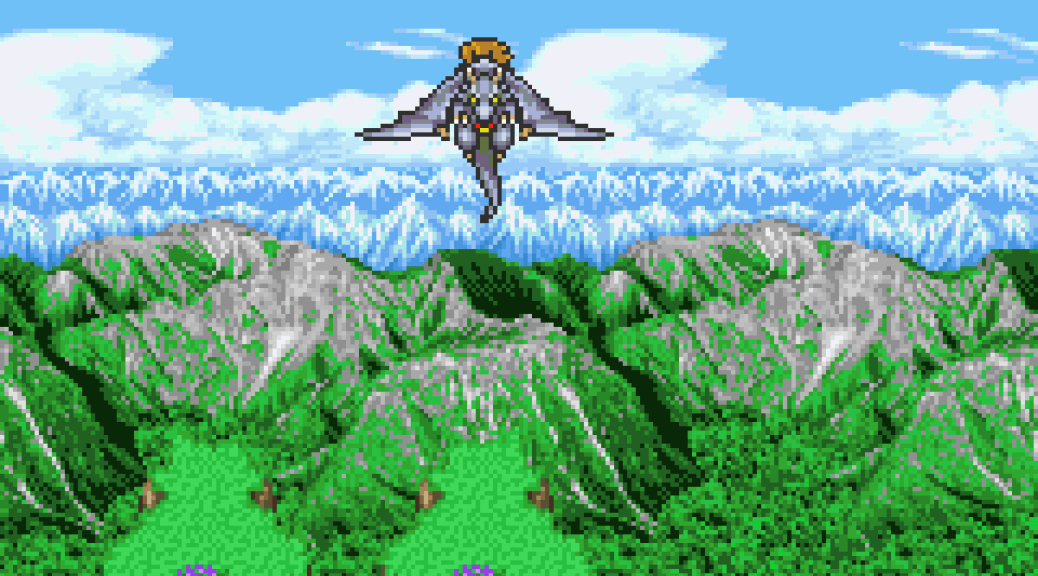
Dragon Quest VI: Realms of Revelation was developed by Heartbeat for Enix and released for the Super Nintendo in 1995 in Japan. It is the sixth instalment in the Dragon Quest series, if you aren’t familiar with Roman numerals.
Final Fantasy Legend III, Game Boy
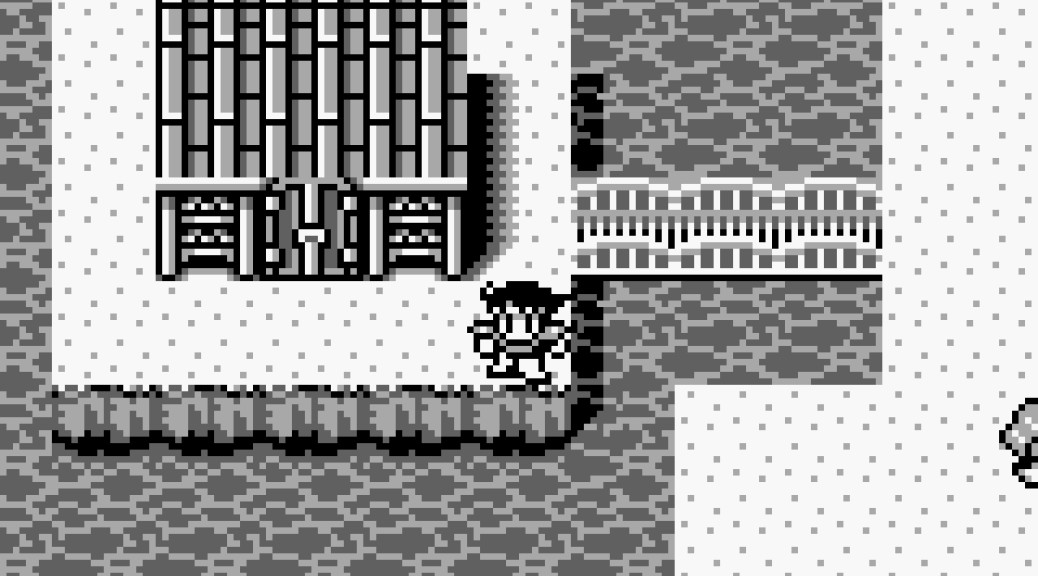
As Final Fantasy Legend games go this third instalment in the series is a little weird. It plays just as good as the previous two games (maybe even better because it has the advantage of refinement), but the way it’s presented is somewhat strange.
Final Fantasy VI Advance, Game Boy Advance
Final Fantasy VI Advance was released in Japan in 2006, and 2007 in English language territories. It’s a remake of the Super Nintendo original, developed by a Japanese company called Tose.
Final Fantasy VI, Super Nintendo
Final Fantasy VI (six) is where the series started to move away from its ‘cute’ roots and into darker story-telling territory, foreshadowing the distant Final Fantasy VII. It was initially released on the Super Nintendo in 1994.
Final Fantasy V Advance, Game Boy Advance
Final Fantasy V Advance is the third Tose-developed remake for the Game Boy Advance and was first released in 2006.
Again: it uses the same refined interface and beautifully-drawn and coloured graphics of the previous two Tose remakes and somehow manages to make the Super Nintendo original look a little drab in the process.
Final Fantasy V, Super Nintendo
Final Fantasy V (five) was released in Japan for the Super Nintendo in 1992 although it did not get an official English language translation until it was later re-released on the Sony PlayStation in 1999.
Final Fantasy IV Advance, Game Boy Advance
In the mid Noughties Japanese developer Tose undertook the task of converting and updating the early Final Fantasy games to the Nintendo Game Boy Advance for Square Enix (as they were known then).
Final Fantasy IV, Super Nintendo
Looking a little primitive compared to the 2005 remake for the Game Boy Advance, this original, 1991 Super Nintendo adventure nevertheless is a pioneering game. It was the first Final Fantasy game released for the Super Nintendo (the previous three all being Famicom releases), and the first to use the “Active Time Battle” system.