
Ghoul Patrol is the 1994 sequel to Zombies Ate My Neighbors and it features gameplay and graphics very similar to its predecessor, which is no bad thing on the face of it, considering that Zombies Ate My Neighbors is a fun game.
Tag Archives: cooperative

Toejam & Earl, Megadrive/Genesis
Developed by Johnson Voorsanger Productions for Sega and published on the Megadrive in 1991, Toejam & Earl is a cult collect ’em up starring two alien rappers who have crash-landed on Earth.
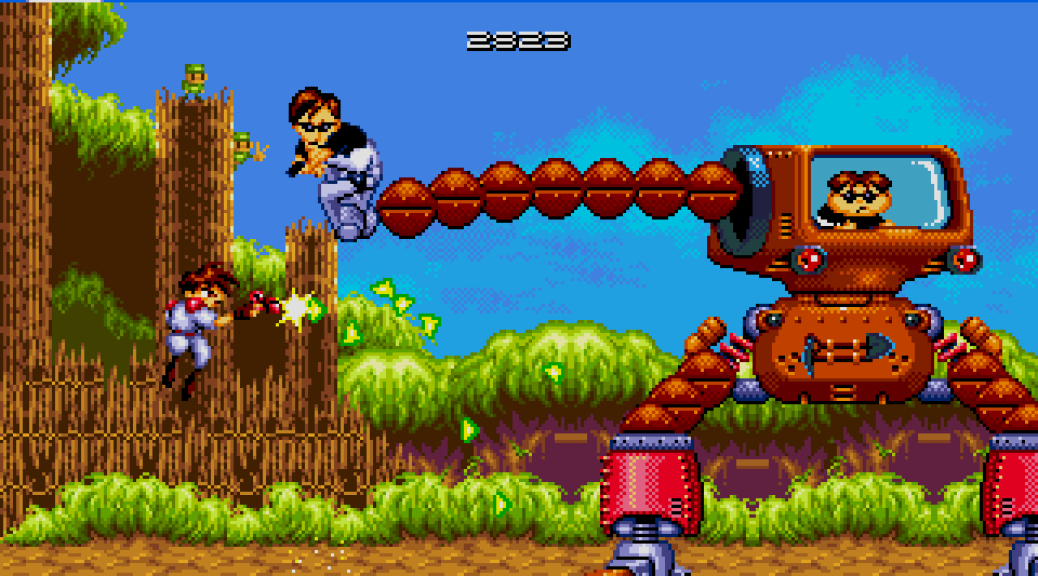
Gunstar Heroes, Megadrive/Genesis
Gunstar Heroes is a classic run-and-gun shooter, published initially on the Megadrive/Genesis by Sega in 1993. It was the debut game of the famous Japanese developer, Treasure.
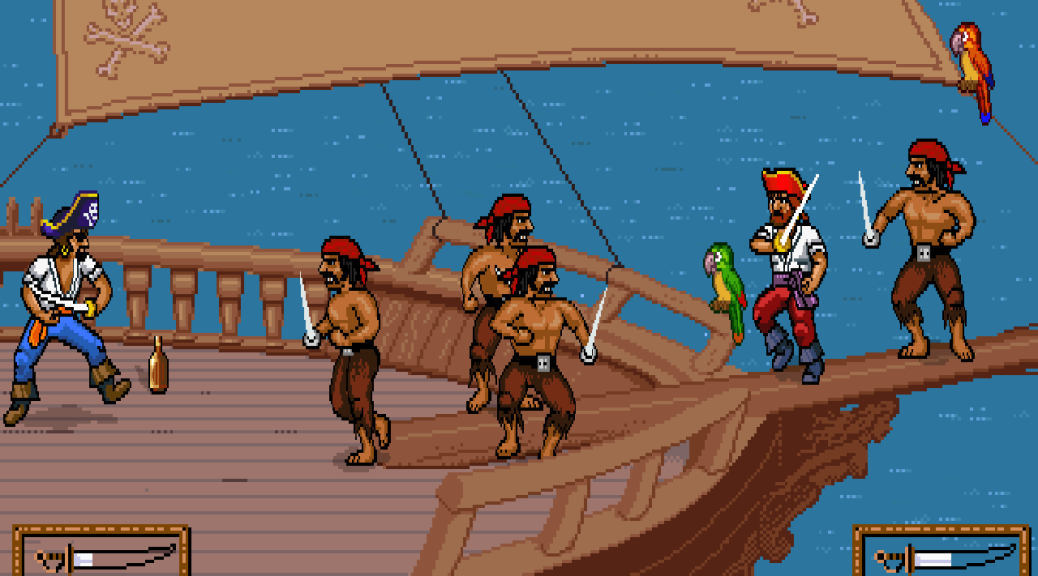
Skull & Crossbones, Arcade
I hadn’t seen this 1989 arcade game from Atari Games before, until I played it recently, and even then I found it on the Commodore 64 first, then realised that it was an arcade conversion.
Skull & Crossbones has all the ingredients of a classic arcade action game, but – having played it extensively now – I can see why it failed…
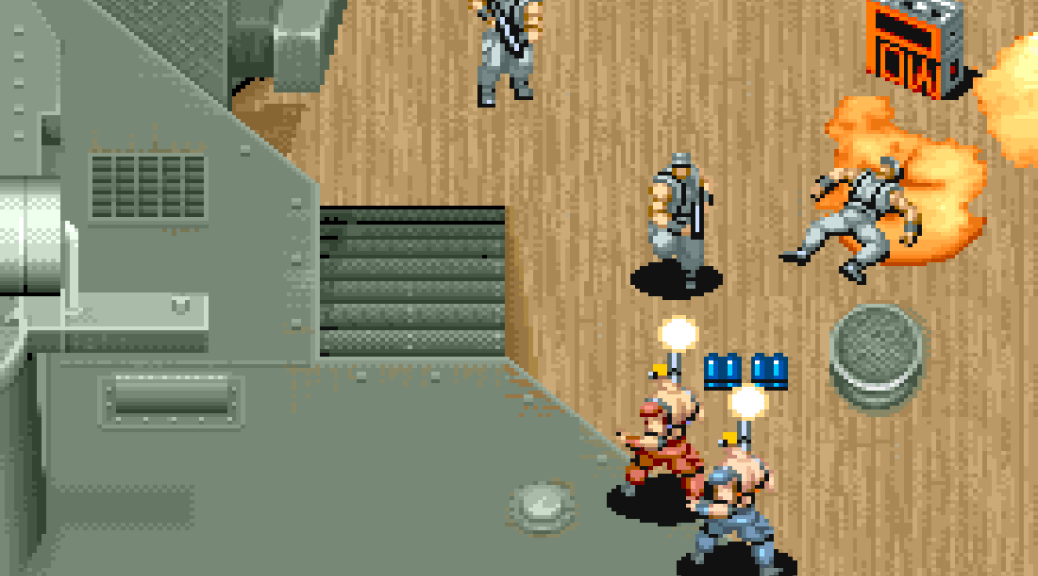
Mercs, Arcade
Mercs is a classic arcade shooter from 1990. It was jointly developed by Sega and Capcom and features simultaneous three-player cooperative gameplay.
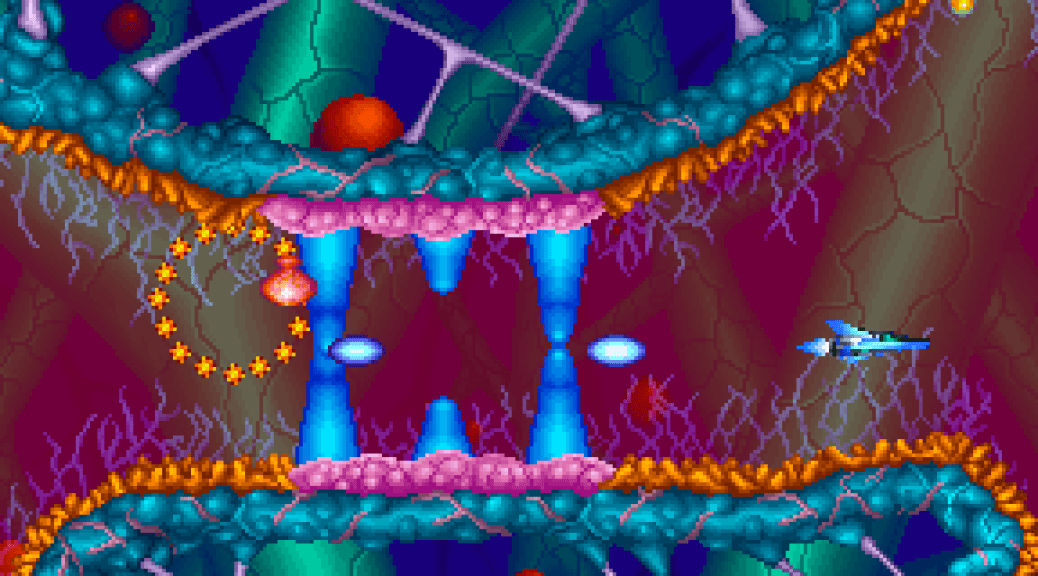
Salamander 2, Arcade
Released ten years after the original Salamander, Konami‘s 1996 sequel – Salamander 2 – is more of the same horizontal/vertical scrolling blasting action, but with a different style of graphics, bigger, better weapons, and more spectacular events.

Bubble Memories, Arcade
Bubble Memories: The Story of Bubble Bobble III was released into arcades by Taito in 1996, and – as the subtitle makes clear – this is a canonical Bubble Bobble sequel. It has been described as “Bubble Bobble on steroids”…

R-Type Leo, Arcade
R-Type Leo is a spin-off from the famous R-Type series and was released into arcades in 1992. It was the last R-Type game to be made as an arcade game and was developed by Nanao, the parent company of Irem.

Final Fight, Arcade
A side-scrolling beat ’em up released into arcades by Capcom in 1989, Final Fight was originally intended as a sequel to Street Fighter, but was eventually changed after the success of Double Dragon.

SegaSonic the Hedgehog, Arcade
SegaSonic the Hedgehog is an arcade game from 1993 starring Sega‘s famous blue mascot, Sonic the Hedgehog. It features beautiful isometric graphics and trackball-based multiplayer gameplay.

