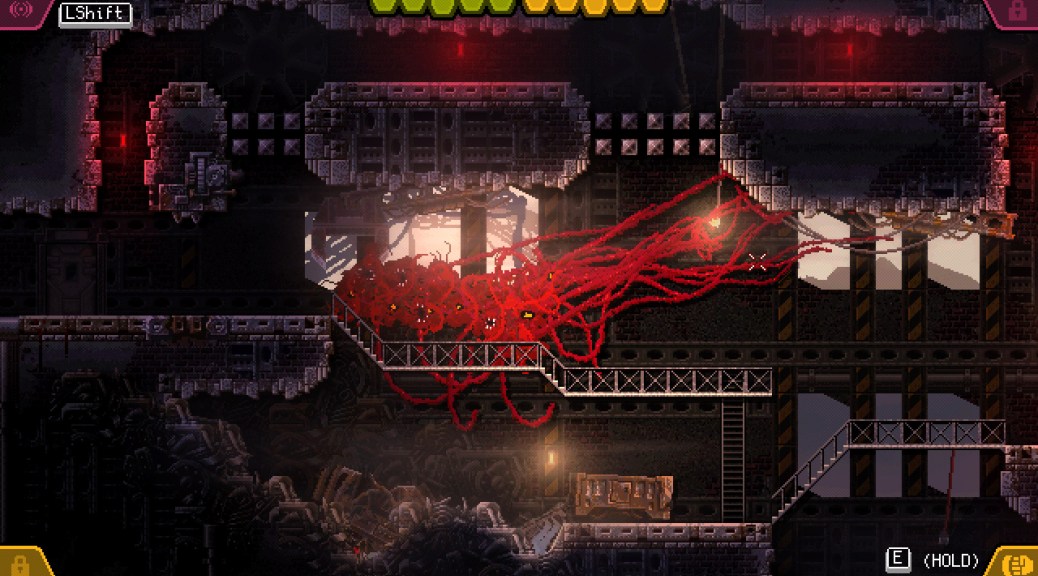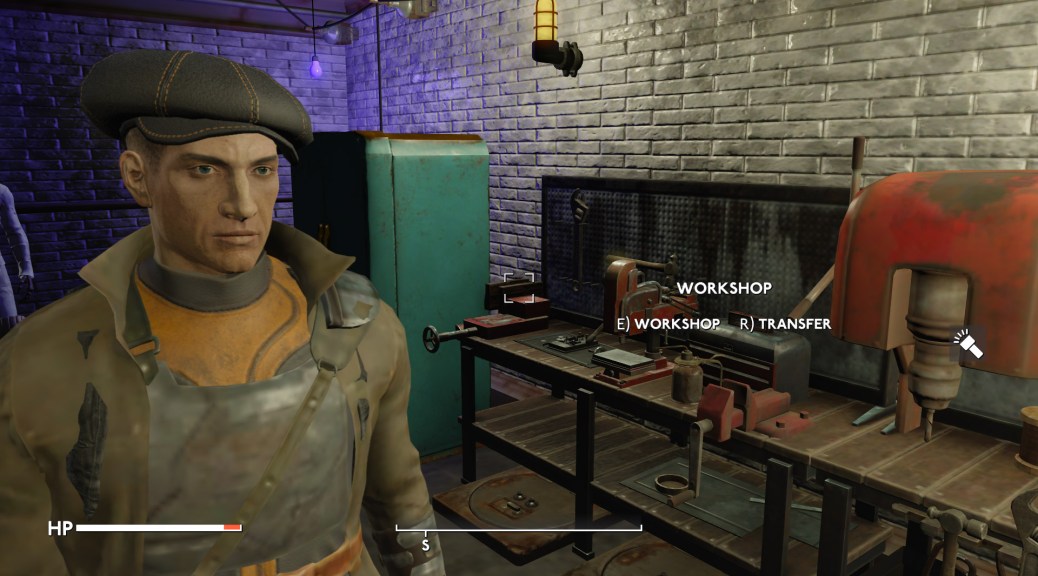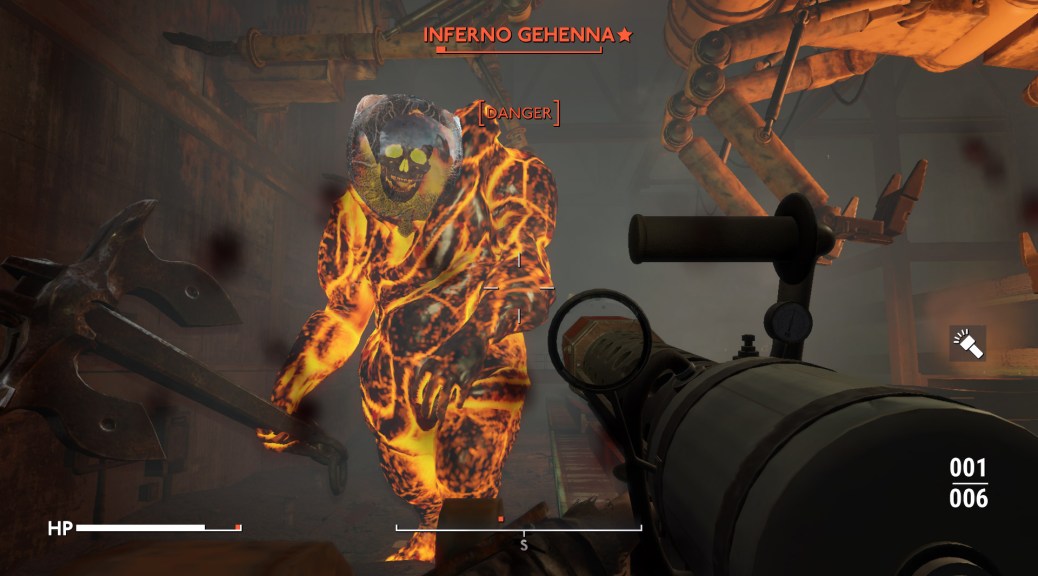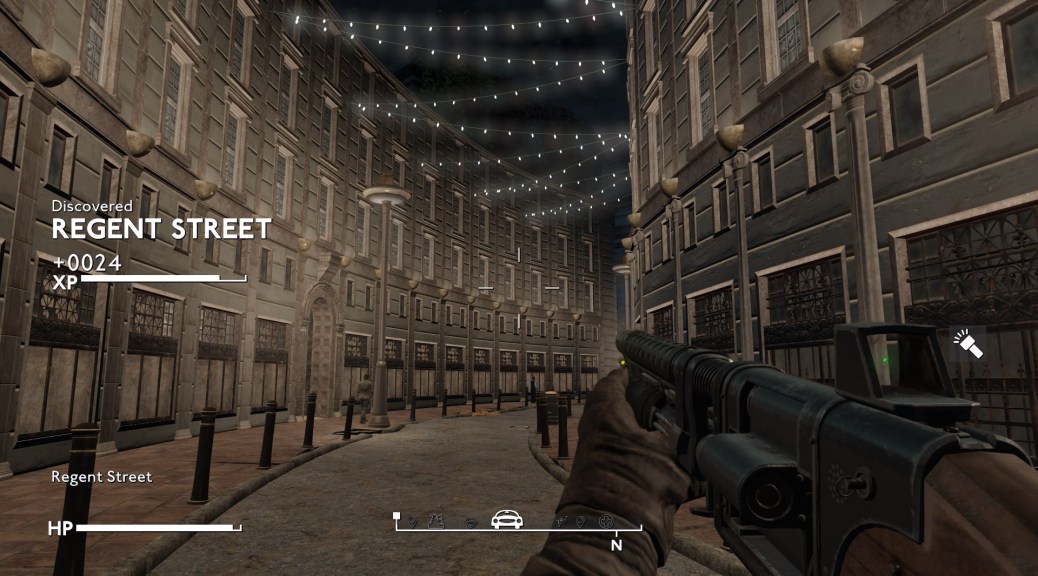
The storyline in Fallout: London is split into three separate acts. How the game progresses depends on your actions in the previous act.
Continue reading Fallout: London, PC [Part 3 – The Storyline]
The storyline in Fallout: London is split into three separate acts. How the game progresses depends on your actions in the previous act.
Continue reading Fallout: London, PC [Part 3 – The Storyline]
Before proceeding with the review, I want to bring up the “elephant in the room” with Fallout: London. Something that bothered me throughout my first two playthroughs, and also something that can be mostly avoided with some careful planning and insight. And that is: avoiding the many bugs in the game…
Continue reading Fallout: London, PC [Part 2 – Avoiding the Bugs]
Created by Team FOLON, with the backing of gog.com, Fallout: London is a free total conversion for Fallout 4, turning the English capital city into a post-apocalyptic hellscape, with various different factions warring against each other.
The entire single-player campaign – the whole game, in fact – has been modified to give you a new storyline to play through, plus loads of other extras that accent the very Britishness of it all. The mod satirises British history, culture, and British manufacturing and consumerism, and has countless unique items and locations to discover while exploring.
Continue reading Fallout: London, PC [Part 1 – No Swimming in the River Thames]
Konami‘s classic Castlevania series is a well-known and much-loved collection of horror-themed games that spans from 1986 to the present day, although some may feel that the series has been neglected in recent times.
Castlevania began its existence in the form of the Famicom Disk System game, Akumajō Dracula, and has undergone many iterations, across almost all video game systems, including in the arcades, on handhelds, and on home computers and consoles.
Here’s a list of all the official Castlevania games ever made. Plus a selection of some of the best fan-made games and hacks.
In celebration of a landmark video game series!
Castlevania: Rondo of the Night is a ROM hack of the PlayStation classic, Castlevania: Symphony of the Night, and it was first released in June 2024. The aim of the hack is to change the gameplay, so that the player can do quicker and more athletic moves, and to surprise the player with a seemingly never-ending string of good ideas.
Continue reading Castlevania: Rondo of the Night, PlayStation
It’s a remake of Castlevania: The Adventure – originally released for the black and white Game Boy – except this time it’s been changed to look and play like something of a cross between an X68000 and a Super Nintendo Castlevania game. It could also be mistaken for a Castlevania arcade game. But it isn’t any of those.
Castlevania: The Adventure ReBirth is a WiiWare game for the Nintendo Wii. It was released only through the WiiWare service for a number of years. At the time of writing, I don’t think it’s currently available to buy and play anywhere legally, which is a pity because it’s superb.
Continue reading Castlevania: The Adventure ReBirth, Nintendo Wii
Released for the Nintendo Wii by Konami in 2008, Castlevania Judgment is a 3D fighting game developed by Eighting. It was the first beat ’em up in the Castlevania series, and it remains the last one, too (at the time of writing).
Castlevania: Curse of Darkness was the second game released for the PlayStation 2 by Konami, initially coming out in 2005. Much like its predecessor (Lament of Innocence), this game is also a hack and slash 3D action game, with horror and RPG elements.
Continue reading Castlevania: Curse of Darkness, PlayStation 2
Coming out in 2003, Castlevania: Lament of Innocence was the first Castlevania game released for the PlayStation 2. The story is set in 1094 – making this, chronologically, the first Castlevania game in the series’ timeline – and it focuses on the origins of the Belmont clan and Dracula.
Continue reading Castlevania: Lament of Innocence, PlayStation 2
The MSX and Famicom Disk System versions of Konami‘s original Akumajō Dracula (aka “Vampire Killer“), were being worked-on simultaneously by developers inside Konami, in 1985 and ‘86.
The Famicom Disk System version was released one month before the MSX version. Although they are essentially the same game, there are some significant differences between them.