
The MSX conversion of Datasoft‘s classic Atari 8-bit/Commodore 64 game, Bruce Lee, was coded by Mike Livesay and published by Comptiq in 1985.
Tag Archives: 2D graphics
Flat, two-dimensional graphics, usually constructed of pixels. Not three-dimensional.

Bobby Bearing, Amstrad CPC
Robert and Trevor Figgins‘ isometric action/puzzle game, Bobby Bearing, originated on the ZX Spectrum but is arguably slightly better on the Amstrad CPC.
The game features the titular character, Bobby, who is a smiling ball bearing who can roll around, fit through holes, push things, and… erm, not much else. He does have character, though.

Escape From Singe’s Castle, Commodore 64
In my review of Software Projects‘ Commodore 64 interpretation of Dragon’s Lair I ended by saying that this game – Escape From Singe’s Castle – was a “much better” sequel to that game. Which is only partially true. It’s pretty much the same kind of thing as Dragon’s Lair, only with slightly better minigames and slightly better graphics. So “much better” is probably pushing it…

Dragon’s Lair, Commodore 64
This 8-bit interpretation of the much-loved laserdisc arcade game was developed and published by Software Projects in 1986 and it is an exercise in frustration from start to finish.
Dragon’s Lair is actually a conversion of a Coleco Adam game that was published at the tail end of 1984. Software Projects acquired the license to convert it to home systems in the UK and made two games out of it.

Impossible Mission, Atari 7800
Dennis Caswell‘s classic Impossible Mission was released for the Atari 7800 in 1988 and it is a decent adaptation of the Commodore 64 original.
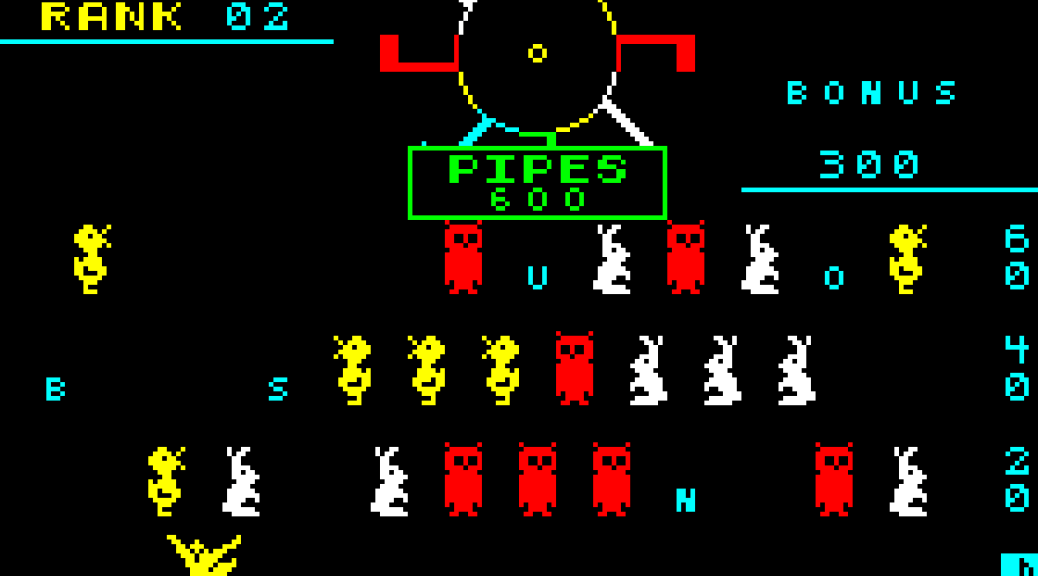
Carnival, Arcade
The classic 1980 arcade game, Carnival, was developed by Gremlin Industries (not to be confused with Gremlin Graphics) – an American company – and manufactured by Sega in 1980. It’s a funfair-themed game where the aim is to shoot moving targets while conserving your limited supply of ammunition for as long as possible.

Cybernoid II: The Revenge, ZX Spectrum
The sequel to Raffaele Cecco‘s 1987 Spectrum hit Cybernoid is more of the same devilishly difficult flick-screen shooting fun.
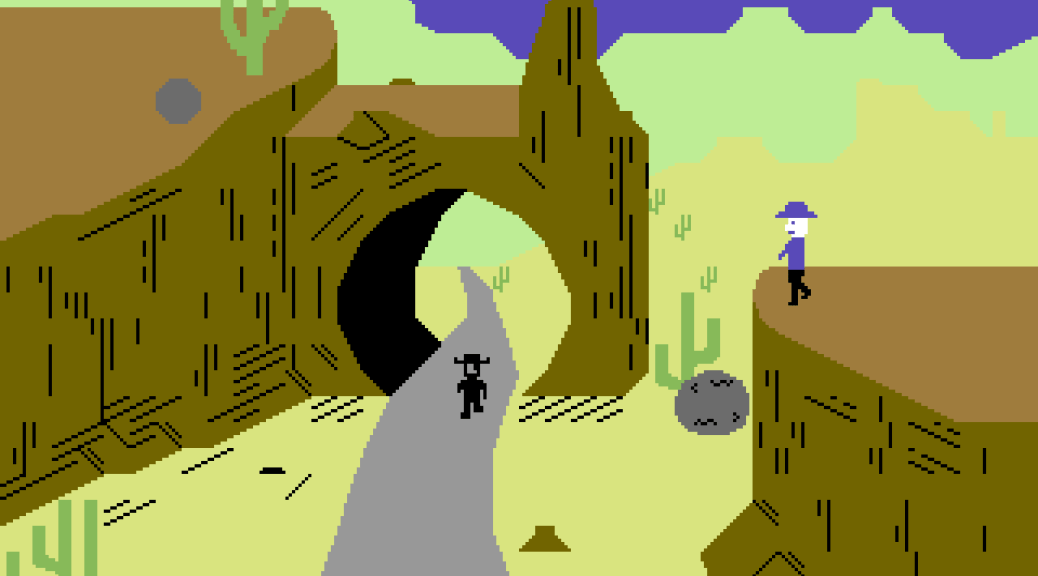
Cliff Hanger, Commodore 64
Written by James Day and initially published by New Generation Software in 1984, Cliff Hanger is a Wild West-themed game based on the popular ‘Looney Tunes‘ cartoon Wile E. Coyote and the Roadrunner.
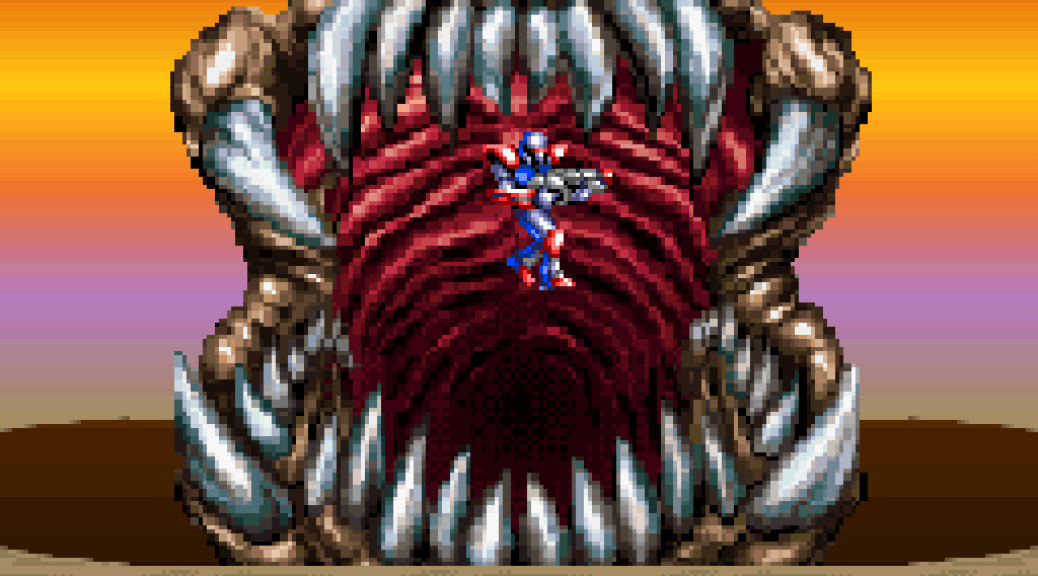
Super Turrican 2, Super Nintendo
This sequel to Super Turrican was again created by German developer Factor 5 and was published by Ocean Software for the Super Nintendo in 1995.

Mega Turrican, Megadrive/Genesis
Mega Turrican is a Megadrive/Genesis-exclusive remake of the famous run-and-gun shooter which was popularised on the Commodore 64 by Rainbow Arts and later ported to other systems. This version was developed by Factor 5 (as were all of the later ports) and published by Data East in North America and Sony Imagesoft in Europe in 1994.

