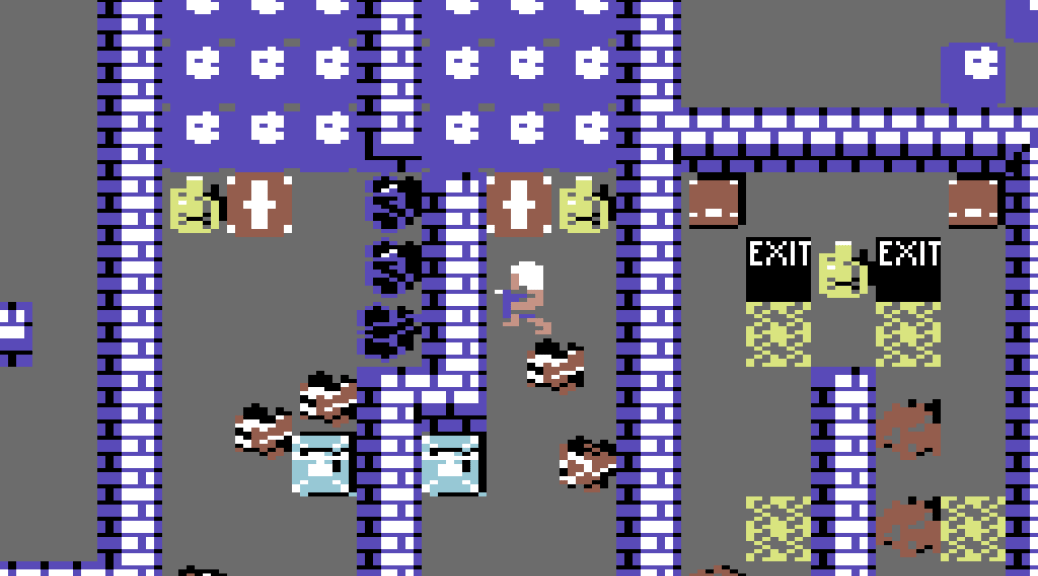
The Commodore 64 version of Gauntlet II was developed by Gremlin Graphics and was published by US Gold in Europe, and Mindscape in North America, in 1987.
Monthly Archives: July 2024
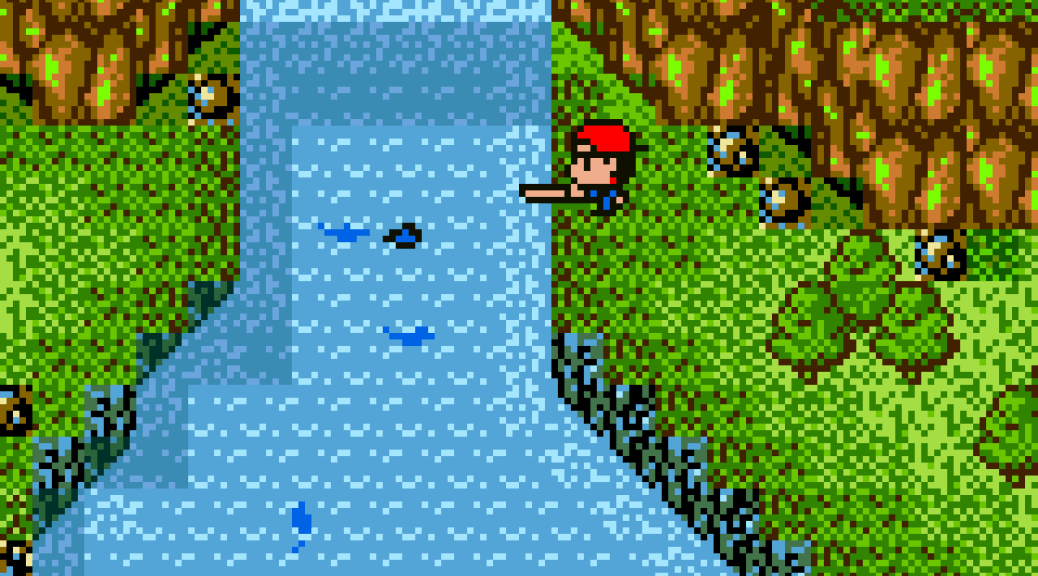
Legend of the River King 2, Game Boy Color
Released in 1999, this is the sequel to Legend of the River King and is another JRPG twinned with a fishing game. It is more detailed and refined than its predecessor and is by far the better game of the two. It was developed by Victor Interactive Software and published exclusively for the Game Boy Color by Natsume.

Shinobi III: Return of the Ninja Master, Megadrive/Genesis
Shinobi III: Return of the Ninja Master is the second sequel in the Shinobi series, released by Sega – exclusively for the Megadrive/Genesis – in 1993. Shinobi III sees Sega slightly changing the focus of this famous platform/action game, with less emphasis on difficulty and more on the speed at which you play the game and the timings of your attacks. Which will be welcomed by some players.
Continue reading Shinobi III: Return of the Ninja Master, Megadrive/Genesis

The Revenge of Shinobi, Megadrive/Genesis
The Revenge of Shinobi (known in Japan as “The Super Shinobi“) is the 1989 Megadrive/Genesis sequel to the classic Sega arcade game. It once again features Joe Musashi, and takes place three years after the events of the first game. The criminal organization “Zeed” have reformed and have renamed themselves “Neo Zeed“, and they have decided to exact their revenge on the Oboro Ninja Clan by killing Joe’s master and kidnapping his bride, Naoko. So you must rescue your fiancée, and get revenge for the death of your master.

Shinobi, Sega Master System
The Master System conversion of Sega‘s 1987 arcade game, Shinobi, is arguably the best of its type on the console. The developers have obviously taken care to make the game play well and look as good as possible on Sega‘s 8-bit system.

Bionic Commando (US version), Commodore 64
This is the US-developed port of Capcom‘s Bionic Commando. It was created by Pacific Dataworks International and published by Capcom in 1988. If you want to see the (IMHO vastly superior) British version of the game: click here.

Bionic Commando, Commodore 64
There are two versions of Bionic Commando for the Commodore 64 – a British version, developed by Software Creations and published by GO!, and a US version, developed by Pacific Dataworks International and published by Capcom. Both were released in 1988.
The game shown here is the British version, which – in my humble opinion – is by far the better of the two releases.
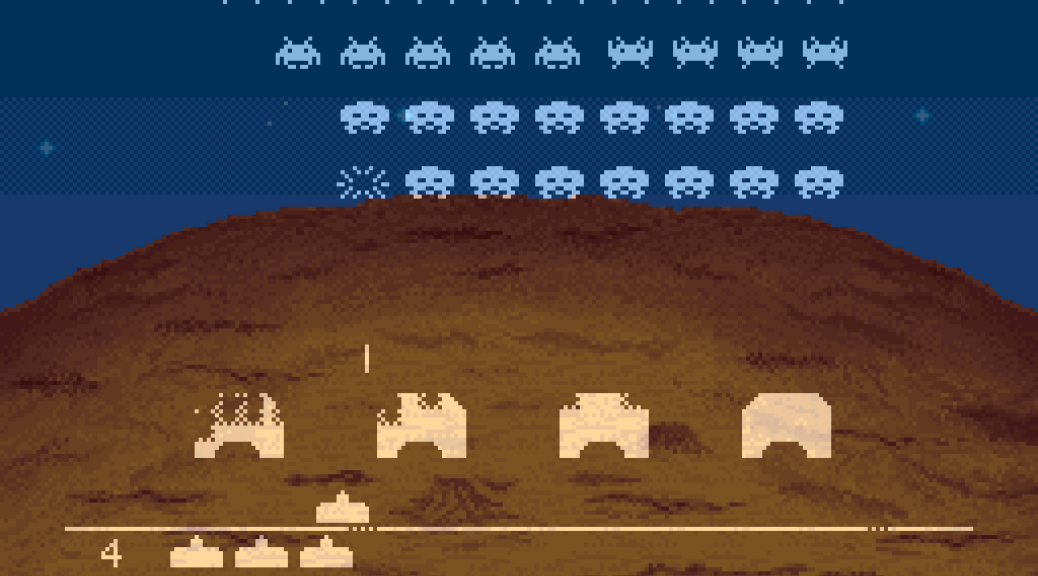
Space Invaders, Super Game Boy
The 1994 Game Boy version of Taito‘s classic Space Invaders is legendary for its Super Game Boy enhancements. It not only features a variety of well-designed borders and enhanced colour palettes, but it also includes an exclusive, separate ‘arcade’ port that is only accessible when using a Super Game Boy on a SNES.
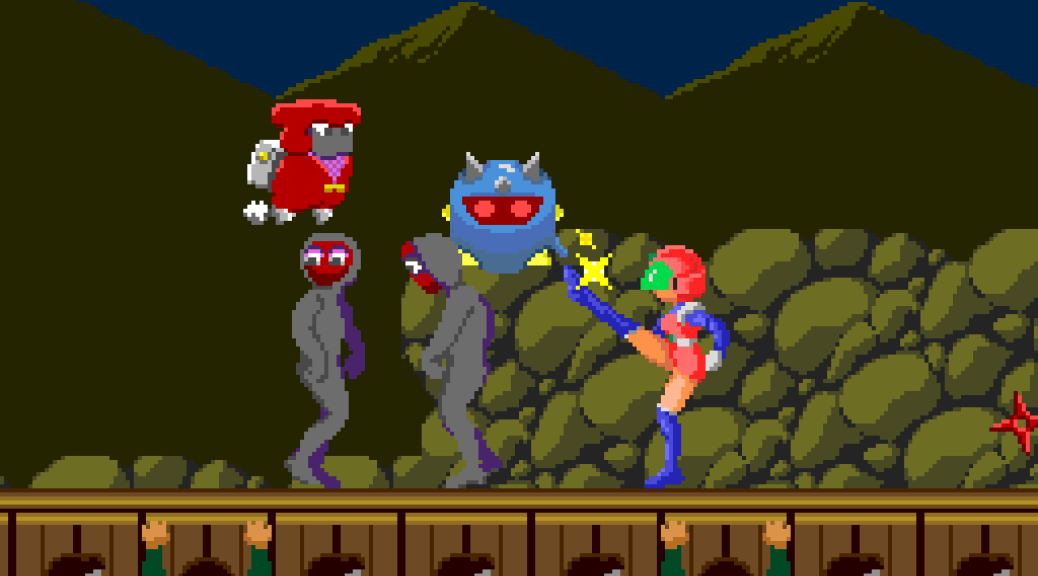
Wonder Momo, PC Engine
Developed by Namco and published – in Japan only – by NEC Avenue in 1989, Wonder Momo is a conversion of a weird Japanese arcade game featuring a female lead character who must fight off attackers during a theatre stage play. And, if that sounds bizarre, then – well – that’s because it is! Unlike the arcade original, the PC Engine version of Wonder Momo has been fan-translated into English and Spanish, so is more accessible to Western audiences.

Wonder Momo, Arcade
I first encountered Namco‘s Wonder Momo on the PC Engine, because it had received a fan translation, and I was curious to see what the game was about. I then discovered that it was a conversion of a 1987 arcade game, featuring a young girl called Momo, who can turn into a ‘superhero’ by building up her “Wonder Meter“.
This bizarre arcade game was only ever released in Japan, but has subsequently built up a cult following around the world, and has also inspired manga/anime, and resulted in a sequel that was released in 2014.
 The King of Grabs