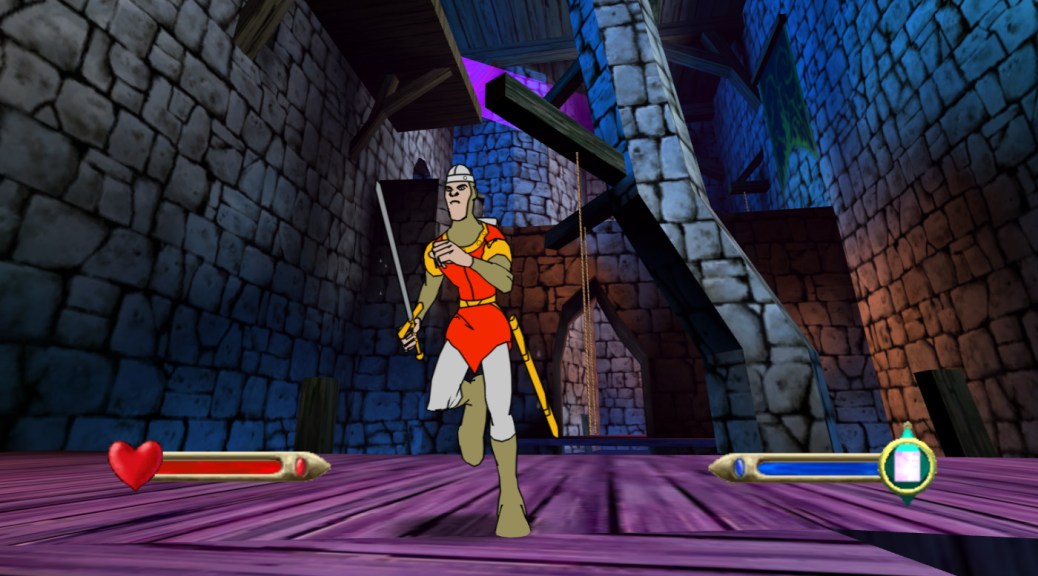
Known as “Dragon’s Lair 3D: Return to the Lair” in North America, this fully-3D action adventure is a reimagining of Don Bluth‘s classic laserdisc arcade game, Dragon’s Lair. And it works brilliantly well. Dragon’s Lair 3D was published for the GameCube by THQ in Europe, and Encore, Inc. in North America, in 2002. It was also released for PlayStation 2, Windows and XBox.
Monthly Archives: July 2024
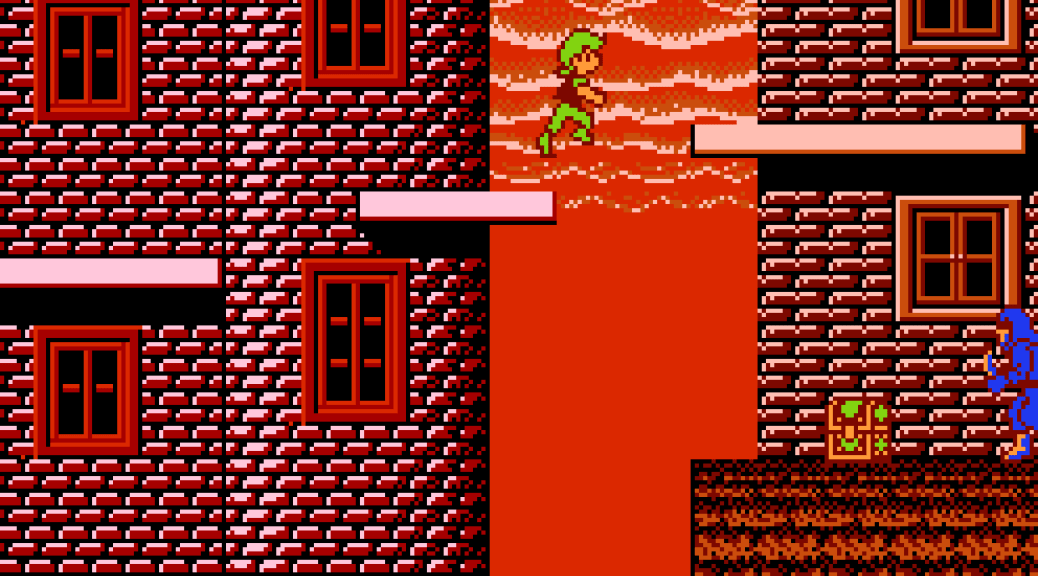
Moon Crystal, NES/Famicom
Released in Japan only for the Nintendo Famicom in 1992, Moon Crystal is a scrolling platform game in the style of Zelda II. The game was developed by Hector (aka “Hect“), and fan translations into English, Spanish, Polish and Indonesian exist, making the game understandable to players who don’t speak or read Japanese.
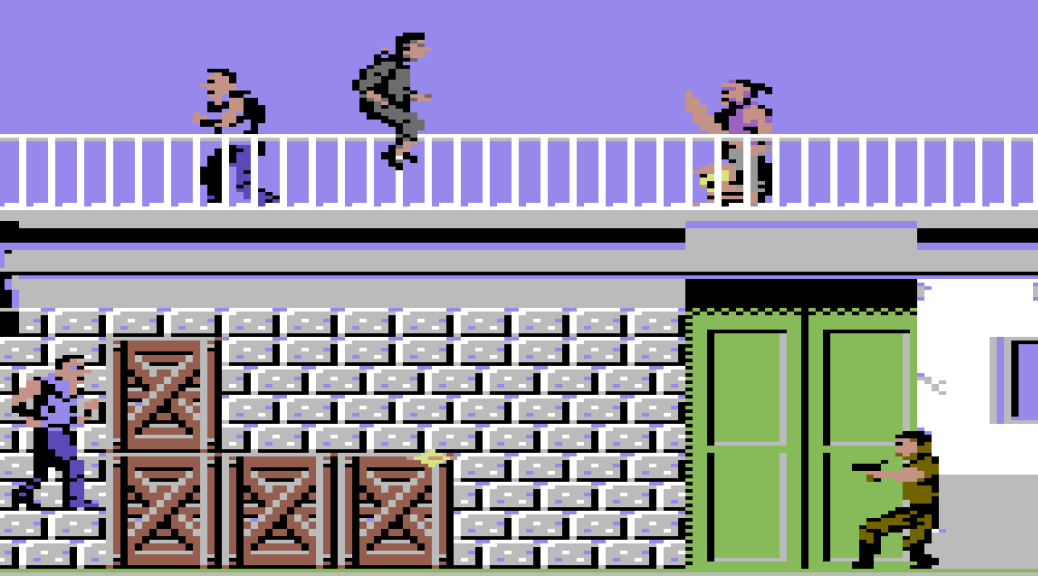
Shinobi, Commodore 64
The Commodore 64 version of Sega‘s classic Shinobi was developed by The Sales Curve and first published by Virgin Games in 1989. And – while it is a decent conversion in terms of presentation and playability – it is arguably even harder than the arcade original, which can make it extremely frustrating to play at times.
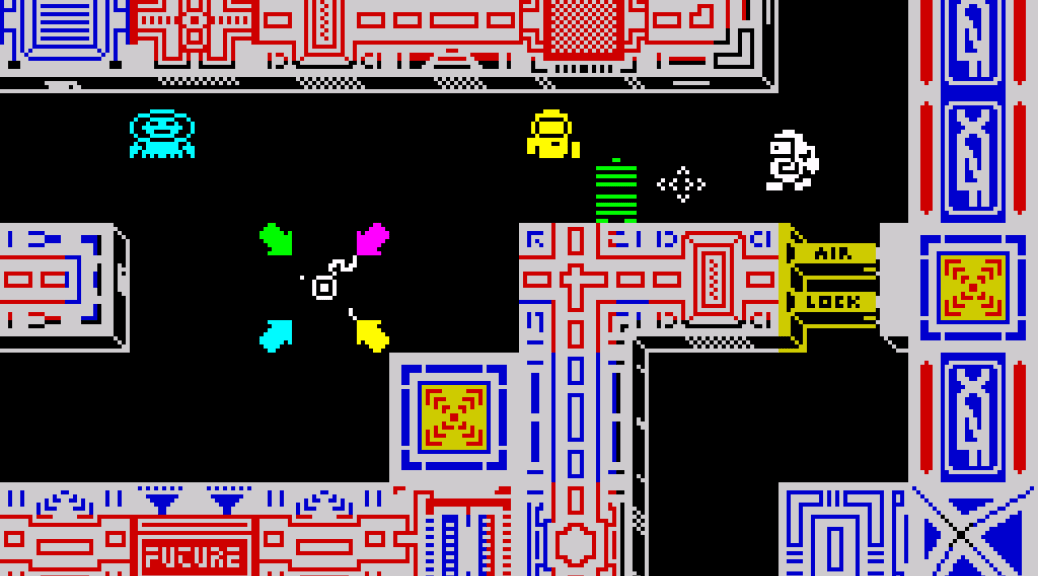
Project Future, ZX Spectrum
Programmed by Dominic Wood, with graphics by Julian Wood, Project Future is a colourful action/maze game that was published for the ZX Spectrum and Amstrad CPC by Micromania in 1985.
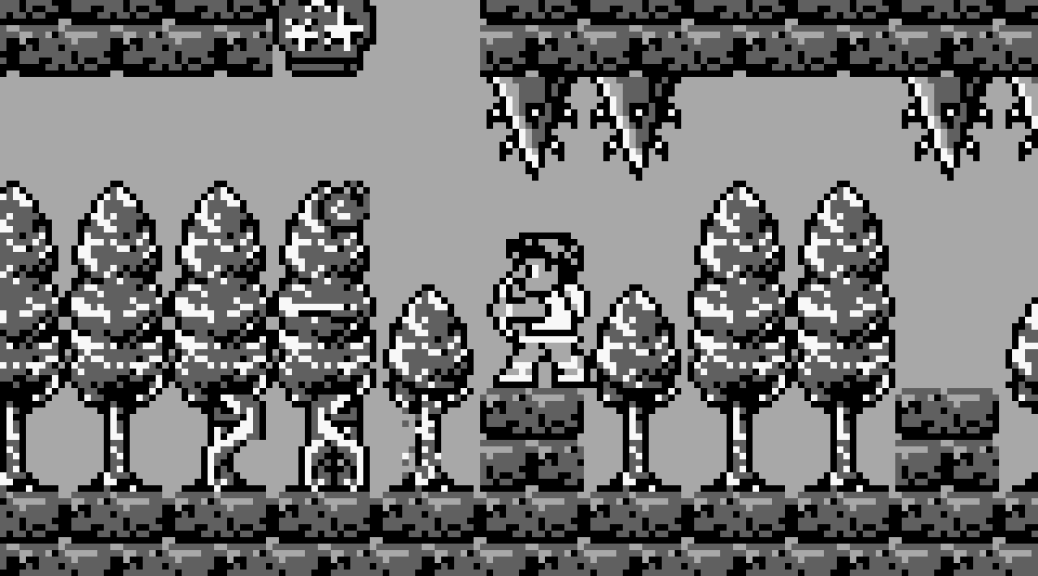
Kid Icarus: Of Myths and Monsters, Game Boy
Developed by Nintendo and TOSE Co., Ltd., Kid Icarus: Of Myths and Monsters is the sequel to Kid Icarus – a much-loved game released for the Nintendo Entertainment System in 1986. Of Myths and Monsters was published by Nintendo, exclusively for the original Game Boy, in 1991 in North America, and 1992 in Europe. For some reason, it wasn’t released in Japan, where it was made.
Continue reading Kid Icarus: Of Myths and Monsters, Game Boy

Bomberman 64, Nintendo 64
Bomberman 64 was the first true 3D game in the Bomberman series (I do not count 3D Bomberman, from 1984, as a true 3D Bomberman game). It was initially released for the Nintendo 64 by Hudson Soft in 1997.

3D Bomberman, MSX
3D Bomberman (aka 3-D Bomber Man aka Sanjigen Bomberman) is an early, first-person interpretation of the Hudson Soft Bomberman concept. It was released in – Japan only – for MSX, Sharp X1, FM-7, PC-6001 and PC-8000 home computers in 1984.
In spite of the game’s title, this is not a true 3D game as it doesn’t contain any polygonal graphics, it’s just an old school way of describing a game that takes place along the ‘Z’ axis of an X,Y,Z three-dimensional grid.
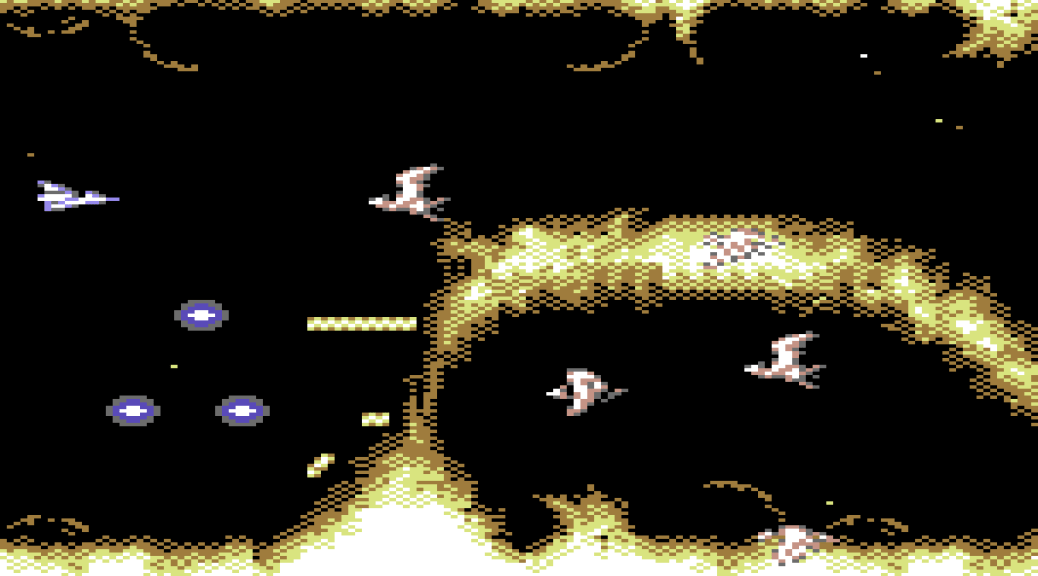
Salamander, Commodore 64
The Commodore 64 version of Konami‘s arcade hit, Salamander, was programmed by Peter Baron, with graphics by Bob Stevenson and music by Mark Cooksey. It was first published by Imagine Software in Europe in 1988, and Konami themselves in North America in 1989. It is considered by many to be the best 8-bit home computer version of Salamander, and it’s not difficult to see why…
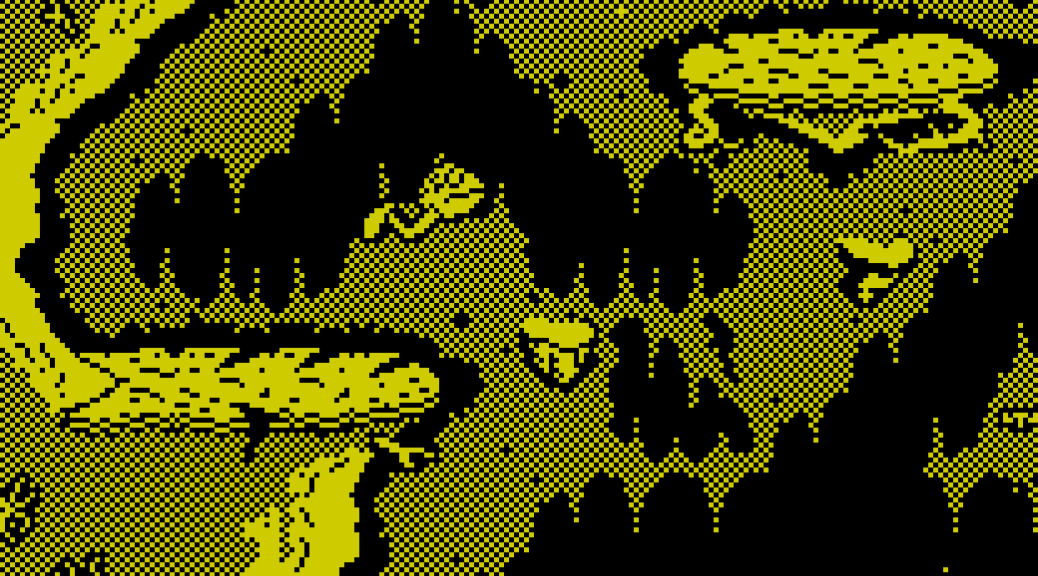
Poogaboo: La Pulga 2, ZX Spectrum
The ZX Spectrum version of Poogaboo: La Pulga 2 – the sequel to the classic Bugaboo (The Flea) – was coded by the same guy who created the original (Paco Suárez), so plays similarly, and is also what I’d call an authentic sequel.
Poogaboo was only ever released in Spain – by Opera Soft, in 1991 – so is relatively obscure as Spectrum games go. I’m a big fan of the original Bugaboo, but hadn’t heard of this sequel until recently, so was pleasantly surprised by its existence.
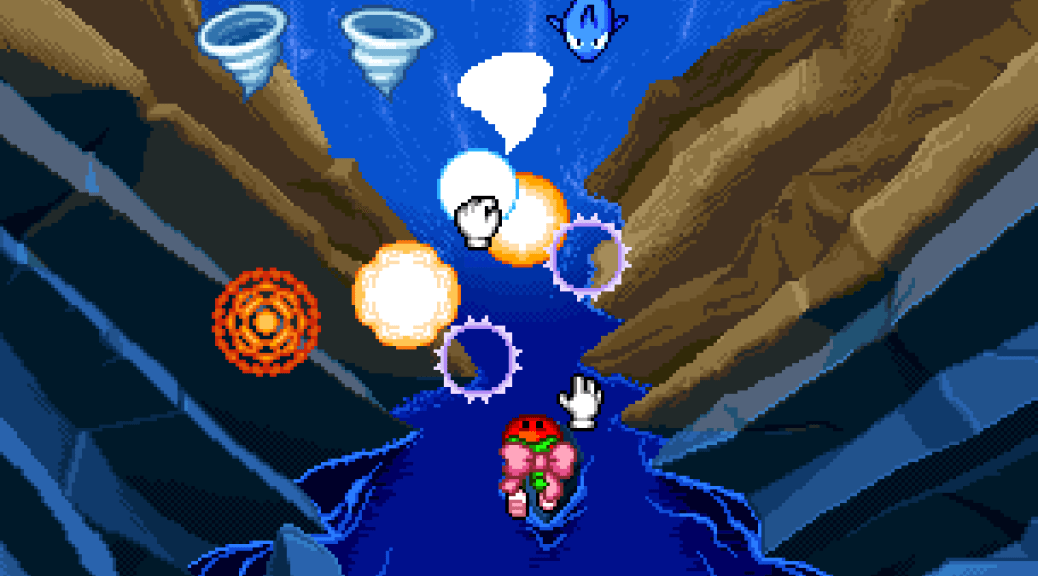
Captain Tomaday, Neo Geo
Released by Visco Corporation as a Neo Geo-based arcade game in 1999, Captain Tomaday is a one or simultaneous two-player shoot ’em up, featuring a cartoon tomato with bionic fists.
 The King of Grabs