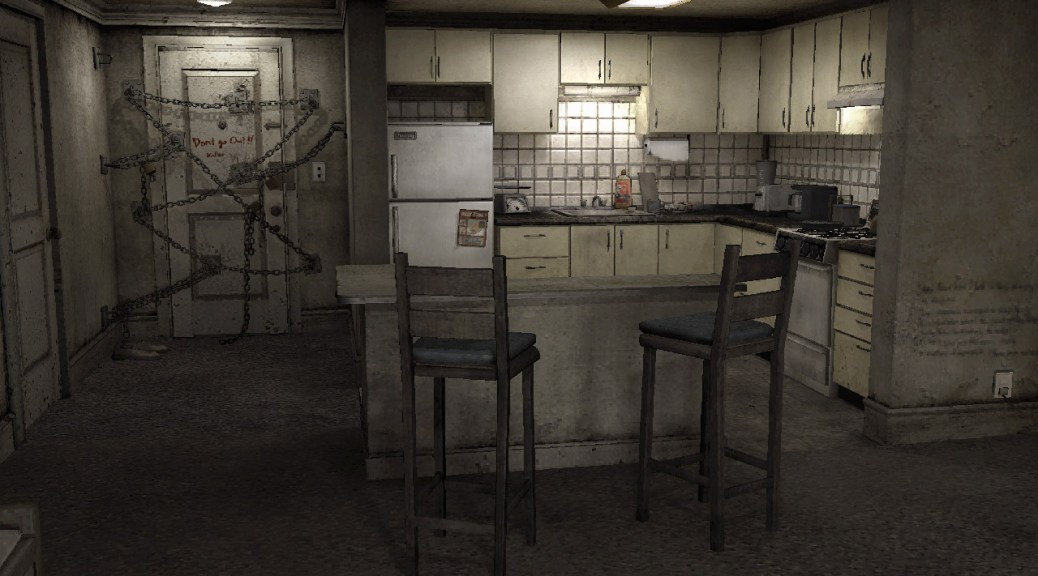
Silent Hill 4: The Room was once again developed by Team Silent (an internal dev team at Konami Tokyo), and was first published by Konami in 2004. The word on the street is that Silent Hill 4 initially began life as a concept outside of the Silent Hill series and was later made canon when the devs decided to incorporate it. It plays differently to the previous three Silent Hill games, but does have the same DNA, mixing first-person exploration with the familiar third-person survival horror gameplay.
Tag Archives: horror

Silent Hill 3, PlayStation 2
Whereas the second Silent Hill was more of a ‘spiritual successor’ to the first game, the third Silent Hill is a direct sequel to Silent Hill [one], continuing the story, but with new characters, enemies and locations. As well as re-visiting places familiar to those who’ve played the first game.
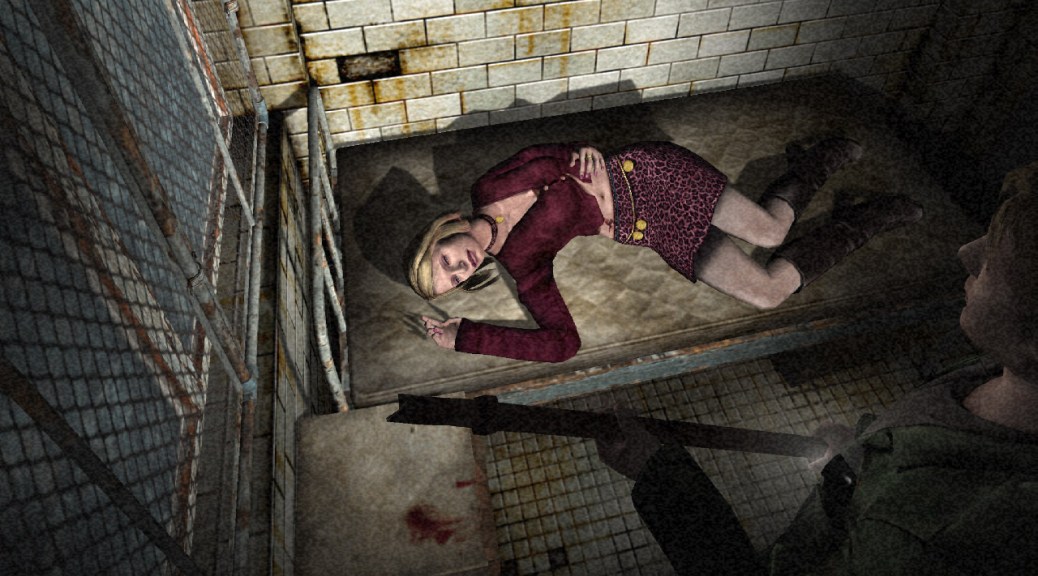
Silent Hill 2, PlayStation 2
Silent Hill 2 is the sequel to the classic PS1 survival horror game, Silent Hill, and was developed and published by Konami in 2001. And – like the first Silent Hill – it is considered to be one of the best video games of all time by those who’ve played it.
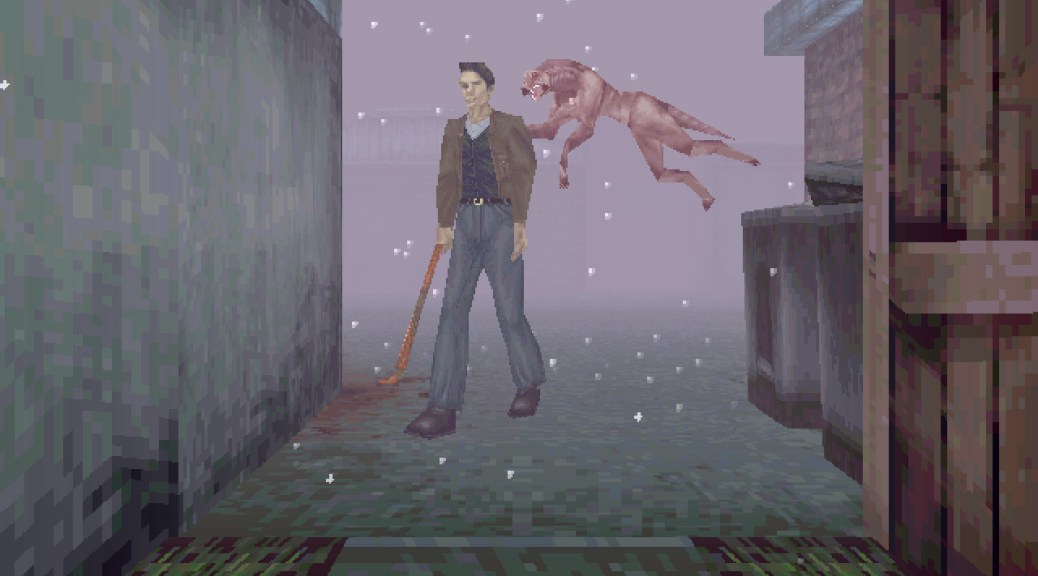
Silent Hill, PlayStation
This infamous survival horror game is the first game in the Silent Hill series and was developed and published by Konami in 1999. It is considered to be one of the best video games ever made by those who’ve played it.
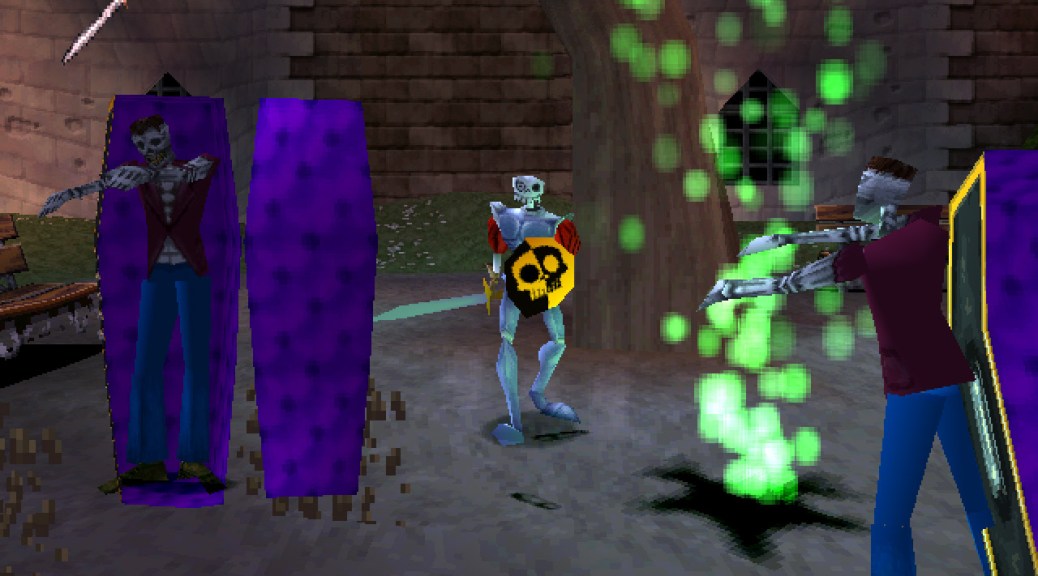
MediEvil 2, PlayStation
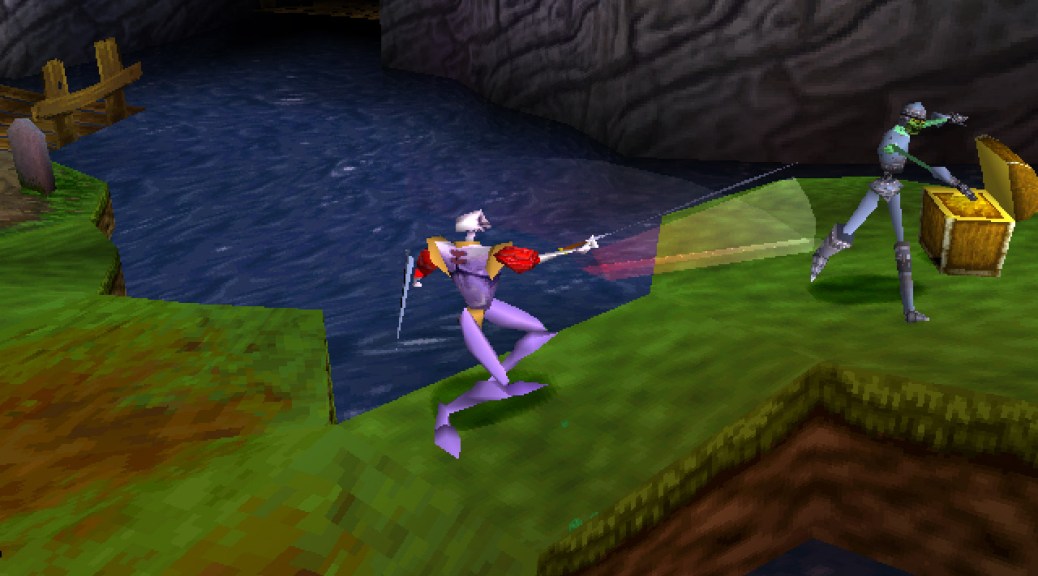
MediEvil 2 is the sequel to the classic PS1 game, MediEvil, and is the return of the skeleton warrior, Sir Daniel Fortesque. The game is this time set in Victorian England where Sir Dan must combat monsters and animated skeletons, resurrected by a meddling sorcerer who is trying to resurrect Zarok, the bad guy from the first game. Gameplay is mostly identical to MediEvil [one], but with a few tweaks here and there. MediEvil 2 was first published in 2000 and was developed by many of the same people who made the first game, at SCE Cambridge Studio in England.
MediEvil, PlayStation
MediEvil is a classic hack-and-slash action game developed by SCE Cambridge Studio and published by Sony in 1998. In it you play as the resurrected skeleton of Sir Daniel Fortesque, in the kingdom of Gallowmere, who has been inadvertently brought back from his eternal sleep to once again fight the evil sorcerer Zarok (voiced by the late Paul Darrow). As shown in the humorous introductory sequence, Sir Dan’s initial attempt at thwarting Zarok fell flat on its face and this is his shot at redemption.

Nosferatu, Super Nintendo
Nosferatu is a Prince of Persia-style platform game developed and published by SETA Corporation for the Super Nintendo in 1994. As SNES games go, it’s a pretty obscure title that not many people got to play at the time, but is worth unearthing and playing now if you like this type of game.

Devil’s Crush, PC Engine
Devil’s Crush is the sequel to the classic console pinball game Alien Crush, developed by Compile and first published for the PC Engine in 1990 by NAXAT Soft in Japan (as Devil Crash), NEC in North America, and Tengen in the UK. It is the second game in the Crush Pinball series.

Judge Dredd: Dredd vs. Death, GameCube
The Nintendo GameCube version of Dredd vs. Death was published by Evolved Games in North America and Sierra in Europe in 2003. It was developed by Rebellion, the owner of the 2000AD brand.
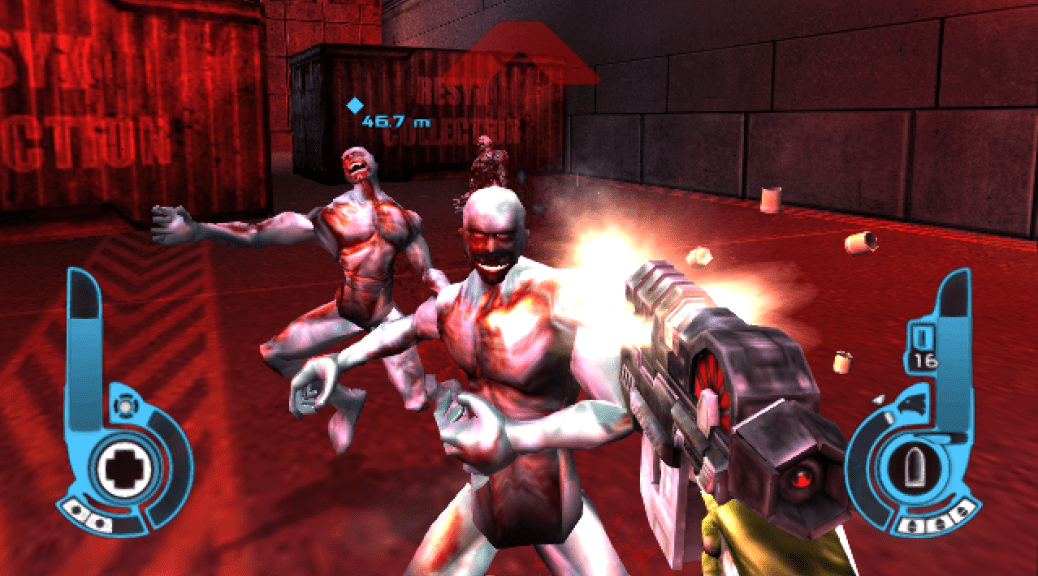
Judge Dredd: Dredd vs. Death is a first-person shooter that at least tries to make good use of the Judge Dredd license, and to a large extent it succeeds quite well.
Judge Dredd: Dredd vs. Death, PlayStation 2
Released in 2003 for PC, PlayStation 2, GameCube and XBox, Judge Dredd: Dredd vs. Death is a first-person shoot ’em up developed by Rebellion and based on the infamous 2000AD comic character of Judge Dredd. And – so far (at the time of writing) – it is really the only Judge Dredd game that does the source material any real justice (pun intended). The game is almost twenty years old now, but it’s still worth playing nowadays.
Continue reading Judge Dredd: Dredd vs. Death, PlayStation 2

