OutRun 2 SP on the PlayStation 2 is a conversion of the updated arcade game from Sega. It was developed by Sega in cooperation with UK-based Sumo Digital and was released in Japan only in 2004. Note, though, that a version of OutRun 2 SP was released in the West as part of a different game…
Tag Archives: Cult Hit
Godzilla: Destroy All Monsters Melee, GameCube
Godzilla: Destroy All Monsters Melee on the GameCube was developed by Pipeworks Software and published by Infogrames, under their Atari label, in 2002. The GameCube and Xbox were the only consoles to get this game, although the handheld Game Boy Advance got a version too.
Continue reading Godzilla: Destroy All Monsters Melee, GameCube
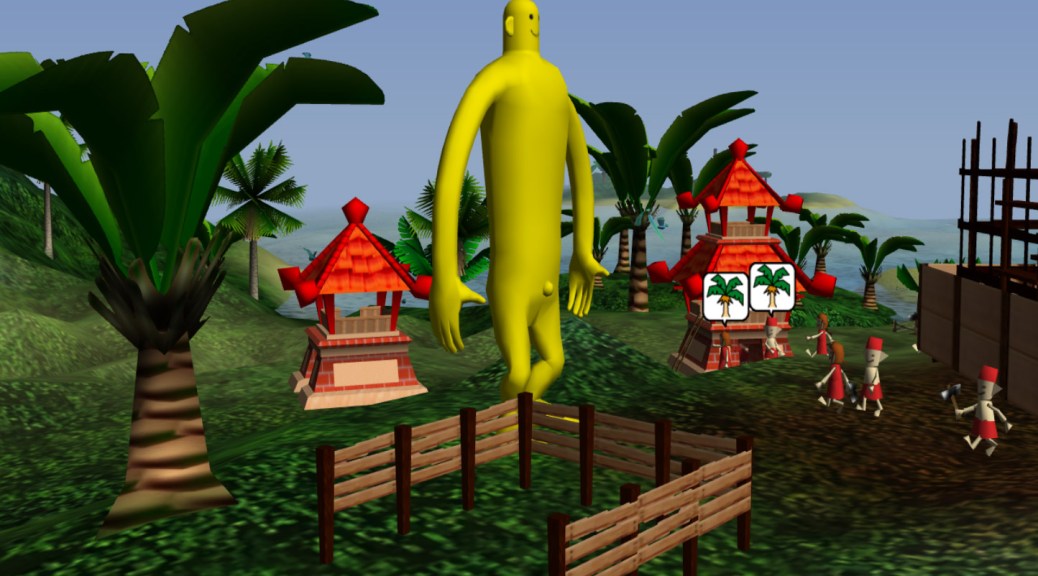
Doshin the Giant, GameCube
Doshin the Giant is one of those games where you ask yourself: “What am I playing? Am I a God? Or am I a turd? And is there any reason why I can’t be both of those things at the same time?! And is that my belly button or my cock? I hope it’s the former…”
It’s also a game where you can lose yourself in the tropical paradise that is the island you live on, because the sound effects, lighting and music are soothing and dreamlike…
Soulcalibur, Dreamcast
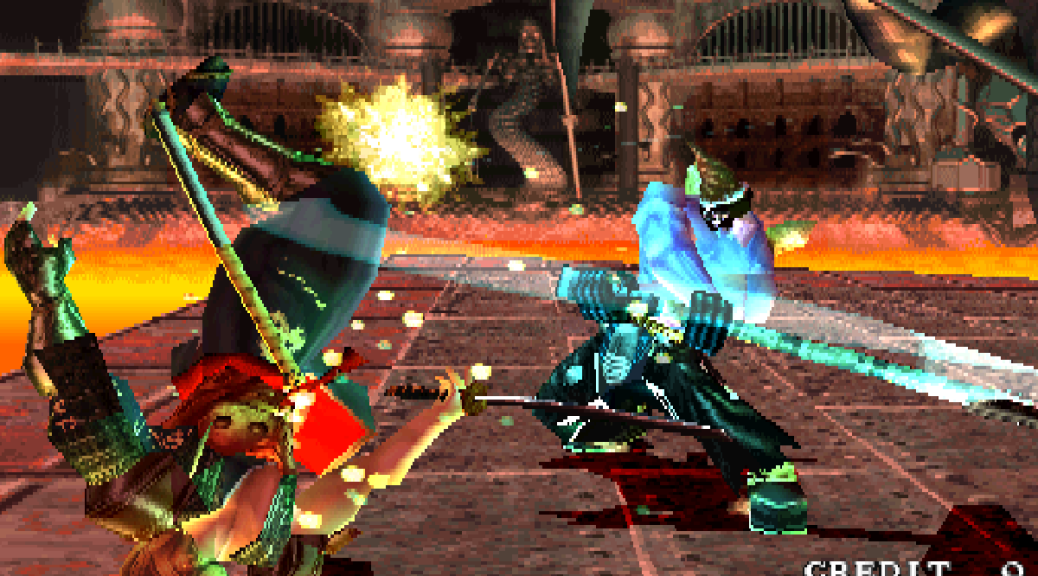
The Dreamcast version of Soulcalibur is an enhanced port of the 1998 arcade game by Namco. It was released worldwide in 1999 and features “ten new characters” and enhanced new graphics.
Soulcalibur, Arcade
After the arcade game, Soul Edge in 1996, and the PlayStation conversion of that game in 1998 (called “Soul Blade” in the West), came Soulcalibur in 1999. It was made available in arcades first, as a two-player cabinet, and did reasonably good business.
The basic storyline is about a group of fighters battling it out for possession of a mystical sword called “The Soul Edge“.
Salamander, Commodore 64
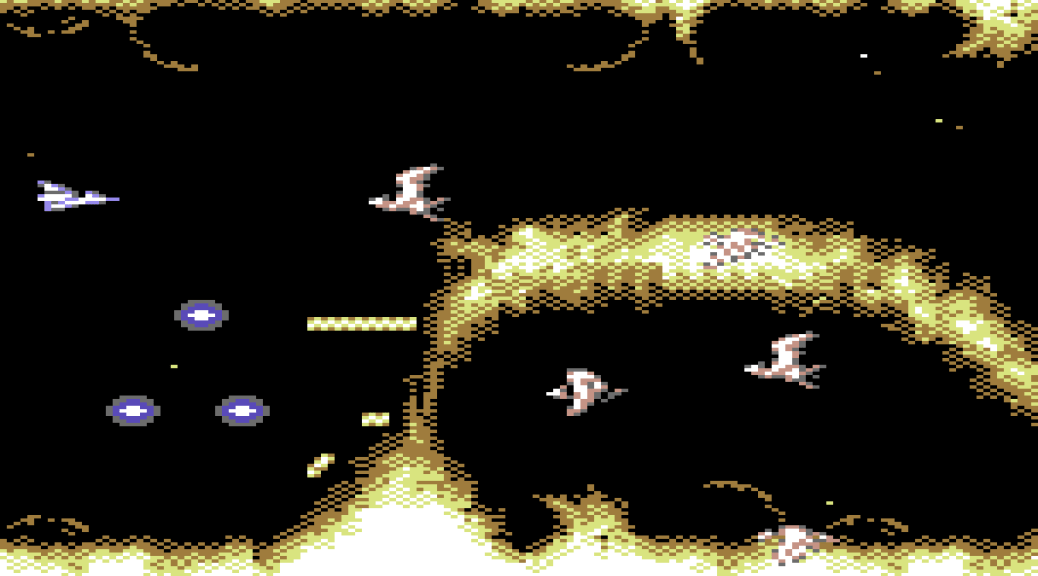
The Commodore 64 version of Konami‘s arcade hit, Salamander, was programmed by Peter Baron, with graphics by Bob Stevenson and music by Mark Cooksey. It was first published by Imagine Software in Europe in 1988, and Konami themselves in North America in 1989. It is considered by many to be the best 8-bit home computer version of Salamander, and it’s not difficult to see why…
Shinobi III: Return of the Ninja Master, Megadrive/Genesis
Shinobi III: Return of the Ninja Master is the second sequel in the Shinobi series, released by Sega – exclusively for the Megadrive/Genesis – in 1993. Shinobi III sees Sega slightly changing the focus of this famous platform/action game, with less emphasis on difficulty and more on the speed at which you play the game and the timings of your attacks. Which will be welcomed by some players.
Continue reading Shinobi III: Return of the Ninja Master, Megadrive/Genesis
The Revenge of Shinobi, Megadrive/Genesis
The Revenge of Shinobi (known in Japan as “The Super Shinobi“) is the 1989 Megadrive/Genesis sequel to the classic Sega arcade game. It once again features Joe Musashi, and takes place three years after the events of the first game. The criminal organization “Zeed” have reformed and have renamed themselves “Neo Zeed“, and they have decided to exact their revenge on the Oboro Ninja Clan by killing Joe’s master and kidnapping his bride, Naoko. So you must rescue your fiancée, and get revenge for the death of your master.
Shinobi, Sega Master System
The Master System conversion of Sega‘s 1987 arcade game, Shinobi, is arguably the best of its type on the console. The developers have obviously taken care to make the game play well and look as good as possible on Sega‘s 8-bit system.
Twinkle Tale, Megadrive/Genesis
Developed by ZAP Corporation and published by Wonder Amusement Studio (a subsidiary of Japanese record label Toyo Recording), Twinkle Tale is a scrolling ‘bullet hell’ shooter released exclusively for the Sega Megadrive, in Japan only, in 1992. Fan translations into English, Spanish and Korean exist, making the game accessible to a good proportion of the world outside Japan.