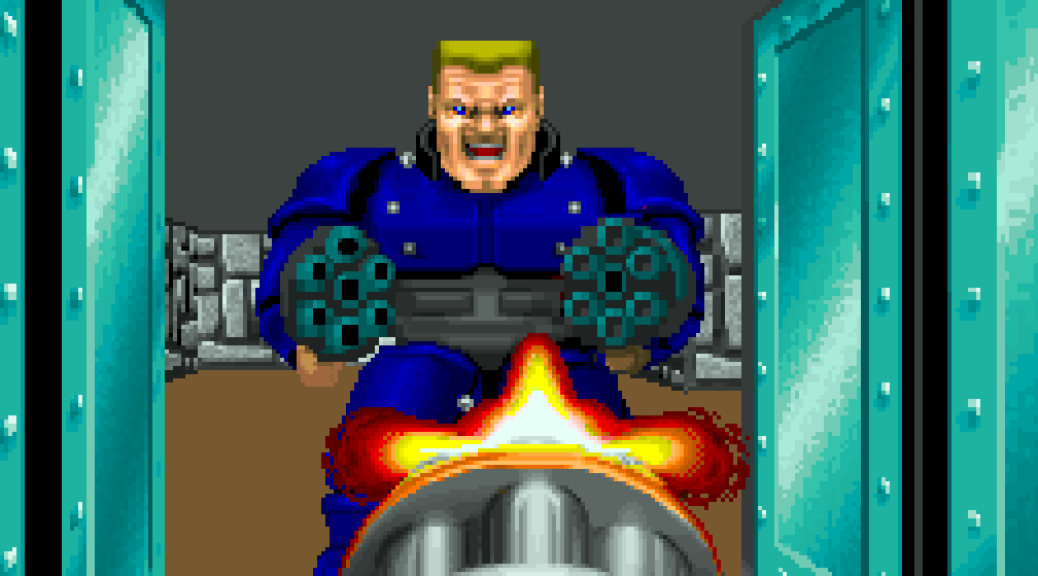
id Software‘s classic first-person shooter, Wolfenstein 3D, was ported to the Atari Jaguar by John Carmack and his by-then-famous band of merry programmers and artists, and – unsurprisingly – it’s an excellent conversion. The game was published by Atari Corporation in 1994.
Tag Archives: console
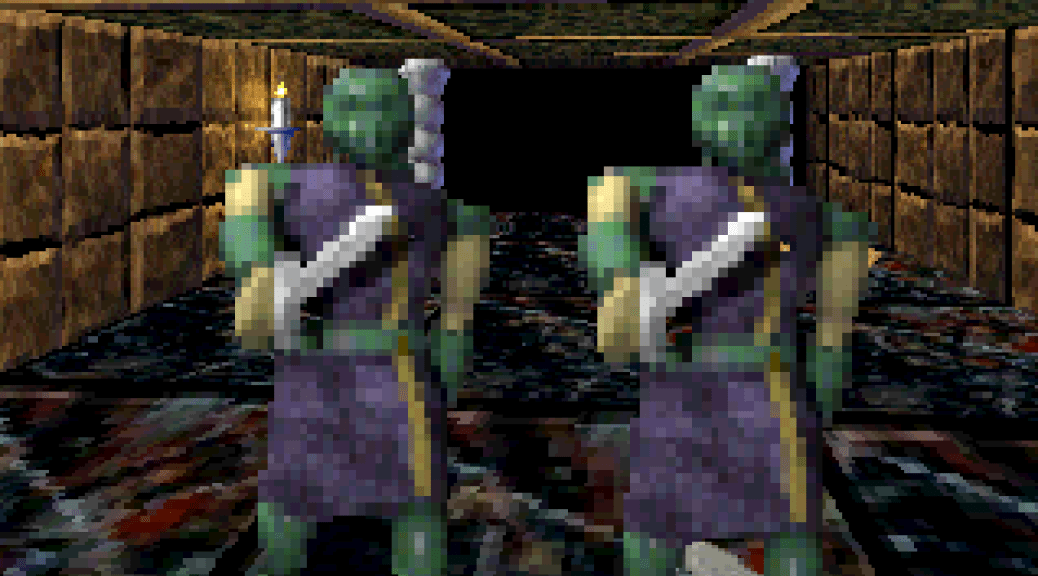
Towers II: Plight of the Stargazer, Atari Jaguar
Towers II: Plight of the Stargazer is a rarity on the Atari Jaguar – it’s a first-person 3D Role-Playing Game, in the style of Ultima Underworld, The Elder Scrolls: Arena, or the early King’s Field games, and it’s probably the only RPG that was ever officially released for the console. The game does look pretty grim, but thankfully plays better than it looks.
Continue reading Towers II: Plight of the Stargazer, Atari Jaguar

Total Carnage, Atari Jaguar
A conversion of the 1992 arcade shooter from Midway, the Atari Jaguar port of Total Carnage was developed by Hand Made Software and first published by Midway Manufacturing in 1995.

Syndicate, Atari Jaguar
Bullfrog‘s classic tactical action game, Syndicate, was published for the Atari Jaguar by Ocean Software in 1995, and while the game works well enough it does suffer a bit from the switch from mouse to gamepad controls.

Raiden, Atari Jaguar
Possibly the only good vertically-scrolling shooter on the Atari Jaguar, Raiden is a conversion of the 1990 Tecmo arcade game, but with a horizontal screen instead of a vertical one. The game was ported to the Jaguar by British company Imagitech Design and published by Atari Corporation in 1994.

Pitfall: The Mayan Adventure, Atari Jaguar
Pitfall: The Mayan Adventure is a scrolling platform game that is both a reboot of the original Pitfall! by David Crane and the fourth game in the Pitfall series. It was ported to the Atari Jaguar by British company Imagitech Design and published by Activision in 1995, having been released for the Megadrive/Genesis and Super Nintendo the previous year.

Missile Command 3D, Atari Jaguar
Missile Command 3D is an Atari Jaguar exclusive remake of Atari‘s classic 1980 arcade game, Missile Command, and it was developed by Virtuality Entertainment and first published by Atari Corporation in 1995.

Flashback, Atari Jaguar
Delphine Software‘s classic Flashback was ported to the Atari Jaguar and first released by US Gold in 1994. It is a close to perfect conversion of this superb platform adventure game.
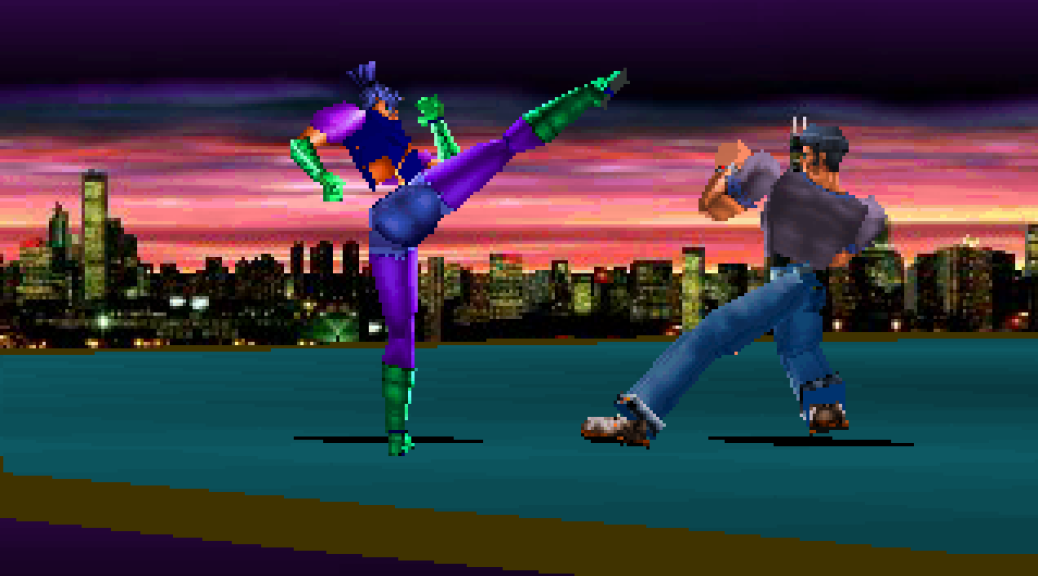
Fight For Life, Atari Jaguar
Fight For Life is a 3D fighting game, released exclusively for the Atari Jaguar in 1996. It was the final title to be developed and published by Atari Corporation before support for the Jaguar was withdrawn.
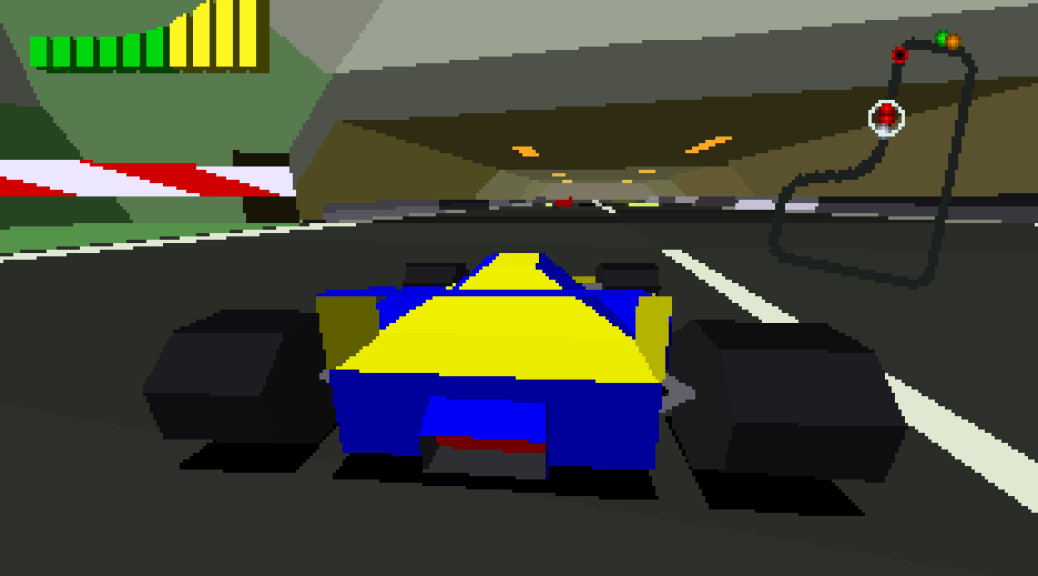
Checkered Flag, Atari Jaguar
Checkered Flag is a single-player Formula One racing game created by British company Rebellion Developments and published exclusively for the Atari Jaguar by Atari Corporation in 1994. It is a sequel to/remake of the Atari Lynx game of the same name and is similar in some respects to Sega‘s arcade game, Virtua Racing.

