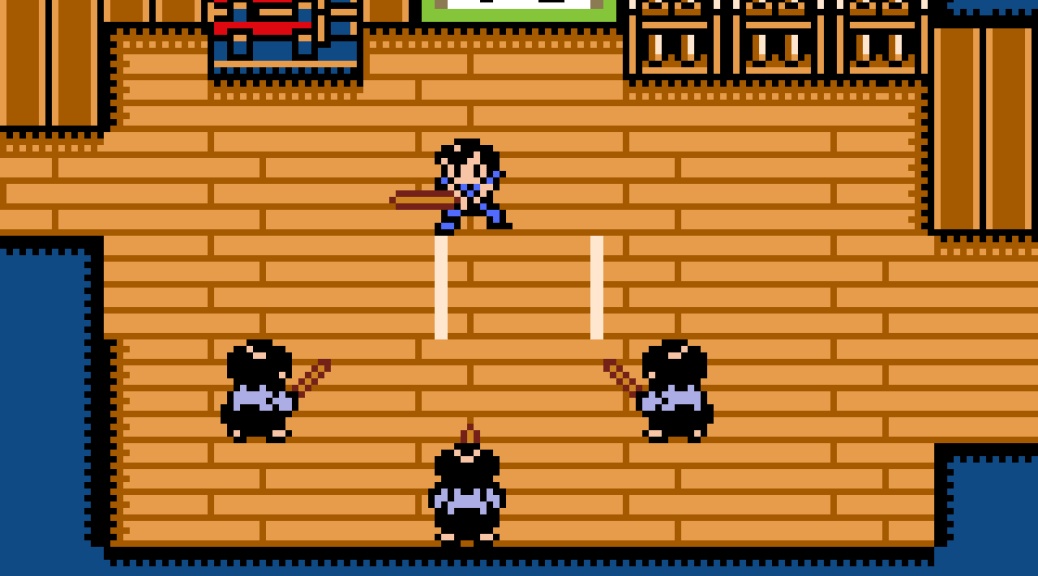
Not the infamous Ion Storm first-person failure (also known as John Romero’s Daikatana), but a Japanese, Zelda-style implementation of the Daikatana franchise on the Game Boy Color, first released in 2000.
And it is surprisingly good too!
Not the infamous Ion Storm first-person failure (also known as John Romero’s Daikatana), but a Japanese, Zelda-style implementation of the Daikatana franchise on the Game Boy Color, first released in 2000.
And it is surprisingly good too!
Chuckie Egg 2 is to Chuckie Egg what Jet Set Willy is to Manic Miner – it’s a platform game adventure with screens that can be re-visited, and routes that can be planned and executed, with some deft mapping and jumping.
For my money: THE best game on the Sega Megadrive/Genesis.
Sega‘s very own level-grinding RPG franchise comes to full fruition in this fourth instalment of the Phantasy Star series, first released in 1993.
Continue reading Phantasy Star IV: The End of the Millennium, Megadrive/Genesis
Nintendo‘s 2002 release of their tenth Legend of Zelda game (if you count Oracle of Seasons and Oracle of Ages as two games, which I do) was a real leap, in terms of graphical presentation.
Continue reading The Legend of Zelda: The Wind Waker, GameCube
Prince of Persia 2: The Shadow and the Flame was originally released for PC MS-DOS by Broderbund in 1993, but has a had a number of high def Apple-based remakes since.
Like the first Prince of Persia, The Shadow and the Flame is a side-on, Persian-infused action/platform game with sword fighting and fantasy elements.
Continue reading Prince of Persia 2: The Shadow and the Flame, PC
An excellent sequel to Little Big Adventure, once again developed by Adeline Software International and published by Electronic Arts, this time in 1997.
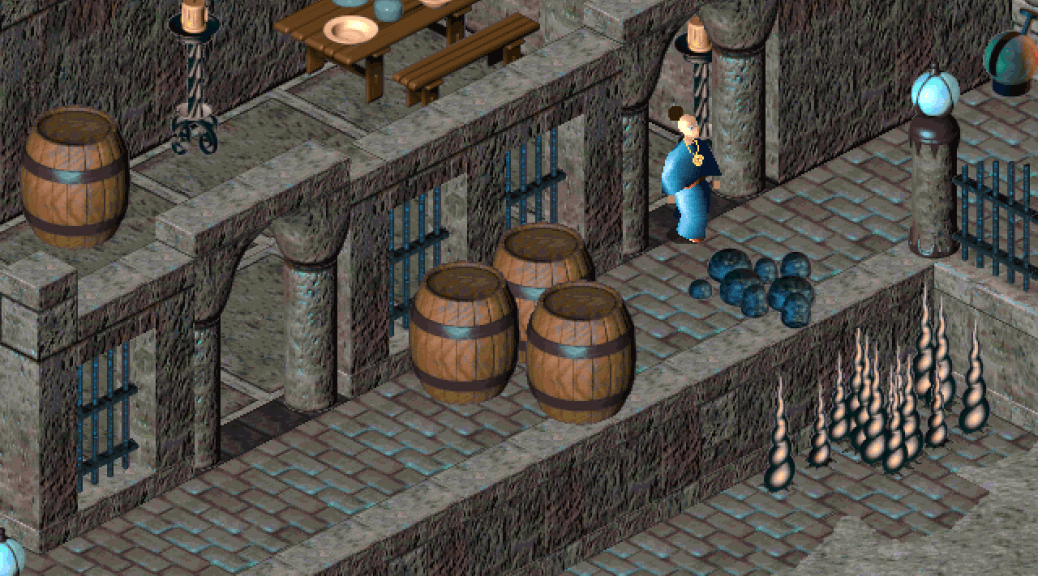
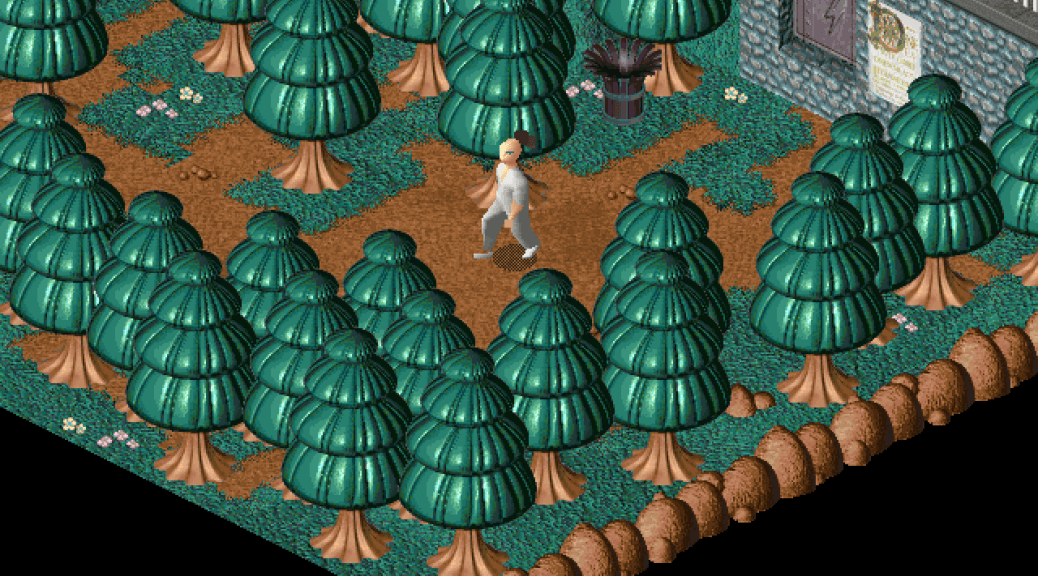
Little Big Adventure 2 is more detailed, more varied, and more fun than its predecessor, and, technically, it is also something of a leap forward – this second game having fully-rotating 3D exteriors, as well as the usual isometric, pre-rendered backgrounds seen in the first game.
French developer Adeline Software International created Little Big Adventure (or LBA as it is affectionately known), for Electronic Arts in 1994.
The game is an isometric 3D adventure, with simple beat ’em up combat elements, and features an interesting mix of pre-rendered backgrounds (popular at the time of release, but dating badly these days), and 3D polygonal characters.
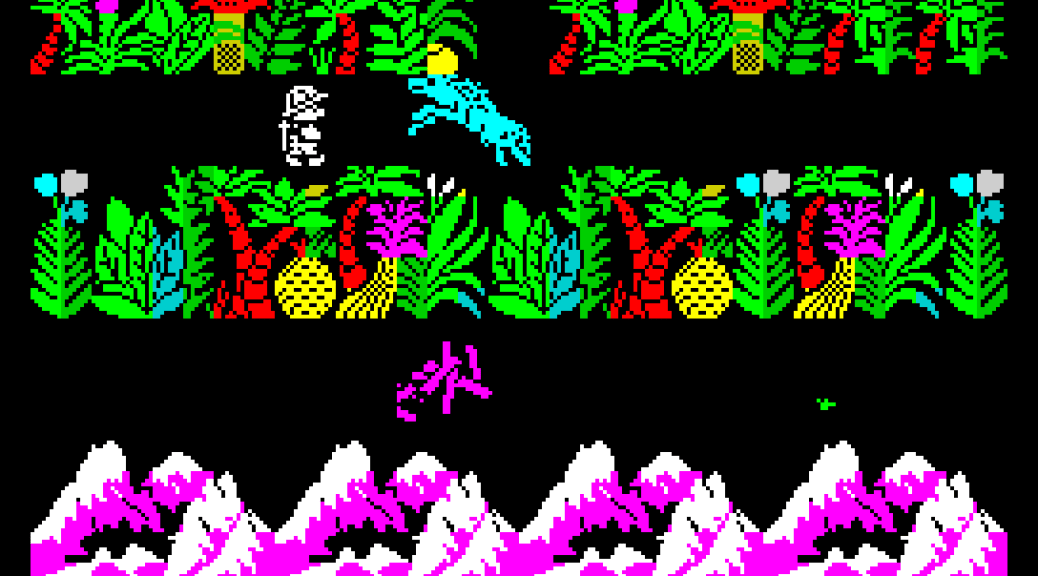
Ultimate Play The Game‘s iconic seventh release for the ZX Spectrum was first released in 1984.
Sabre Wulf is a colourful maze/action game, and was the first game to feature the lead character Sabreman.
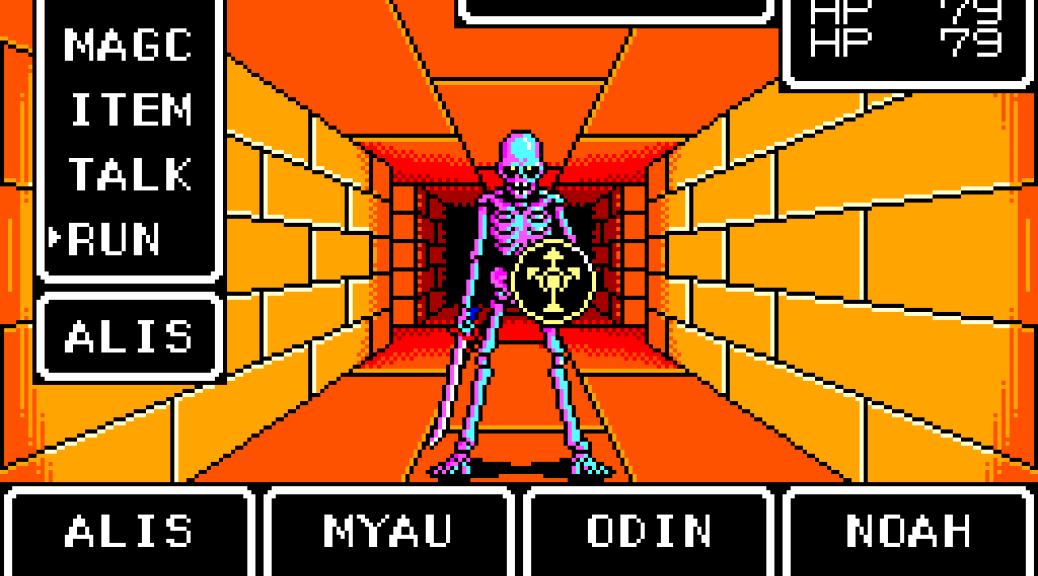
For me: THE stand-out title on the Sega Master System.
Phantasy Star is a solid – if rather basic – level-grinding RPG/adventure, and it went on to spawn a whole series of other games afterwards.
Qix was always a great arcade game, but turning the idea into an adventure for the Game Boy Colour was a stroke of genius for Taito.