
Released into video game arcades in 1987, Irem‘s side-scrolling shoot ’em up, R-Type, is considered by many to be the best of its type (pun intended).
Tag Archives: Pixel Art

Dynamite Dan II, ZX Spectrum
The sequel to the hit platform game Dynamite Dan, Dynamite Dan II: Dr. Blitzen and the Island of Arcanum is more than just a cheeky update of the first game – it is much bigger, much more involving, and much, much more varied.

Dynamite Dan, ZX Spectrum
Rob Bowkett‘s 8-bit platform game became an instant hit on the ZX Spectrum when it first came out in 1985.
Dynamite Dan had groundbreaking graphics (for the time) and was seen as a “Jet Set Willy-beater” by some. One thing is for sure: it had (still has) a lot of character. Especially in the main sprite of Dan.

Defender of the Crown, Amiga
The Amiga version of Cinemaware‘s classic Defender of the Crown is both beautiful to look at, and great fun to play. Actually, pretty much every version of Defender of the Crown I’ve played has been great, but the Amiga version is probably the most well-remembered. It was also the very first version of Defender of the Crown too – all the other versions followed later.
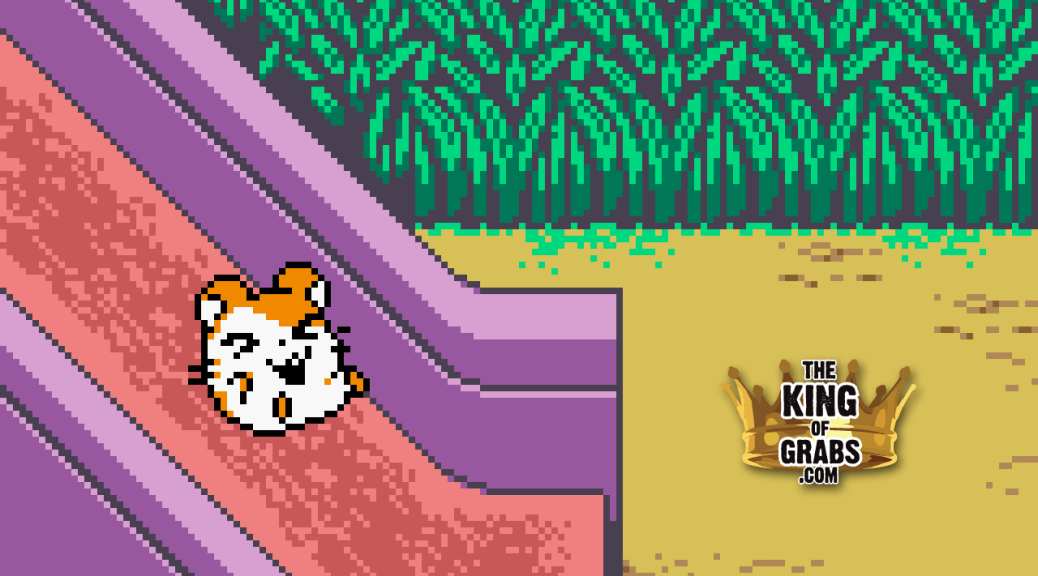
Hamtaro: Ham-Hams Unite!, Game Boy Color
Hamtaro is a series of video games based on a successful anime series for kids.
Ham-Hams Unite! is the first game in the series to receive an official English translation.

Lufia II: Rise of the Sinistrals, Super Nintendo
I was going to add a Final Fantasy game to our Super Nintendo special this week, but – you know what? – Final Fantasy on the SNES is messy, because of all the US and Japanese title discrepancies, so… Instead I’m going to pick this: probably my favourite turn-based level-grinder on the Super Nintendo – Lufia II: Rise of the Sinistrals.
Continue reading Lufia II: Rise of the Sinistrals, Super Nintendo

Addams Family Values, Super Nintendo
This British-made SNES game is something of a surprise coming from publisher Ocean Software – it’s not a platform game! Congratulations to them for NOT making it into one by the way…

Zombies Ate My Neighbors, Super Nintendo
This brilliant single and multi-player overhead shooter by LucasArts is a parody of every single horror and sci-fi film you’ve ever seen.
Chainsaws, zombies, UFOs, mummies, werewolves, demonic babies, spiders, shopping malls – you name it, the game will throw it at you during at least one of its 48 different stages.
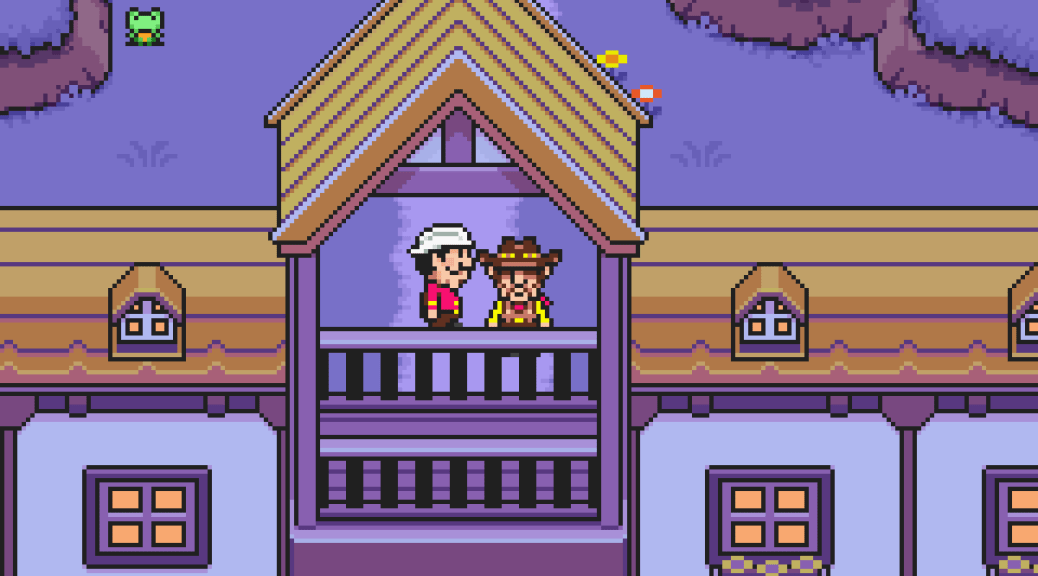
Mother 3, Game Boy Advance
The third and final game in the Mother series, Mother 3, was released in Japan only in 2006 for the Nintendo Game Boy Advance.
Nintendo published the game, with development by Brownie Brown and HAL Laboratory – directed by Nobuyuki Inhoue and written by series creator Shigesato Itoi.

EarthBound, Super Nintendo
This 1994 cult classic Super Nintendo level-grinder was originally titled “Mother 2” in its native Japan – later changed in English-speaking territories to EarthBound.
This was due to the fact that no one outside of Japan had seen the first Mother (released in 1989 on the NES) and the bigwigs at Nintendo of America worried that it might confuse people.

