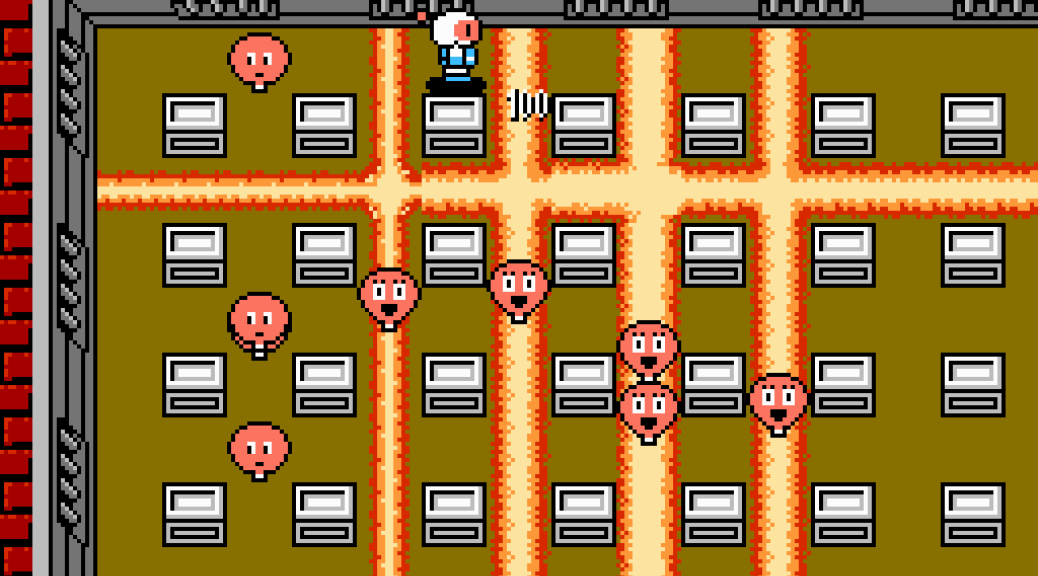
Released in 1991 in Japan and Europe, and in 1993 in North America, Bomberman II is the sequel to 1985’s Bomberman on the NES/Famicom, and it features improved graphics and a multiplayer mode for competitive games against other players (a first for the series). Bomberman II is more in line with the excellent PC Engine version of Bomberman, than anything radically different, and it does improve parts of the game considerably.
Tag Archives: Japanese
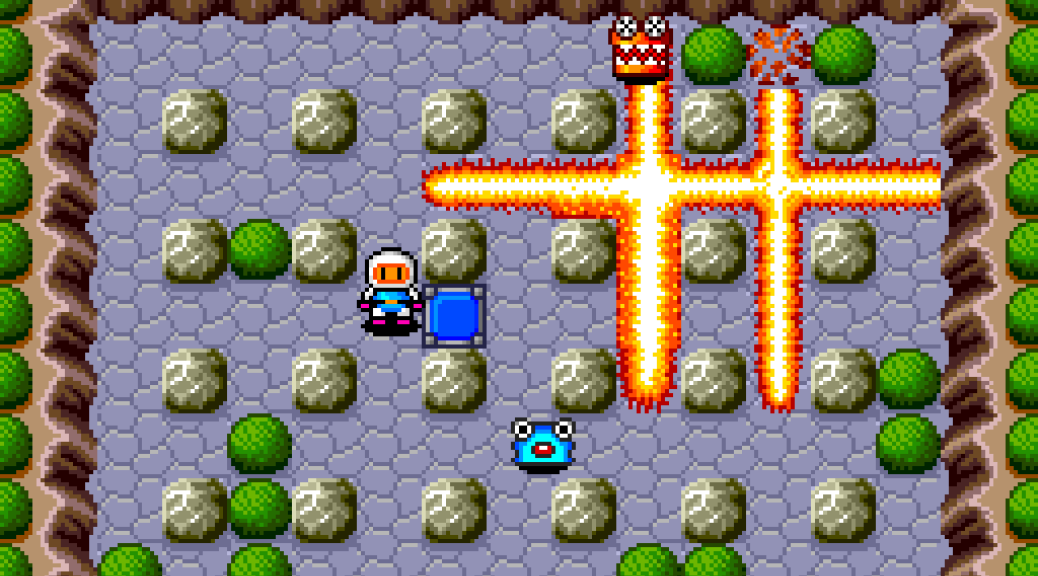
Bomberman, PC Engine
The PC Engine version of Bomberman was where this famous video game series really began to take off. It features enhanced graphics, sound and gameplay, further refining Bomberman into the more familiar ‘modern’ incarnation that most games-players know and love. Bomberman was released in Japan in 1990; in North America, for the TurboGrafx-16, by NEC Technologies in 1991, and in Europe by Ubisoft in 1992.

Bomberman Special, MSX
Bomberman Special on the MSX is an enhanced version of the original Bomberman, with elements incorporated from the 1985 NES/Famicom version of the game. It was first published by Hudson Soft in 1986.

Bomberman, NES/Famicom
The first NES/Famicom version of Hudson Soft‘s Bomberman was a significant enhancement of the Bomberman concept, and was the first game in the series to feature the famous Bomberman player character, with the white helmet (actually an enemy graphic taken and adapted from Hudson‘s 1984 Famicom port of Brøderbund‘s Lode Runner). Bomberman was released in 1985 in Japan, but wasn’t released in North America until 1989.

Bomberman, MSX
The very first release in the famous Bomberman series was this game – aka “Bomber Man” – which was developed and published by Hudson Soft, for the MSX, in 1983. This is basically a prototype of the Bomberman we know and love, that was to come some years later.

Croc 2, Game Boy Color
The Game Boy Color port of Croc 2 is a 2D version of the PlayStation sequel that was developed by Natsume and published by THQ in 2001.

Chase HQ, Sega Master System
The Sega Master System version of Taito‘s classic Chase HQ was first released in 1991, and it is a relatively poor approximation of the ground-breaking arcade game.
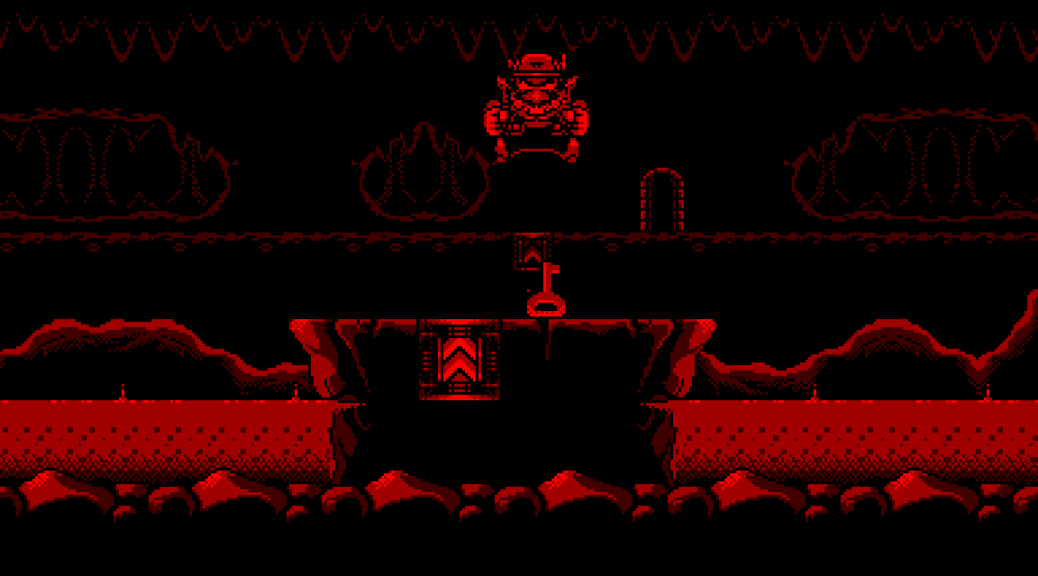
Wario Land, Virtual Boy
Wario Land on the Nintendo Virtual Boy (aka Virtual Boy Wario Land) was developed by Nintendo R&D1 and first released in 1995. It’s a platform game that was designed to utilise the Virtual Boy‘s stereoscopic 3D capabilities, and therefore features objects that swing in and out of the screen, and also allows the player (as Wario) to explore foreground and background areas.

Knights of the Round, Arcade
Knights of the Round is a three-player hack-and-slash arcade game, developed and distributed by Capcom in 1991. The fact that the developers – for whatever reason – neglected to include the word “Table” at the end of the title of their game hints at some hilariously bad translation, and plenty of terrible spelling mistakes, which is exactly what you get in this game…

Twinkle Tale, Megadrive/Genesis
Developed by ZAP Corporation and published by Wonder Amusement Studio (a subsidiary of Japanese record label Toyo Recording), Twinkle Tale is a scrolling ‘bullet hell’ shooter released exclusively for the Sega Megadrive, in Japan only, in 1992. Fan translations into English, Spanish and Korean exist, making the game accessible to a good proportion of the world outside Japan.
 The King of Grabs