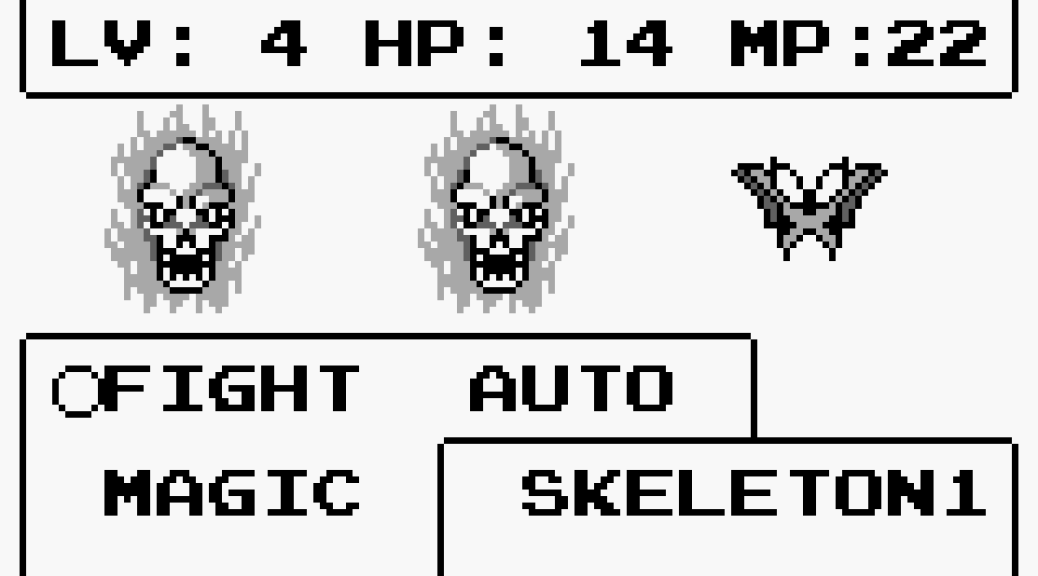
This first-person adventure/RPG was developed by KEMCO (a subsidiary of Kotobuki Engineering & Manufacturing Co.), and published by Seika Corporation in Japan, North America and Europe in 1989. In it, you play as Prince Theo, who is on a quest to challenge his insane, power-mad father for rule of the kingdom.
Tag Archives: Dungeon Crawler

Seal of the Pharaoh, 3DO
Seal of the Pharaoh is a first-person dungeon-crawler with a tomb-raiding ancient Egyptian theme. It was developed by System Sacom and published in 1994, exclusively for the 3DO, by ASK Kodansha in Japan and Panasonic in North America.

Dungeon Master Nexus, Sega Saturn
Released exclusively in Japan for the Sega Saturn in 1998, Dungeon Master Nexus is a 3D dungeon-crawler based on the classic 16-bit RPG, Dungeon Master. And although FTL Games – the American developer of the original Dungeon Master – have been credited with creating this game, they actually had no involvement in the production of it. Dungeon Master Nexus was developed entirely in Japan, by Victor Interactive Software, and a fan translation into English was released in Sept 2023.

Xanadu Next, PC
Xanadu Next was developed by Falcom and published for Windows PCs in Japan in 2005. It is a continuation of the Dragon Slayer series and a spin-off from Xanadu: Dragon Slayer II. The game remained untranslated into English until a worldwide release by XSEED Games in 2016. And I have to say: it’s a wonderful game, and is arguably the pinnacle of the long-running franchise.

Dragon Slayer: The Legend of Heroes, PC Engine
The Legend of Heroes is the sixth game in the Dragon Slayer series, and the first in The Legend of Heroes franchise. It was developed by Falcom and released initially for the PC-88 – in Japan – in 1989. The PC Engine CD version was localised into English by Hudson Soft and released for the TurboGrafx-CD in North America by Turbo Technologies in 1991. That’s the version I’m showing here.
Continue reading Dragon Slayer: The Legend of Heroes, PC Engine

Legacy of the Wizard, NES/Famicom
Legacy of the Wizard is the North American localisation of Dragon Slayer IV, released for the Nintendo Entertainment System by Brøderbund in 1989. It’s a fantasy-based platform/action game featuring a family of four heroes – and their pet – on a mission to retrieve a mystical sword and slay a dragon, inside a sprawling dungeon.

Dragon Slayer IV: Draslay Family, MSX
Originally released in Japan as “Dragon Slayer IV: Drasle Family“, the version I’m showing here is the fan-translated MSX2 version of the fourth game in the Dragon Slayer series. The game was developed and published by Falcom in 1987, and the fan translation was released by “MSX Translations” in 2010 under the title of “Dragon Slayer IV: Draslay Family“.

Xanadu: Dragon Slayer II, MSX
Xanadu: Dragon Slayer II (aka just “Xanadu“) is the 1987 sequel to 1984’s Dragon Slayer. It was developed and published by Falcom in Japan only, but the game is entirely in English so is playable by non-Japanese speakers/readers.
Xanadu is an action RPG that looks and plays similarly to Falcom‘s own Ys series, with side-scrolling town and dungeon sections and overhead, real-time combat taking place on a separate screen. Xanadu was a much bigger hit than its predecessor and was released in MSX and MSX2 versions.

Dragon Quest Monsters: Caravan Heart, Game Boy Advance
Released in Japan only, Dragon Quest Monsters: Caravan Heart was developed by TOSE Co., Ltd. and published by Enix in 2003 for the Game Boy Advance. It is the third game in the Dragon Quest Monsters series. A fan translation into English was released in 2008, making the game playable to non-Japanese speakers.
Continue reading Dragon Quest Monsters: Caravan Heart, Game Boy Advance
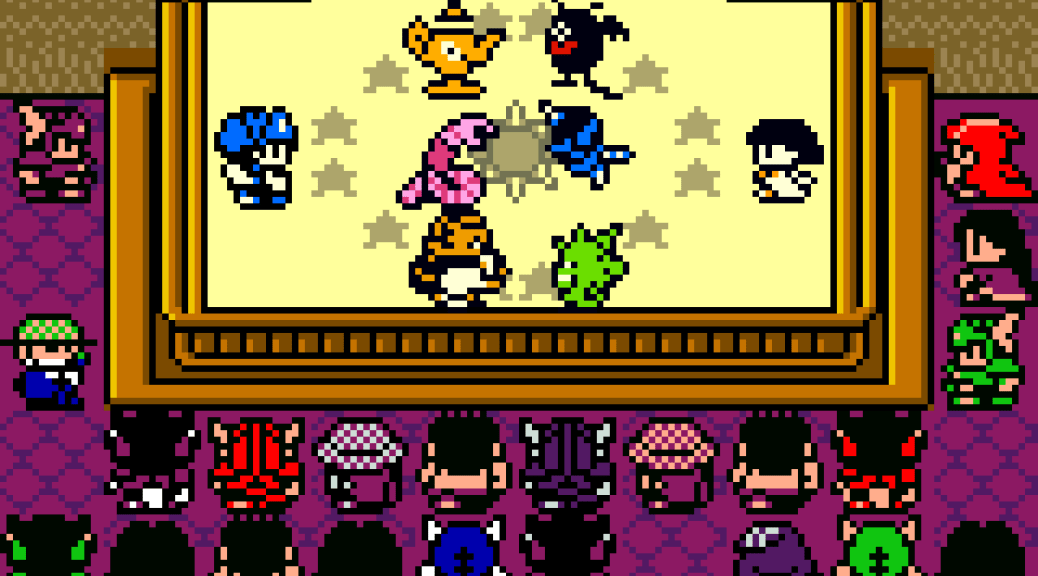
Dragon Warrior Monsters 2, Game Boy Color
Dragon Warrior Monsters 2 is the second game in the Dragon Quest spin-off series, which is a monster-collecting, training, breeding and combat style game in the tradition of Pokémon. It was developed by TOSE Co., Ltd. and was published exclusively for the Game Boy Color by Enix (Eidos in North America and Europe) in 2001.

