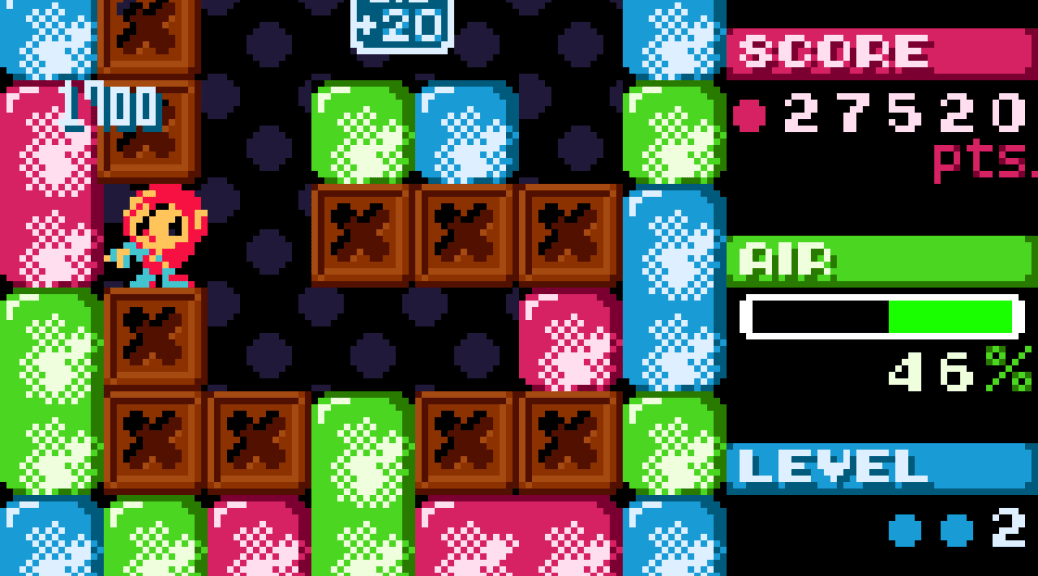
Mr. Driller on the Game Boy Color is just as good as its parent, with colourful, cute graphics, jolly tunes, and vertical digging action.

The Chaos Engine, Megadrive/Genesis
Developed by The Bitmap Brothers and published by Renegade Software in 1993, The Chaos Engine is an overhead scrolling shooter for one or two players.

R-Type III: The Third Lightning, Super Nintendo
This 1994 Super Nintendo exclusive (at the time) is half sequel, half remake of Irem‘s classic arcade shooter, R-Type.
Continue reading R-Type III: The Third Lightning, Super Nintendo

Druid, Commodore 64
Druid is a neat overhead magic action game developed by Electralyte Software for Firebird Software and published in 1986.
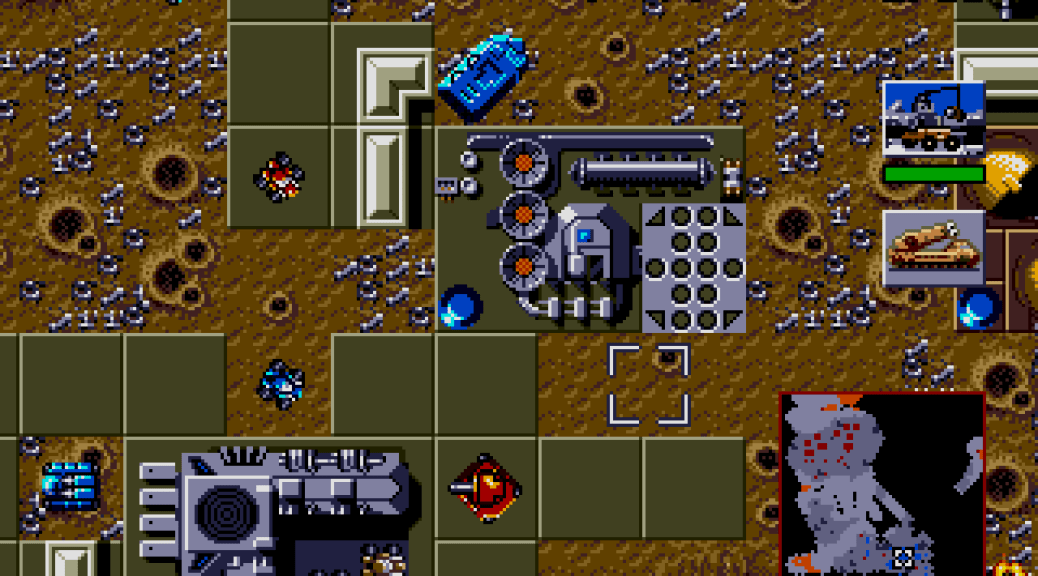
Dune: The Battle For Arrakis, Megadrive/Genesis
A 1993 potboiler hit, Dune: The Battle For Arrakis is a real-time strategy game based on the famous Frank Herbert novel, and one of a number of successful games based on that famous book, and developed by Las Vegas-based Westwood Studios.
Continue reading Dune: The Battle For Arrakis, Megadrive/Genesis

Dune II: The Battle For Arrakis, Amiga
The Amiga version of Westwood Studios‘ classic Real-Time Strategy (RTS) game, Dune II, came out in 1993 – not long after the MS-DOS version.

Ganbare Goemon, MSX
Ganbare Goemon is the MSX predecessor to the amazing Super Nintendo game Legend of the Mystical Ninja, created by Konami.
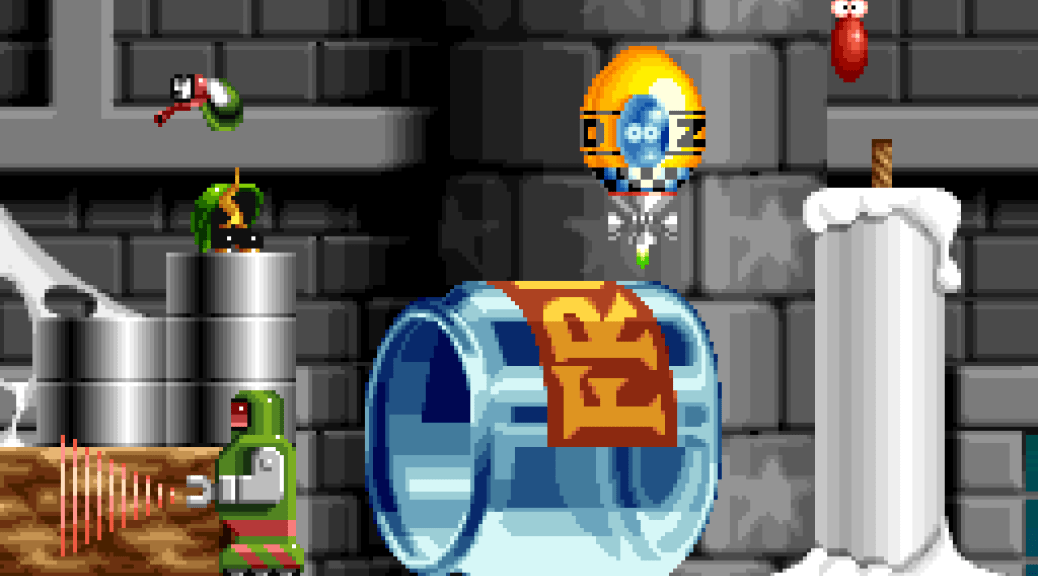
Putty Squad, Super Nintendo
Putty Squad is the sequel to the Amiga game, Putty, and was developed by System 3 and published by Ocean Software for the Super Nintendo in 1994.

Godzilla: Battle Legends, PC Engine
Hudson Soft developed Godzilla: Battle Legends on the PC Engine, for Japanese movie studio Toho in 1993. It is an energetic 2D beat ’em up with characters featured from the infamous series of monster films.

Fortnite, PC
A game that needs no introduction in this day and age – Fortnite is Epic Games‘ popular survival online shooter; a game that has taken the world by storm and a game that virtually every games-player has heard about (whether they’ve played it or not). It was first released in 2017 and currently has approximately 200 million active players worldwide. The numbers are unheard of…
 The King of Grabs