
Sega‘s 1984 arcade hit Bank Panic is a simple reaction game where you play the role of a bank clerk who must answer the various doors in a bank to serve customers, some of whom are genuine and some of whom are bandits.
Tag Archives: Sega

The Chaos Engine, Megadrive/Genesis
Developed by The Bitmap Brothers and published by Renegade Software in 1993, The Chaos Engine is an overhead scrolling shooter for one or two players.
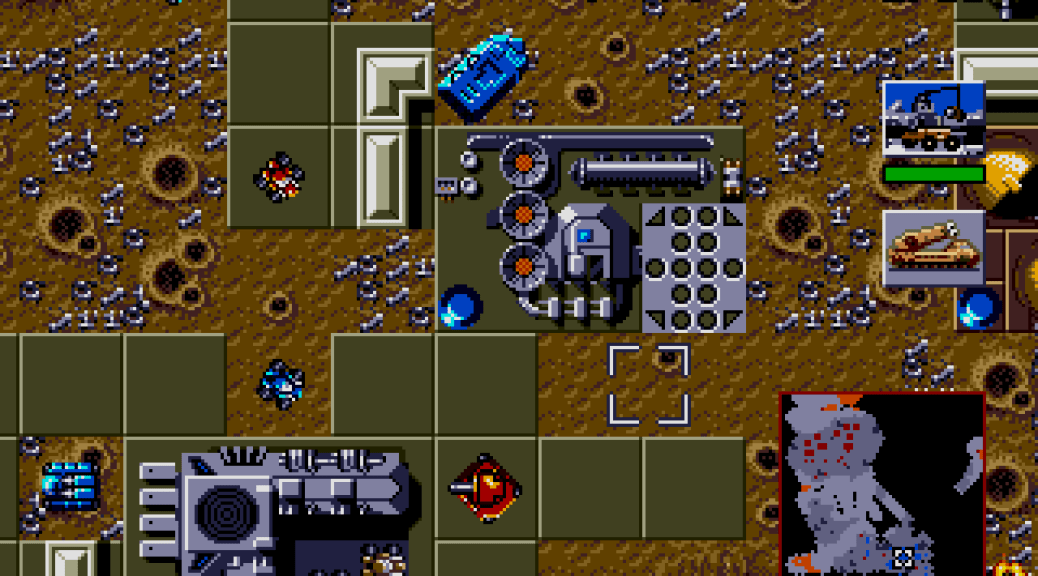
Dune: The Battle For Arrakis, Megadrive/Genesis
A 1993 potboiler hit, Dune: The Battle For Arrakis is a real-time strategy game based on the famous Frank Herbert novel, and one of a number of successful games based on that famous book, and developed by Las Vegas-based Westwood Studios.
Continue reading Dune: The Battle For Arrakis, Megadrive/Genesis

Alex Kidd in Miracle World, Sega Master System
My personal favourite of the Alex Kidd Sega Master System games – Miracle World was first released in 1986.
Continue reading Alex Kidd in Miracle World, Sega Master System

Super Hang-On, Atari ST
Sega‘s Super Hang-On was a full-sized bike arcade machine, that you sat on, and rocked side to side to steer the bike. It was first released into arcades in 1987 and this 16-bit conversion followed a year later in 1988.
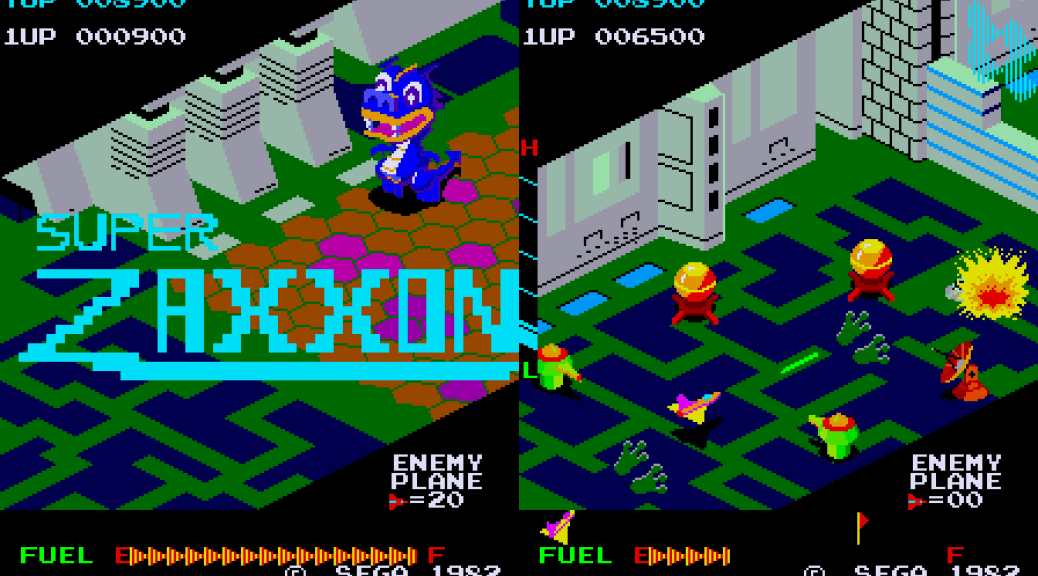
Super Zaxxon, Arcade
Sega wasted little time making a sequel to Zaxxon, its groundbreaking isometric shooter from 1981.

Zaxxon, Arcade
Sega‘s Zaxxon is an early arcade shooter that broke the mould. It was first released in 1982.
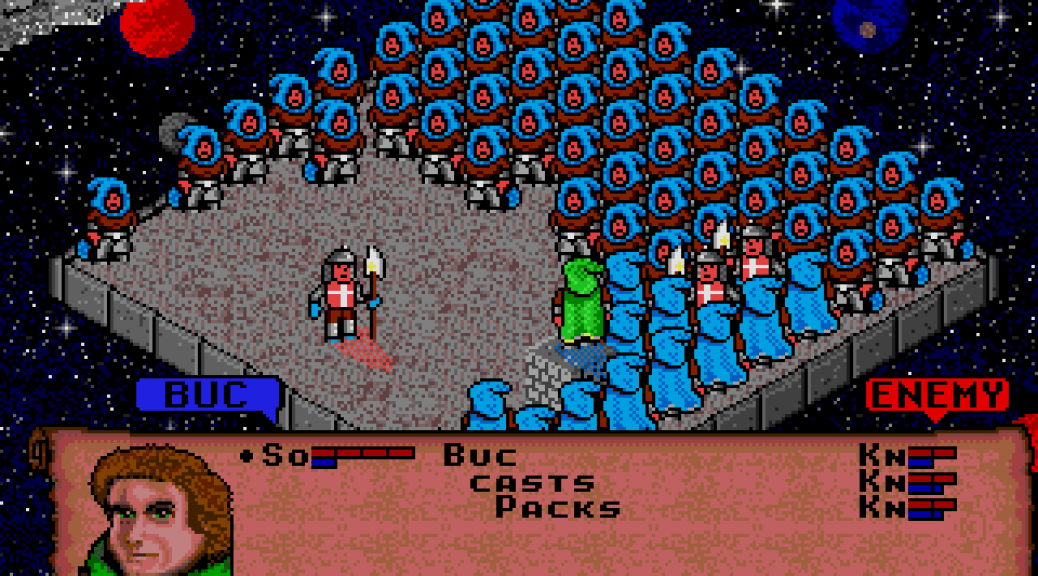
Rings of Power, Megadrive/Genesis
Rings of Power is an isometric Role-Playing Game developed by Naughty Dog and published by Electronic Arts for the Sega Megadrive in 1991.
Unlike many RPGs of the time, Rings of Power is very open-ended.
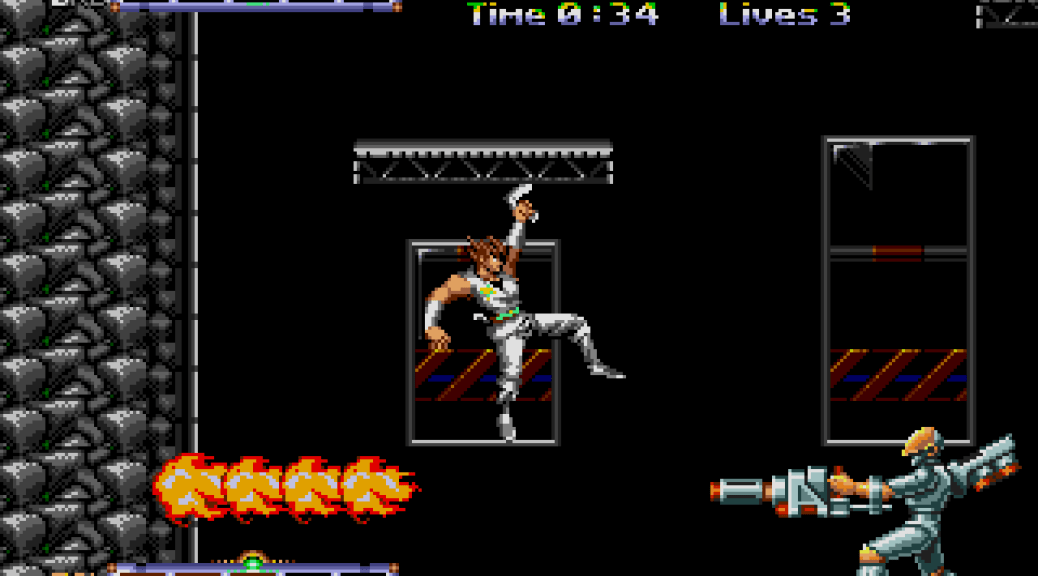
Strider II, Megadrive/Genesis
Strider II is a console-only sequel to the great Capcom arcade game of 1989. It was developed by British company Tiertex and published by U.S. Gold in 1990. A Sega Megadrive version followed later in 1992.
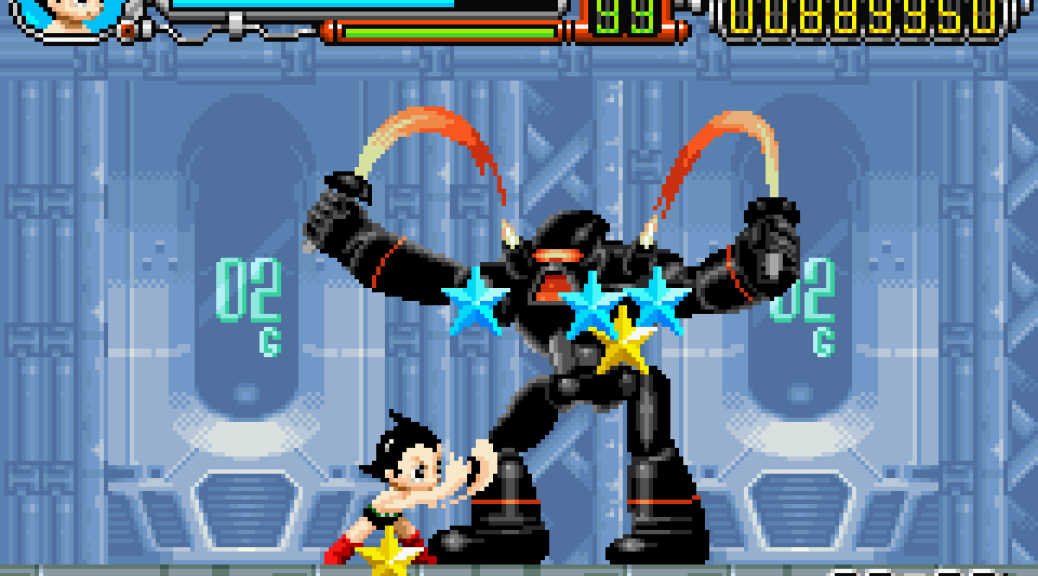
Astro Boy: Omega Factor, Game Boy Advance
Astro Boy: Omega Factor is a fun and visually spectacular scrolling beat ’em up on the Nintendo Game Boy Advance.
The game was created by famous Japanese development house, Treasure – in association with Hitmaker – and was published by Sega in 2003.
 The King of Grabs