
Baten Kaitos: Eternal Wings and the Lost Ocean is a brilliant Final Fantasy-style, level-grinding RPG, initially released by Namco on the Nintendo GameCube in 2003.
Continue reading Baten Kaitos: Eternal Wings and the Lost Ocean, GameCube
Baten Kaitos: Eternal Wings and the Lost Ocean is a brilliant Final Fantasy-style, level-grinding RPG, initially released by Namco on the Nintendo GameCube in 2003.
Continue reading Baten Kaitos: Eternal Wings and the Lost Ocean, GameCube
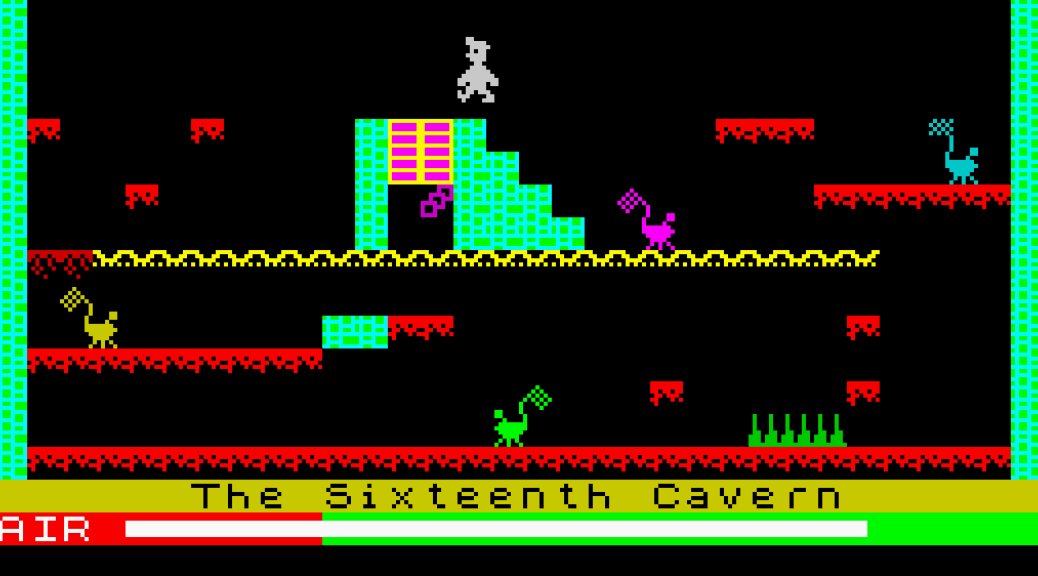
Here are all the screens from Matthew Smith‘s original classic ZX Spectrum platform game (and sequel to Manic Miner), Jet Set Willy. All 61 of them. Plus the ending after completing the game.
All 20 screens of Matthew Smith‘s ground-breaking 1983 ZX Spectrum platform game, Manic Miner!
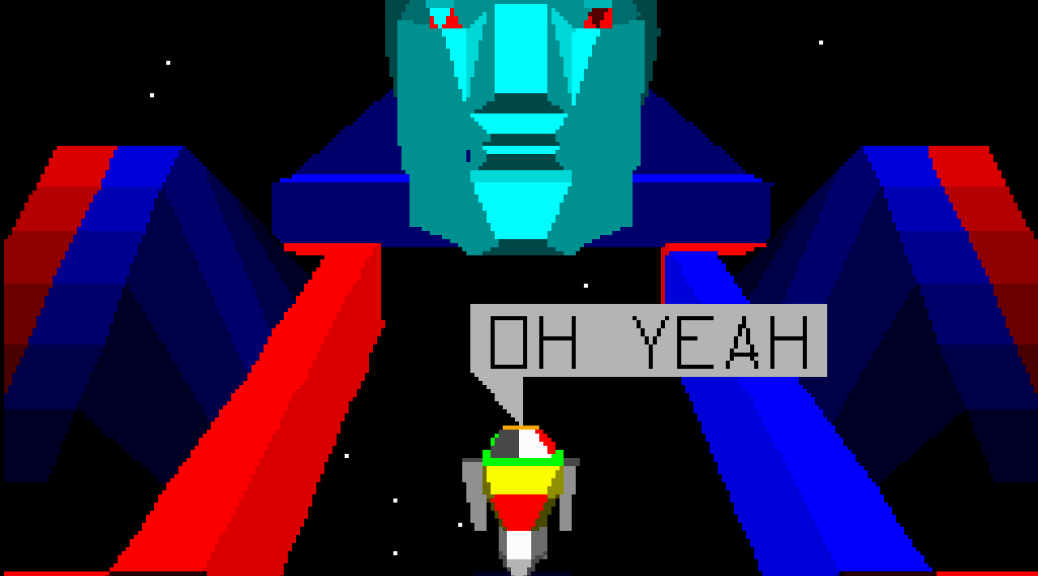
Atari’s 1984 arcade hit I, Robot was the ever first video game to use 3D polygonal graphics in its presentation.
David Lubar‘s relatively obscure 1984 classic, Pastfinder, is a weird vertically-scrolling shooter in which you control a spider-like craft that can crawl, shoot and jump, and you must explore a radioactive landscape picking up artefacts from a mysterious planet.
Novagen‘s classic 3D exploration game, Mercenary, was first released for the Commodore 64 in 1985. It was designed and coded by Paul Woakes.
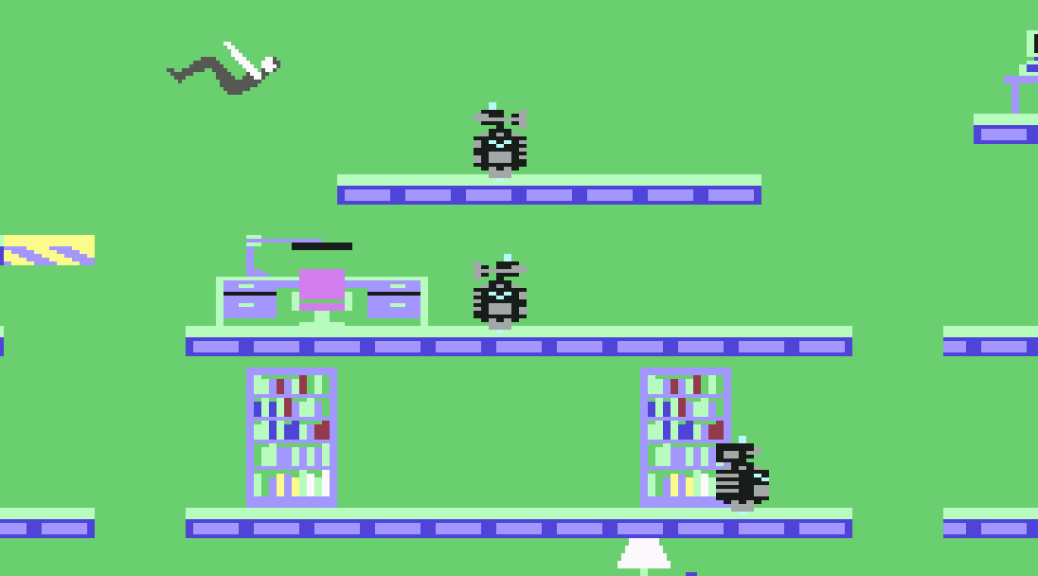
Dennis Caswell‘s brilliant 1984 platform game, Impossible Mission, has lost little of its appeal over the decades. There is something so gloriously timeless about it, and the challenge it presents is difficult, but do-able.
LucasFilm Games‘ classic space shooter, Rescue On Fractalus, was first released on Atari 8-bit computers in March 1984, and this Commodore 64 version came a year later, in 1985.
Racing Destruction Set was an early Commodore 64 release for Electronic Arts, first released in 1985.
I’d consider it a timeless classic – especially among C64 race games.
There isn’t a great deal of information around about Uridium Plus. Like: whether this version has any technical enhancements (like Heavy Metal Paradroid does), or not. I have vague recollections that this version was somehow technically better, although I could be wrong. It’d be nice to know…





 The King of Grabs