
Released in 1983 by Sierra On-Line, Ultima on the Atari 8-bit is more archaic and frustrating than the original Apple II version. And it looks pretty awful too, with a real lack of colour – especially in towns where the game is in monochrome unless you play on a machine (and monitor) that supports “artifacting“. In artifacting mode the dungeon and town graphics look similar to Apple II graphics, but they don’t really take advantage of the Atari‘s superior graphics capabilities.
Tag Archives: gold

Ultima, Apple II
The original 1981 Apple II version of Richard Garriott‘s Ultima was the first version of Ultima ever released. It was published by California Pacific Computer and is a stripped-down version of the more widespread re-release version put out by Origin Systems in 1986 (which can be seen here).

Shining Force: Resurrection of the Dark Dragon, Game Boy Advance
Shining Force: Resurrection of the Dark Dragon is a 2004 handheld remake of the Megadrive/Genesis game Shining Force: The Legacy of Great Intention. It features an expanded plot, three new playable characters, three new battles and various other tweaks to the gameplay.
Continue reading Shining Force: Resurrection of the Dark Dragon, Game Boy Advance
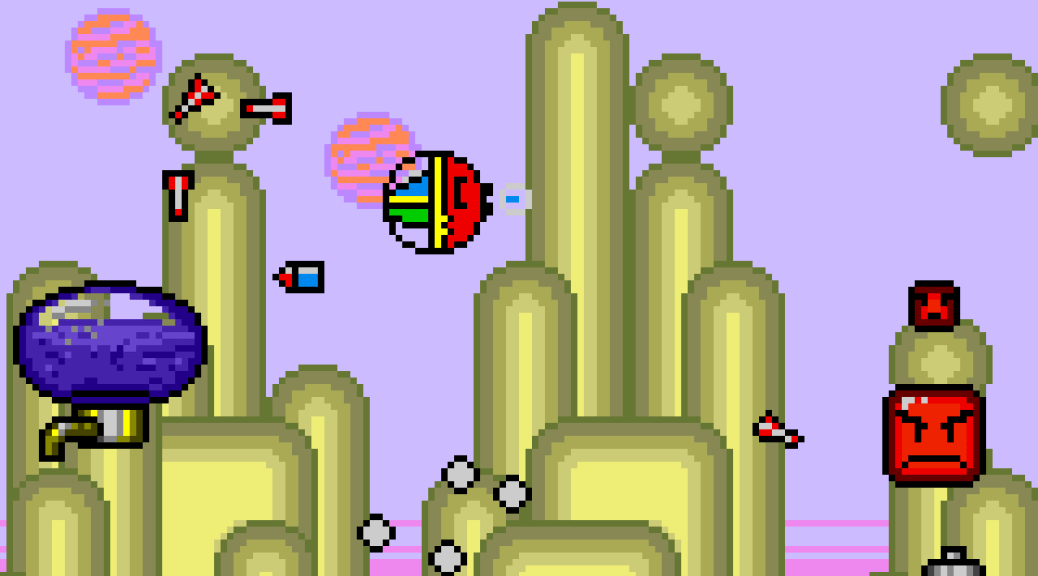
Fantasy Zone, Game Gear
Also known as Fantasy Zone Gear, this handheld conversion of the 1986 arcade game was first released in 1991 and was developed by Sanritsu and published by Sega.
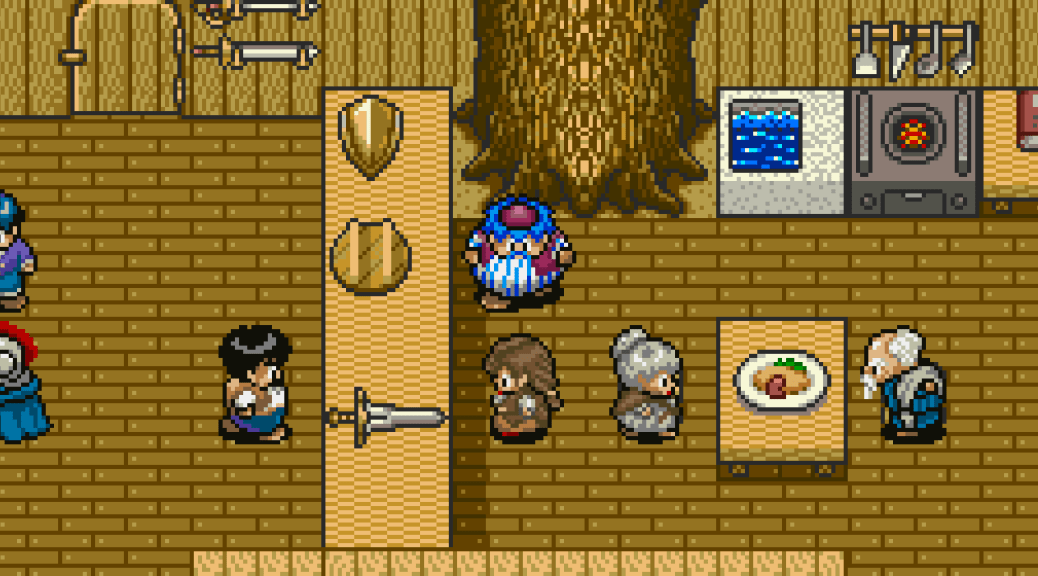
Torneko no Daibōken: Fushigi no Dungeon, Super Nintendo
Torneko no Daiboken: Fushigi no Dungeon (translating as “Torneko’s Great Adventure: Mystery Dungeon“) is the first game in the Mystery Dungeon series from Chunsoft, the developer known for creating the Dragon Quest series. It is a ‘Roguelike‘ dungeon-crawler, with randomised maze-like dungeons and was first released in 1993.
Continue reading Torneko no Daibōken: Fushigi no Dungeon, Super Nintendo

Pitfall II: Lost Caverns, Atari 8-bit
This Atari 8-bit conversion of David Crane‘s classic Atari 2600 platform game is subtitled the “Adventurer’s Edition” because it contains a whole new second level that becomes available after you complete the first.

Pitfall II: Lost Caverns, Atari 2600
Activision‘s 1984 sequel to Pitfall! – Pitfall II: Lost Caverns – was again designed and programmed by David Crane. This time, though, the cartridge had a custom display processor chip inside, which allowed for improved visuals and continuous four channel music (the Atari 2600 is normally only capable of two channel sound).
Gameplay is similar to Pitfall!, although in this follow-up the world you can explore is much bigger than previously and is made up of eight screens in width, by 27 screens in height, making 216 screens in total. When you walk from one screen to another the new screen scrolls smoothly into view.

Treasure Trap, Atari ST
Treasure Trap is an isometric platform adventure developed by Doodlebug Designs and published by Electronic Zoo in 1989. It was released for both the Amiga and the Atari ST and it is the ST version that I’m looking at today.
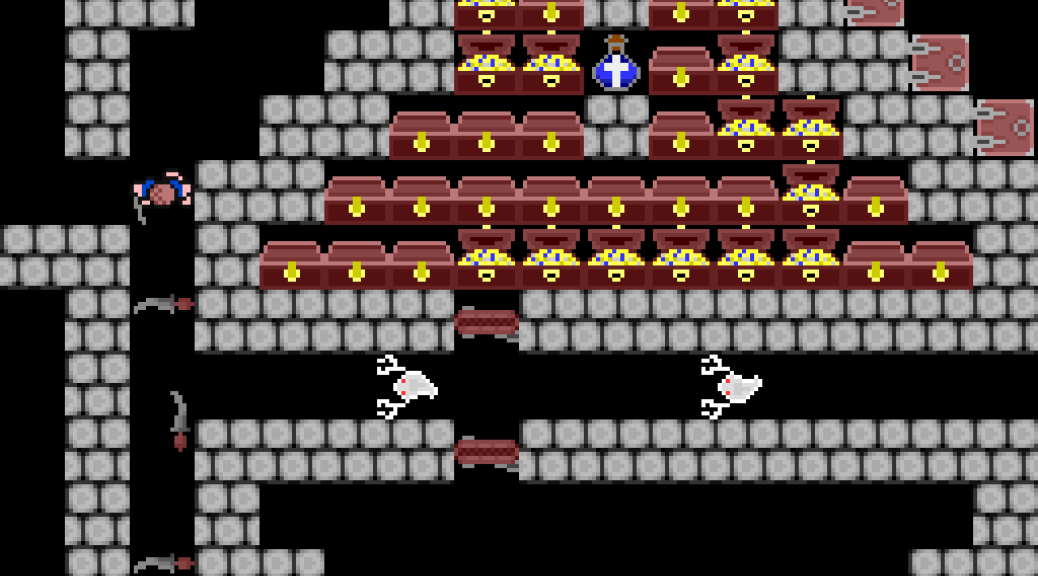
Castle Blackheart, Archimedes
Castle Blackheart is an interesting maze action game where you play a knight fighting his way through a maze of monsters, trying to find pieces of a scroll and also keys to open doors that’ll allow him to escape to the next level.

Forty Niner, ZX81
This 1983 release from Software Farm broke new ground on the Sinclair ZX81. You see: graphics on the ZX81, before Forty Niner, consisted of chunky basic graphics and ASCII symbols, because the machine wasn’t really capable of anything else. Or so the world thought…
 The King of Grabs