
The Japanese Megadrive release of Marble Madness is completely different to the North American and European release of the game and was developed and published by Tengen in 1993. It is far superior to the Western Megadrive/Genesis release and is more authentic to the arcade original. In fact: it is very, very close to the arcade game, in terms of graphics, sound and gameplay. If you didn’t know that the Japanese version of the game was different, I’d recommend checking it out as it may shock you to find out how good it is…
Tag Archives: Cult Game

Marble Madness, Megadrive/Genesis
Did you know that there are two completely different versions of Marble Madness on the Megadrive/Genesis? The European Megadrive and North American Genesis versions of Marble Madness were published by Electronic Arts in 1991. They were coded by Michael Schwartz, with sound and music by Steve Hayes, and while they’re excellent ports of the classic arcade game, they’re nowhere near as good as the superior Japanese version, which is a completely different game.

Marble Madness, NES
The NES conversion of Marble Madness was developed by Rare and published by Milton Bradley, in North America and Europe, in 1989. I don’t think the game was ever released in Japan, though. And it’s a very good port, with some small enhancements and decent controls and playability.
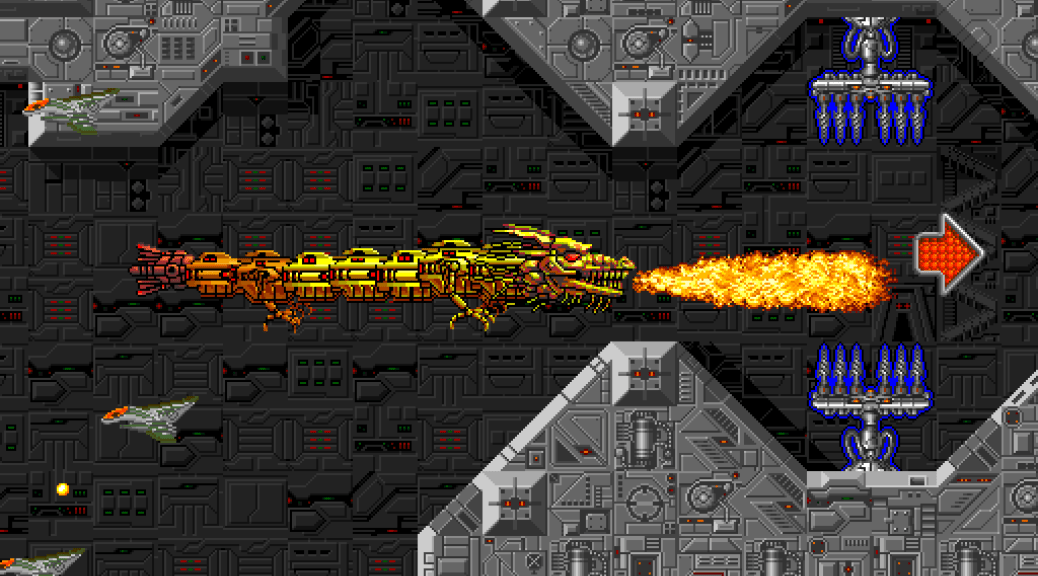
Syvalion, Arcade
Released into arcades by Taito in 1988, Syvalion is a strange-but-interesting scrolling shooter in which you control a golden metal dragon (called “Mechadragon“) that must fight its way to the end of a series of mazes within a time limit. The dragon can breathe fire to destroy enemies and must pick up power-ups, or move quickly without firing, to keep its flame breath bar filled. At the end of each stage is a boss battle which you need to win to progress.

Marble Madness, Amiga
The Amiga version of Atari Games‘ classic arcade game, Marble Madness, was converted by Larry Reed and published by Electronic Arts in 1986. It is one of those relatively early 16-bit ports that is a little rough around the edges, presentation-wise, but plays perfectly well.

Castlevania III: Dracula’s Curse, NES/Famicom
The third game in the Castlevania series, Castlevania III: Dracula’s Curse, was first released for the Nintendo Famicom in 1989 in Japan (under the title of “Akumajō Densetsu“). A North American NES release followed in 1990, and a European release in 1992.
Continue reading Castlevania III: Dracula’s Curse, NES/Famicom

Castlevania II: Simon’s Quest, NES/Famicom
The second game in the Castlevania series, Castlevania II: Simon’s Quest, was originally released in Japan (as “Dracula II – Noroi no Fuuin“) for the Famicom Disk System in 1987, and in North America for the NES in 1988. Europe had to wait until 1990 for a release of the game.

Doom, Sega Saturn
The Sega Saturn port of Doom was developed by Rage Software and distributed by GT Interactive in 1997. Like the PlayStation version (on which this port is based) it contains both Ultimate Doom and Doom II, but is a little disappointing in terms of performance and presentation.
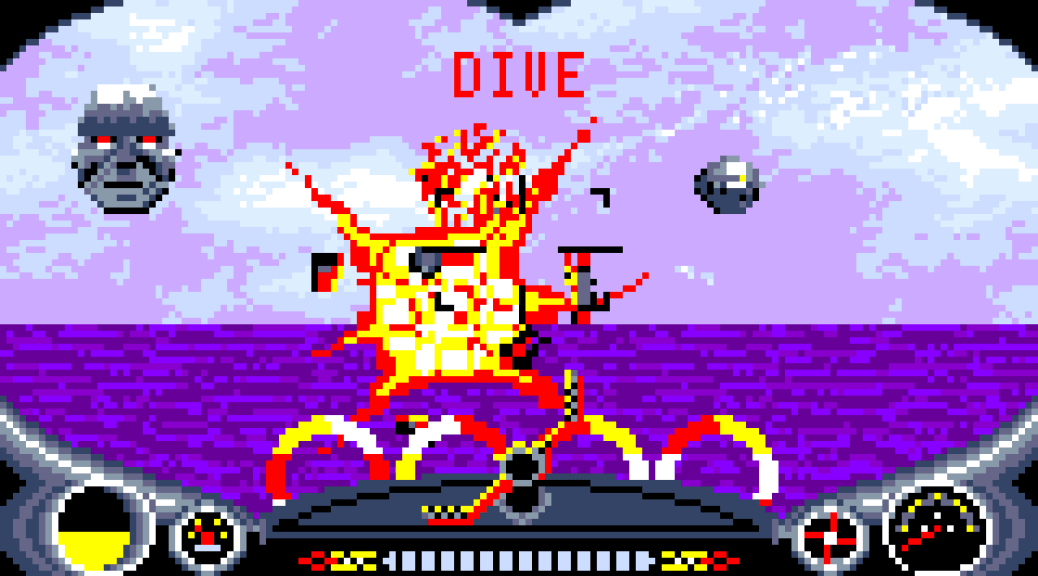
Turbo Sub, Atari Lynx
This 1991 release from Atari Corporation is a conversion of relatively obscure arcade game from 1985, and it is a decent game on the Atari Lynx, with excellent graphics and absorbing gameplay. It was developed for the Lynx by NuFX.
Turbo Sub is a fast-moving first person shooter in which you pilot a futuristic attack submarine and must fight off an alien force attacking the Earth.

Shadow of the Beast, Amstrad CPC
The Amstrad CPC version of Shadow of the Beast was developed and published by Gremlin Graphics in 1990 and is similar to the ZX Spectrum version (which was also created by Gremlin), but with more on-screen colours. It requires 128K of RAM to run, so is for Amstrad 6128 machines and compatibles only, and is spread over two floppy disks.
 The King of Grabs