Tag Archives: Colourful

Dragontorc, Amstrad CPC

I didn’t know that Dragontorc existed on the Amstrad until recently and was pleasantly surprised to find out that it did. Dragontorc is one of my all-time favourite ZX Spectrum games and it translates well to the CPC, flickery graphics included.

Dragontorc was designed and programmed by Steve Turner (of Graftgold fame) and is a sequel to the game Avalon, both of which feature a levitating mage called Maroc on a quest to defeat the forces of evil.

Continue reading Dragontorc, Amstrad CPC →

Sorcery Plus, Amstrad CPC

Sorcery Plus is an expanded version of the best-selling Amstrad game Sorcery, catering for 128K disk-based machines and featuring new rooms and other enhancements. It was developed by Gang of Five and published by Virgin Games in 1985.

Continue reading Sorcery Plus, Amstrad CPC →

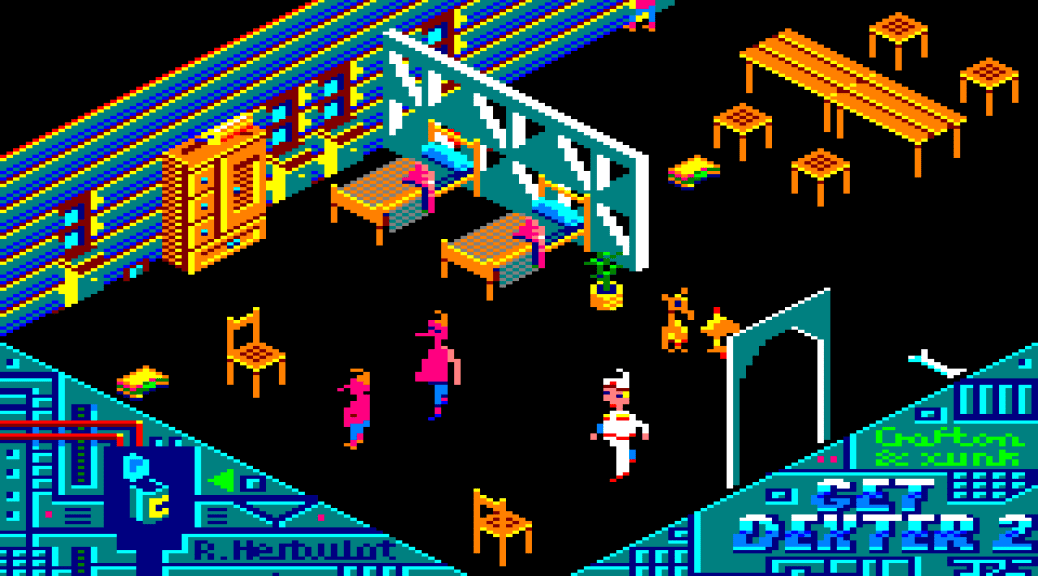
Get Dexter 2, Amstrad CPC

The sequel to the classic Amstrad adventure, Get Dexter, is more of the same isometric puzzle-solving, and weird futuristic adventuring, except that this time the game world is comprised of interlinked exterior screens rather than a simple maze of rooms.

Continue reading Get Dexter 2, Amstrad CPC →

Get Dexter, Amstrad CPC

Get Dexter is an isometric action puzzle game originally released for the Amstrad CPC in 1986. It was programmed by Remi Herbulot with graphics by Michel Rho. In its native France the game is known as “Crafton & Xunk“, which I always thought was a bizarre title for a video game.

Continue reading Get Dexter, Amstrad CPC →

Doom 64, Nintendo 64

Developed by Midway Studios San Diego and published by Midway Games in 1997, Doom 64 is a sequel to Doom II that contains a single-player campaign, but no multiplayer.

In total there are 28 campaign levels and four secret levels. Monster and weapon graphics have been redesigned and are unique to Doom 64.

Continue reading Doom 64, Nintendo 64 →

Theme Hospital, PC

Theme Hospital is a humorous, satirical hospital management simulator from legendary British developer Bullfrog Productions. It’s a sort of sequel to the popular Theme Park and was first published by Electronic Arts in 1997.

The game has a similar isometric viewpoint to Theme Park and successfully mixes jolly, cartoony gameplay with serious themes, such as budget balancing, public health, and customer satisfaction.

Continue reading Theme Hospital, PC →

Theme Park, PC

Developed by Bullfrog Productions and published by Electronic Arts in 1994, Theme Park is a fun business management simulation where you have to design and build a successful theme park full of rides, food, employees, and queues in order to turn a profit and beat the competition.

Continue reading Theme Park, PC →

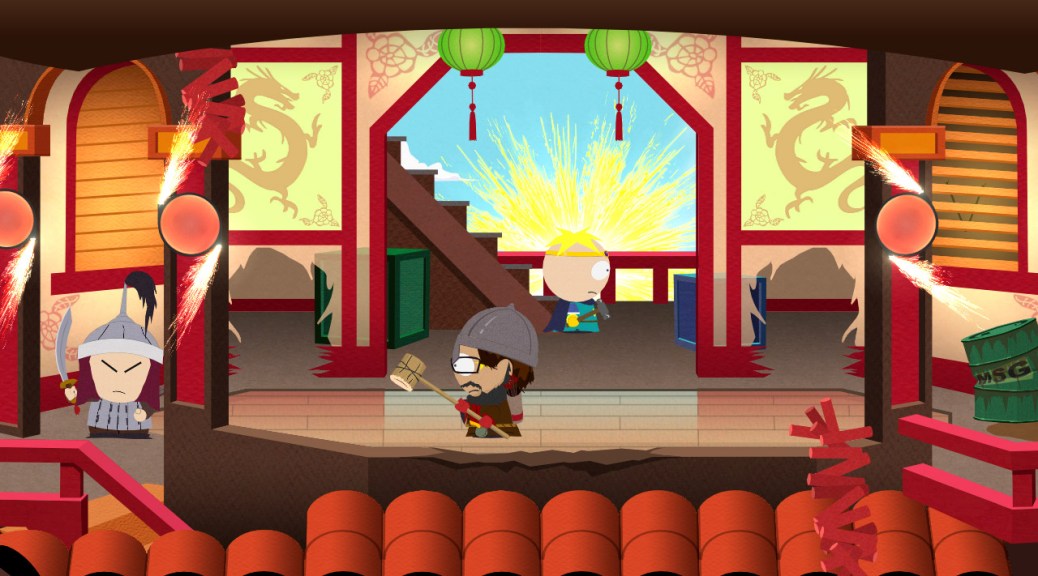
South Park: The Stick of Truth, PC

South Park: The Stick of Truth is a – gasp – turn-based RPG based on the popular South Park animated series. It was developed by Obsidian and published by Ubisoft in 2014. It was co-written by Trey Parker and Matt Stone, co-creators of South Park, and is a hilarious level-grinder with tons of detail, loads of quests, graphics that are identical to the TV show, and all the voices that South Park fans have come to know and love (most provided by Stone and Parker).

Continue reading South Park: The Stick of Truth, PC →

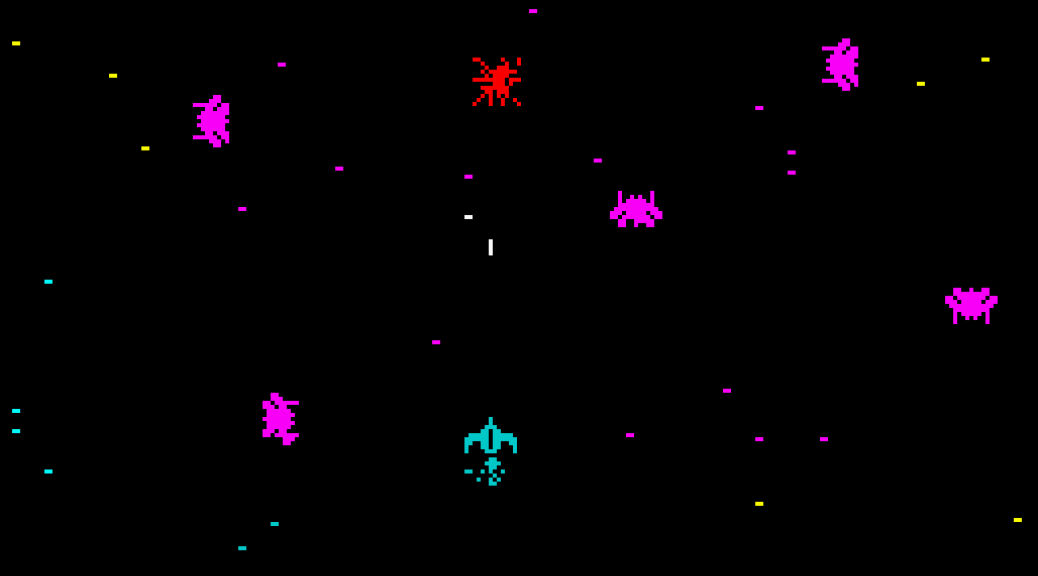
Moon Cresta, ZX Spectrum

The Spectrum conversion of Nichibutsu‘s classic 1980 arcade game Moon Cresta was published by Incentive Software in 1985 and it is considered to be very good, considering the machine’s limitations.

Continue reading Moon Cresta, ZX Spectrum →

Light Force, ZX Spectrum

Light Force is one of the best vertically-scrolling shoot ’em ups on the ZX Spectrum and it was published by Faster Than Light in 1986. It was written by Greg Follis and Roy Carter – the same guys who wrote the classic Spectrum games Tir Na Nog, Dun Darach and Marsport for Gargoyle Games.

The game is a fairly straightforward – if very playable – shooter, with smooth-scrolling backgrounds that have destructible elements, but it is so well presented that it’s hard not to be impressed.

Continue reading Light Force, ZX Spectrum →