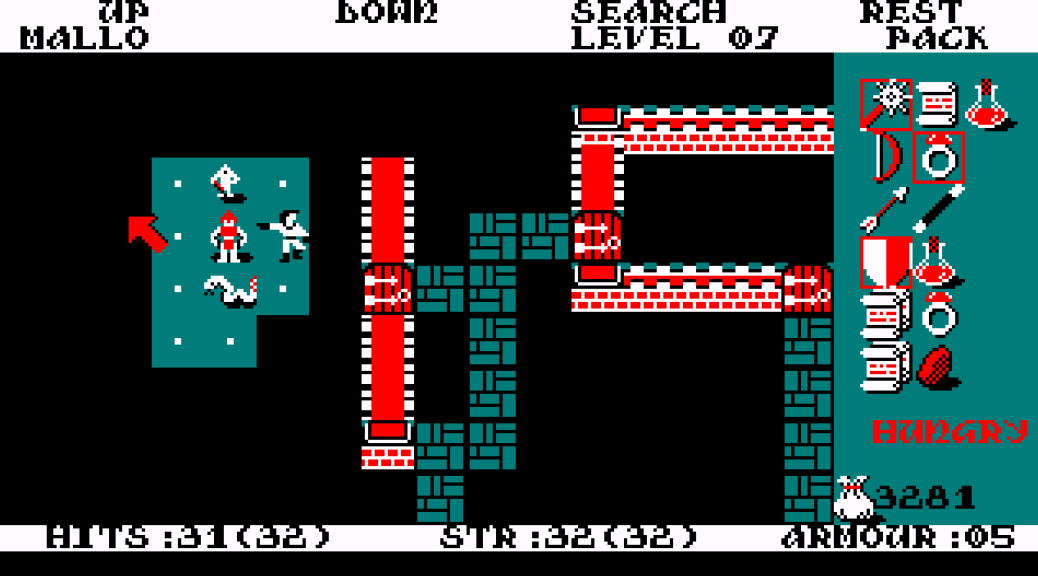
The Amstrad CPC version of Rogue is arguably the best of the 8-bit conversions from Mastertronic, although it’s not without its problems. It was developed by Icon Design and first published in 1988.
Tag Archives: bows

Rogue, ZX Spectrum
Rogue on the ZX Spectrum was developed by Icon Design and published by Mastertronic Added Diminsion in 1988. And it’s a pretty poor conversion of the classic dungeon-crawler.

Rogue, Commodore 64
The Commodore 64 conversion of Rogue was developed by Icon Design and published by Mastertronic in 1988, and it is a bugged, incomplete, and un-finishable version of the game that demonstrates the utter contempt for which Mastertronic held for both the game, and for gamers who paid money for it.

Rogue, Atari ST
The Atari ST version of the classic dungeon-crawler, Rogue, is arguably the best conversion of the game out there. It was developed by A.I. Design and published by Epyx in 1986 and combines the best bits from the original with new graphics and a few new features of its own.
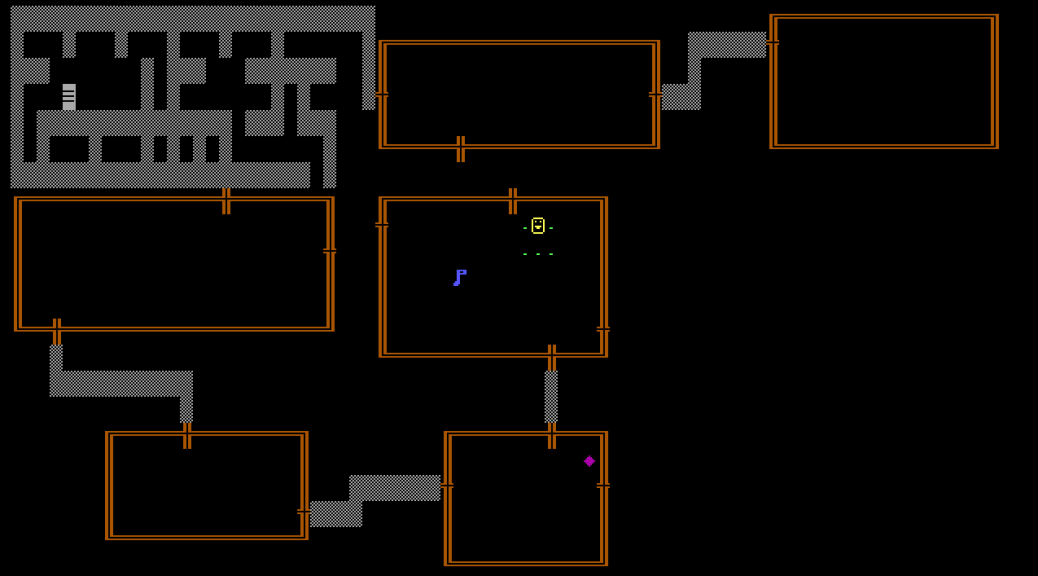
Rogue, PC
Rogue is an influential dungeon-crawling Role-Playing Game originally created by Michael Toy and Glenn Wichman (with later contributions by Ken Arnold) for Unix-based mainframes in 1980.
The original version of Rogue used the ASCII character set (text symbols) to create the world, and that is what you can see here in this first commercial version of game, published by Epyx in 1985.

Brain Lord, Super Nintendo
Brain Lord is a strangely-titled, obscure Japanese action RPG developed by Produce! and published by Enix for the Super Nintendo in 1994. The game was officially translated into English and released in North America, but was never released in Europe.
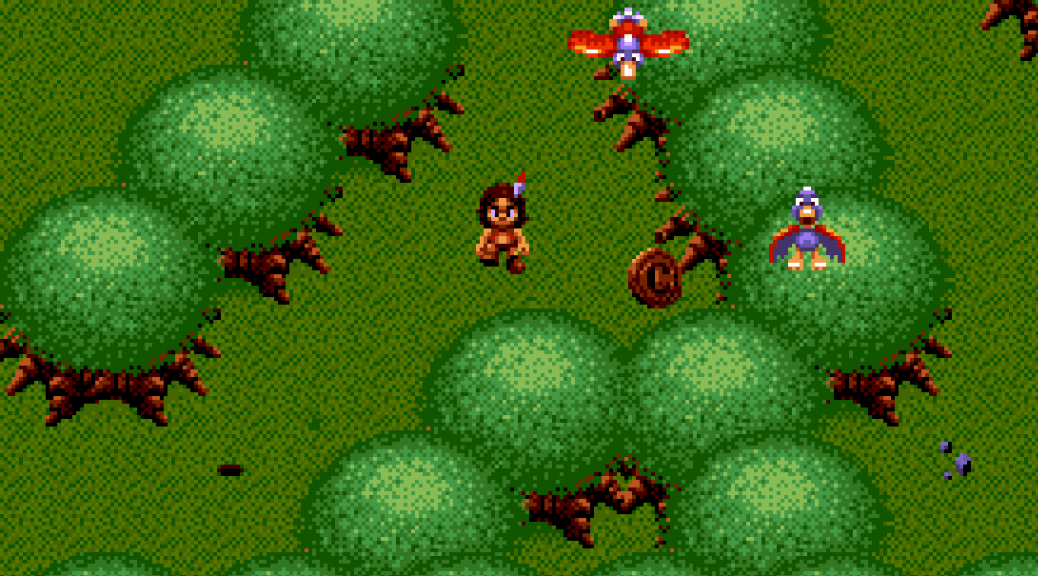
Legends, Amiga
Legends is a cutesy action adventure game developed for the Amiga by Yorkshire-based Krisalis Software and first published in 1996 by Guildhall Leisure Services. It takes many of its cues from Nintendo‘s early Zelda games, but unfortunately doesn’t come close to the greatness of those games.

King’s Field IV, PlayStation 2
King’s Field IV was developed and published by FromSoftware in Japan in 2001 for the PlayStation 2. It was later released as King’s Field: The Ancient City in North America in 2002, and in Europe (as simply King’s Field IV) in 2003. It is another first-person RPG and is the fourth and final game in the King’s Field series.

King’s Field III, PlayStation
King’s Field III is the second sequel in FromSoftware‘s classic first-person RPG series and was first released in Japan in 1996. It was published in North America by ASCII Entertainment under the title of “King’s Field II” (because the original King’s Field was only released in Japan).
For my money, King’s Field III is the best of the three PlayStation King’s Field games, with larger, more interesting environments, and a bigger scope than the previous two games. The graphics are still borderline laughable, and the controls are still cumbersome, but the gameplay has evolved reasonably well in the space of a couple of years.
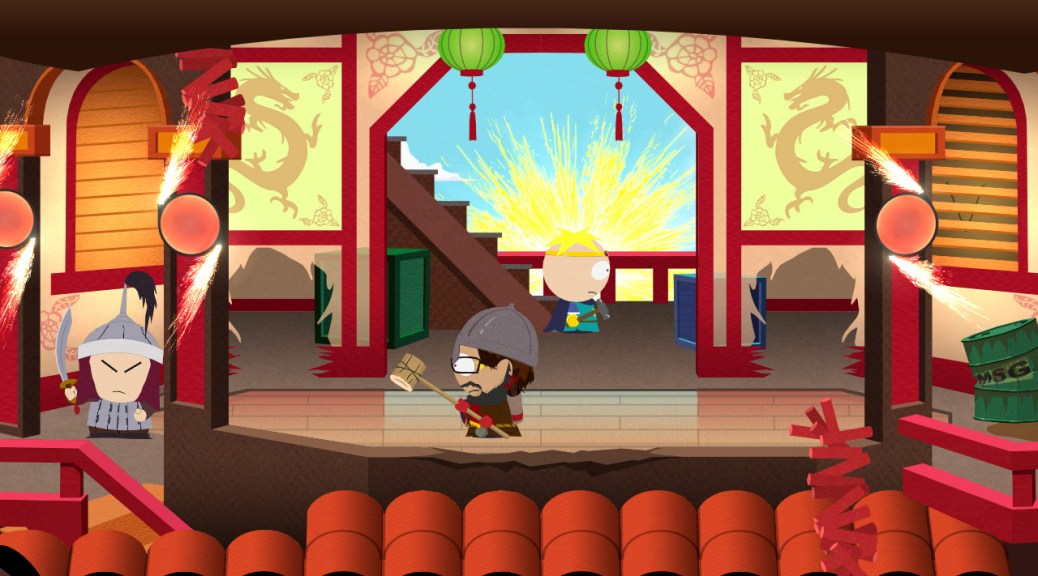
South Park: The Stick of Truth, PC
South Park: The Stick of Truth is a – gasp – turn-based RPG based on the popular South Park animated series. It was developed by Obsidian and published by Ubisoft in 2014. It was co-written by Trey Parker and Matt Stone, co-creators of South Park, and is a hilarious level-grinder with tons of detail, loads of quests, graphics that are identical to the TV show, and all the voices that South Park fans have come to know and love (most provided by Stone and Parker).

