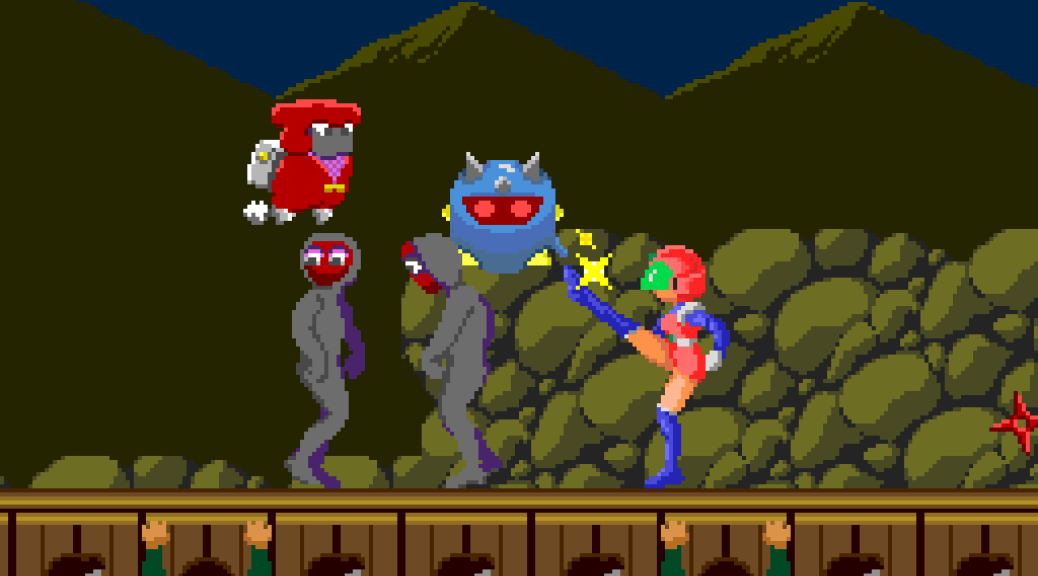
Developed by Namco and published – in Japan only – by NEC Avenue in 1989, Wonder Momo is a conversion of a weird Japanese arcade game featuring a female lead character who must fight off attackers during a theatre stage play. And, if that sounds bizarre, then – well – that’s because it is! Unlike the arcade original, the PC Engine version of Wonder Momo has been fan-translated into English and Spanish, so is more accessible to Western audiences.
Tag Archives: throwing

Wonder Momo, Arcade
I first encountered Namco‘s Wonder Momo on the PC Engine, because it had received a fan translation, and I was curious to see what the game was about. I then discovered that it was a conversion of a 1987 arcade game, featuring a young girl called Momo, who can turn into a ‘superhero’ by building up her “Wonder Meter“.
This bizarre arcade game was only ever released in Japan, but has subsequently built up a cult following around the world, and has also inspired manga/anime, and resulted in a sequel that was released in 2014.

Gauntlet: Seven Sorrows, PlayStation 2
Gauntlet: Seven Sorrows is the seventh game in the Gauntlet series, and is a much better attempt to bring the game into the 3D gaming realm than Gauntlet Legends or Gauntlet Dark Legacy, the previous two games in the series. It was developed by Midway Studios San Diego and published by Midway Games for the PlayStation 2 and XBox in 2005. An XBox 360 version was released in 2008.

Gods, Amiga
Developed by The Bitmap Brothers and published by Renegade Software for the Amiga in 1991, Gods is a stylised platform game in which you play as Hercules, on a quest to make his way through five large stages, themed with Greek mythological motifs.
Donkey Kong, Super Game Boy
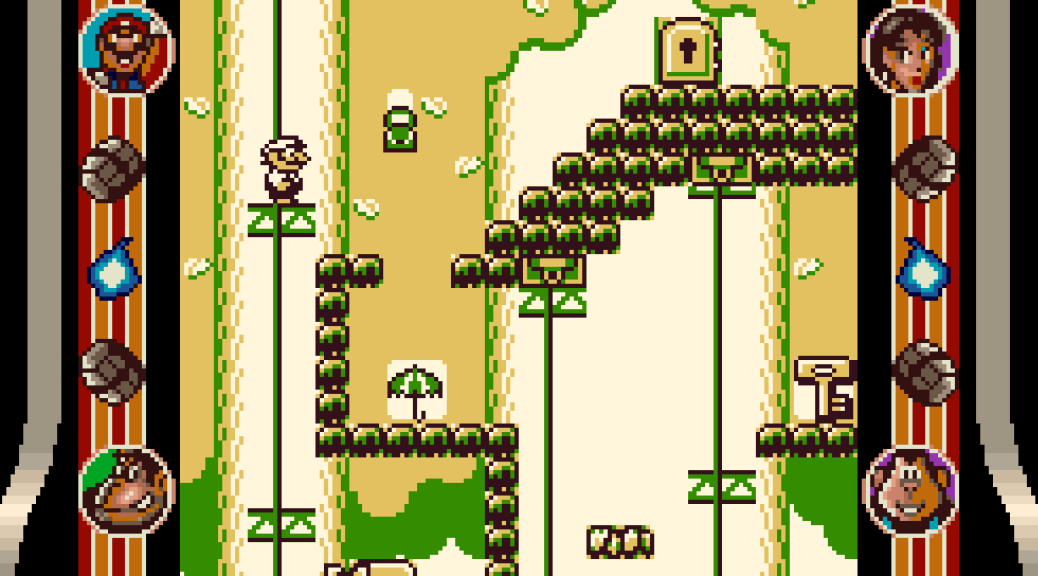
The Game Boy port of Donkey Kong was first released by Nintendo in 1994 and it really is something special. I’m showing the Super Game Boy version of Donkey Kong here, with its special arcade bezel border and enhanced colour palette. It was, in fact, the first Game Boy cartridge released with Super Game Boy enhancements. If you want to see the original B&W version, click here.
Donkey Kong, Game Boy
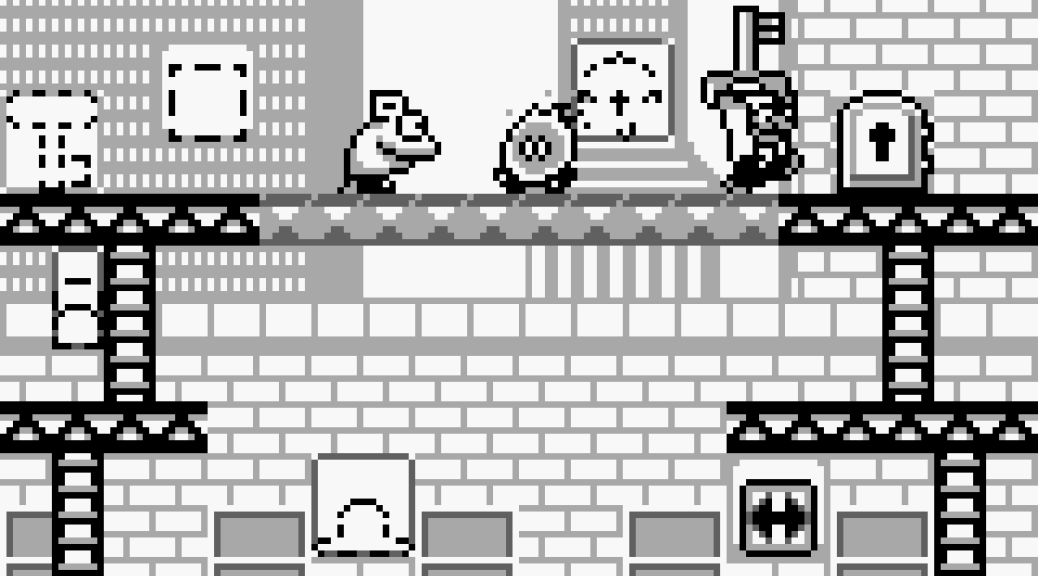
The 1994 Game Boy remake of Nintendo‘s iconic arcade game is something very special. It is an enhanced re-imagining of Donkey Kong that begins with the original game and then transforms into something amazing – a brand new game with nine themed stages and 95 individual levels.
Dungeon Master, Apple IIgs
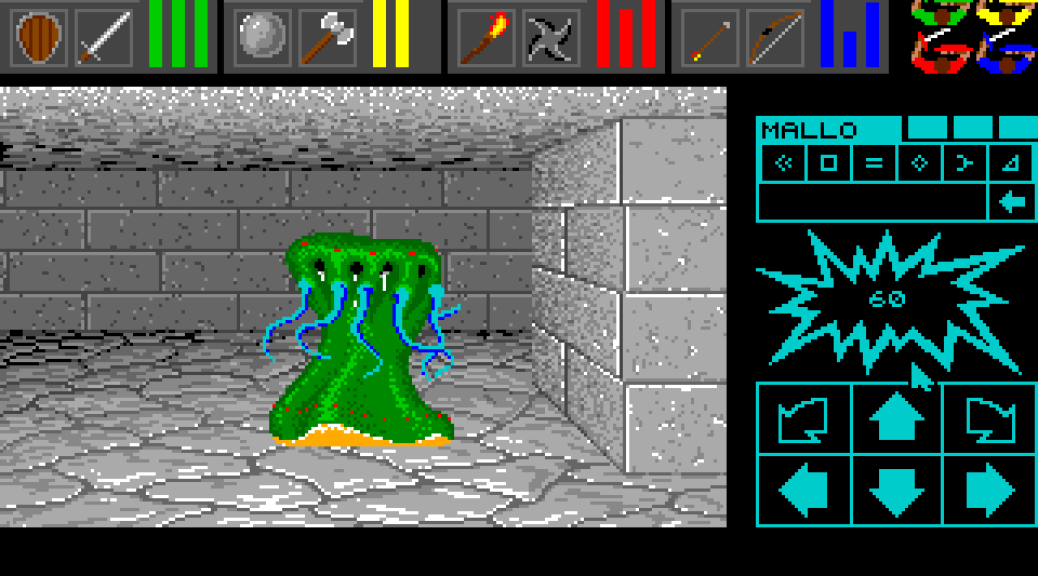
The 1989 Apple IIgs conversion of FTL‘s Dungeon Master was created by the original developers and is therefore a perfect port of this classic Role-Playing Game. The game requires a minimum of 1MB of RAM to run, like the Amiga version, and a processor running at 2.8MHz or above makes it playable at the right speed.

Chaos Strikes Back, FM Towns
Chaos Strikes Back is a continuation of the classic Role-Playing Game, Dungeon Master. It’s a sequel – but not the sequel – to the first game, and was originally released as a stand-alone expansion disk on the Atari ST. On the FM Towns it was published on CD-ROM by Victor Musical Industries in 1990, and there’s a bit of faffing around to do before you can actually start the game*. Thankfully you can at least do this in English as there’s an option to play in that language.
*= Before you can play Chaos Strikes Back you must either create a new party (by entering the prison and choosing from the available portraits), and then save it to a new 720Kb floppy disk; or load a set of characters from a pre-existing FM Towns Dungeon Master save. You then need to enter the CSB portrait editor utility program and then click on ‘Make New Adventure’ to activate and save a new Chaos Strikes Back file to the disk. Only then will you be able to load and start the game…
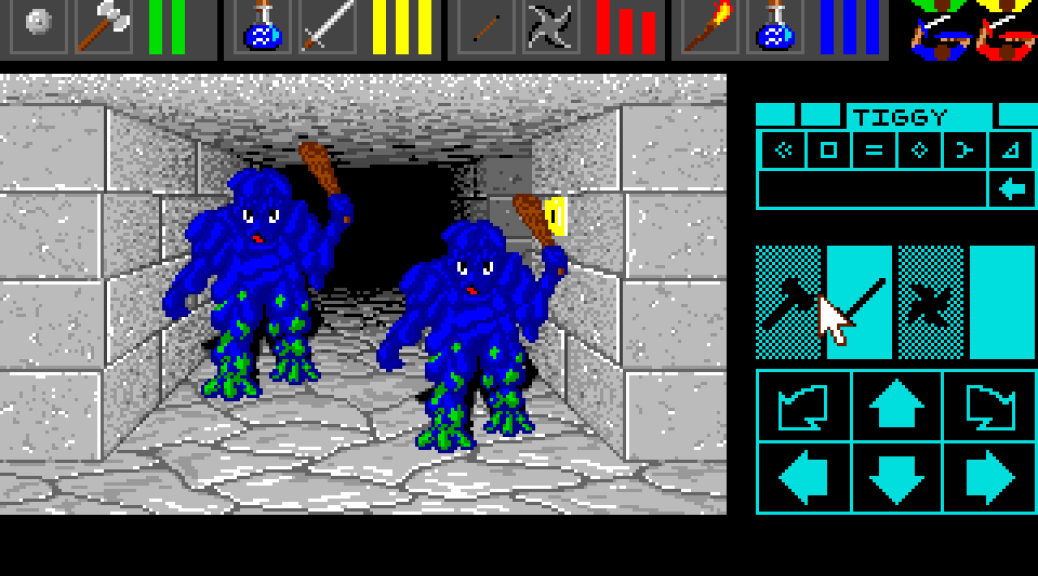
Dungeon Master, FM Towns
The FM Towns version of the classic Dungeon Master was ported by FTL Games (the game’s original developer) and published by Fujitsu in 1989 (two years after the original Atari ST version, and three years before the DOS version came out). This was a Japan-only release, on CD-ROM, but the game is playable in both English and Japanese, which is great.

High School Graffiti Mikie, Arcade
High School Graffiti Mikie is a revised version of Konami‘s classroom chase game, Mikie, with gameplay that’s been toned down to make it less violent.

