
Liquid Kids is a bizarre-but-fun platform game by Taito, first released into video game arcades in 1990.
Tag Archives: platform game

Metroid Prime, GameCube
The fifth game in Nintendo‘s famous “Metroid” series, and the first to use 3D graphics, Metroid Prime follows the well-worn gameplay path of the earlier Metroid games (that is: have all your equipment; lose all your equipment; have to find all your equipment again) and again sees you playing as Samus Aran, a female ex-soldier with a powered exoskeleton.
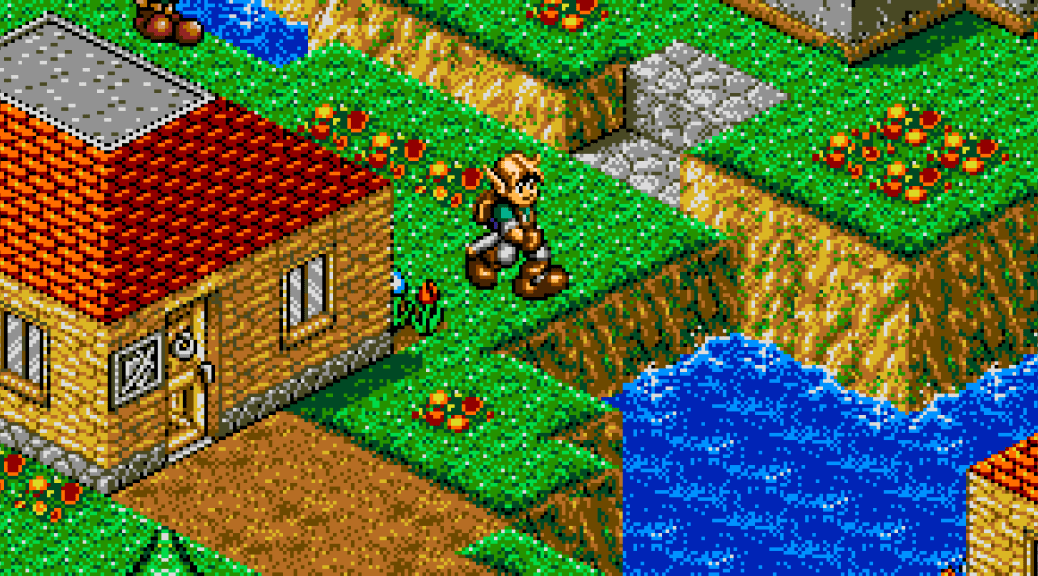
Landstalker, Megadrive/Genesis
Released in its native Japan in 1992, and everywhere else in 1993, Landstalker is a memorable real-time action adventure in a well-defined fantasy world. The Megadrive‘s answer to Zelda, in some respects.
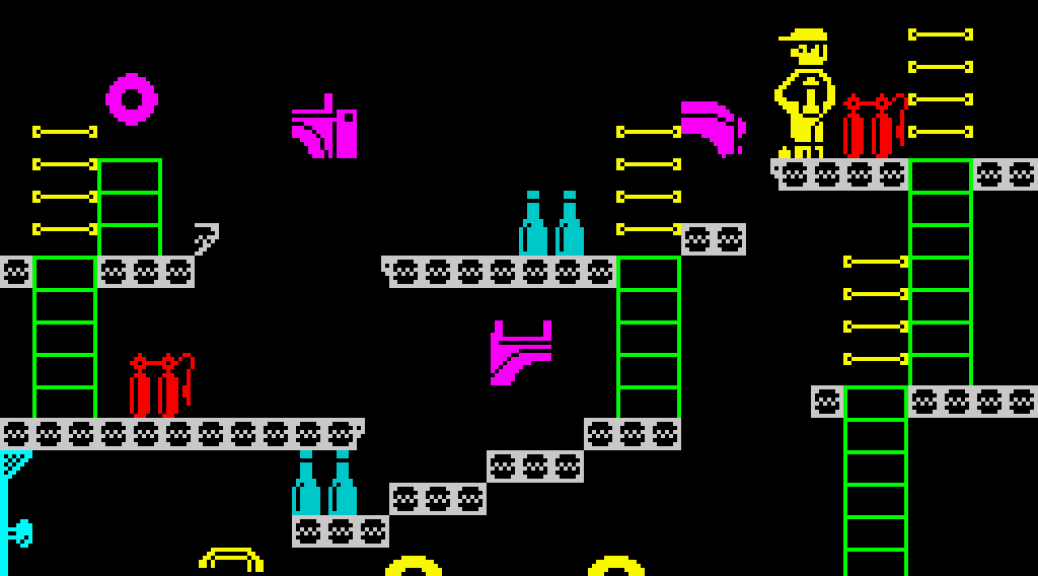
Automania, ZX Spectrum
Automania – developed by Chris Hinsley for Mikro-Gen in 1984 – is the first ever appearance of the character Wally Week.
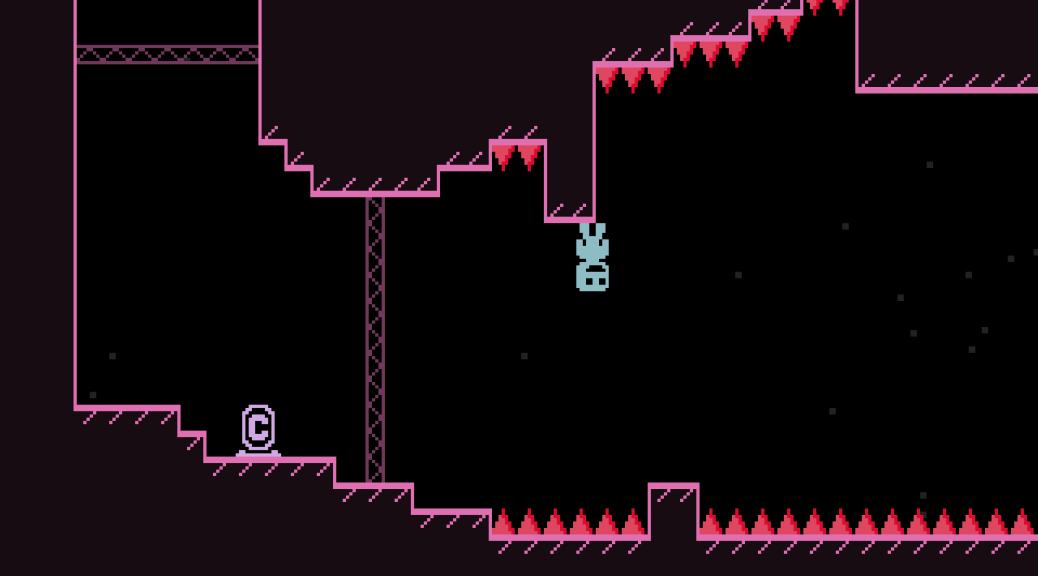
VVVVVV, PC
Terry Cavanagh‘s VVVVVV is an extremely smart-but-simple platform/indie game that feels a lot like a Commodore 64 game from the ’80s, although it was actually released in 2010.

Mr. Gimmick, NES/Famicom
Known as Gimmick! in Japan and Mr. Gimmick everywhere else, this 1992 release was an attempt by Sunsoft to push the graphical powers of the Nintendo Entertainment System further than they’d ever been pushed before (in order to compete with the Super Nintendo, which was relatively new on the market).
In order to do this, Sunsoft used all kinds of clever programming techniques using graphical tilesets and colours, and the end result is very striking. But it wasn’t enough to compete with the newer consoles of the time and Mr. Gimmick sank without a trace, into relative obscurity.

Metroid Fusion, Game Boy Advance
Also known as “Metroid 4“, Metroid Fusion on the Game Boy Advance is the fourth episode in the famous run-and-gun series from Nintendo and was first released in 2002.

Super Metroid, Super Nintendo
The third game in the Metroid series is a top class Super Nintendo classic.
Super Metroid (1994) is more detailed than both previous Metroid games put together, although the basic structure is the same – explore various levels to find your latent abilities, all of which have been lost (“Why does this keep happening in Metroid games?” you may ask. “It’s in the script,” is my answer).
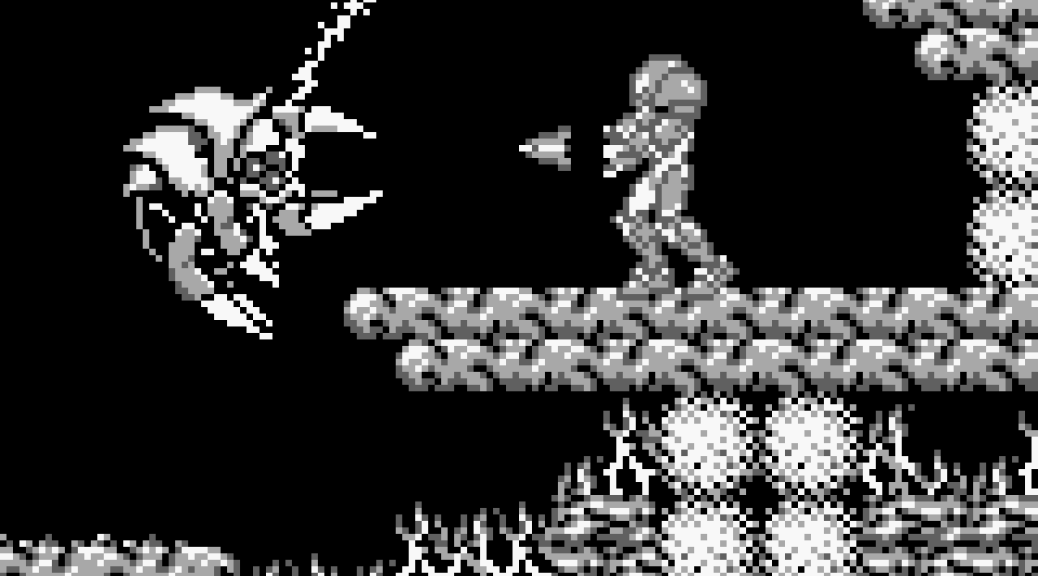
Metroid II: Return of Samus, Game Boy
The second ever Metroid game first appeared on the Nintendo Game Boy in 1991.
Metroid II: Return of Samus is a brilliant continuation of the first Metroid game. The animation of lead character Samus is much more gritty and realistic in this game, compared to the NES original. And the monochromatic graphics actually seem to add to the eerie atmosphere, rather than hamper the game at all.
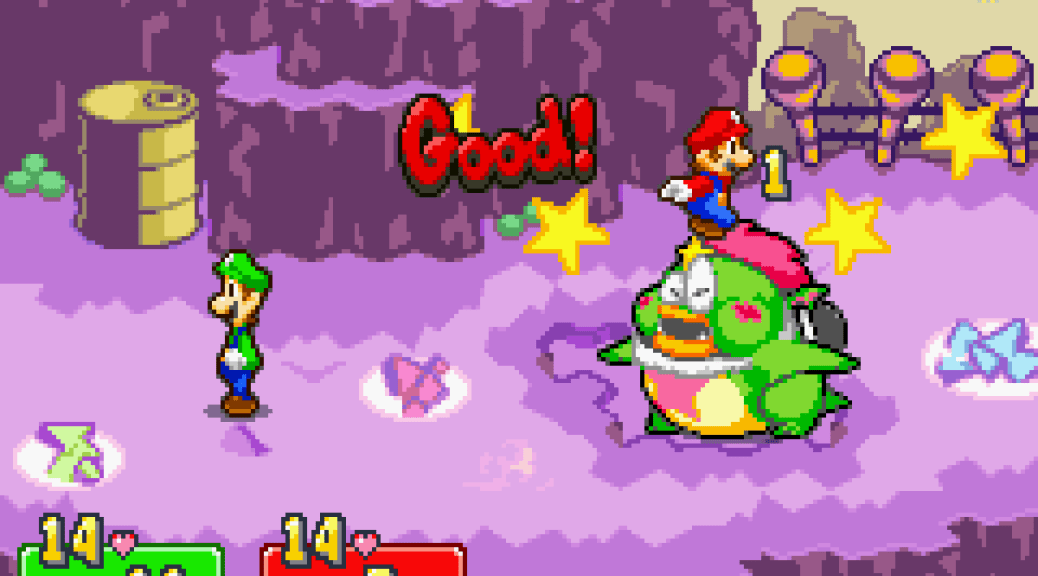
Mario & Luigi: Superstar Saga, Game Boy Advance
Mario & Luigi: Superstar Saga on the Game Boy Advance is a brilliant mix of platforming and level-grinding.
The ‘twist’ in this game is that you control both Mario and Luigi simultaneously during the game, and can switch between each character – or use them in tandem – to solve certain puzzles.
Continue reading Mario & Luigi: Superstar Saga, Game Boy Advance

