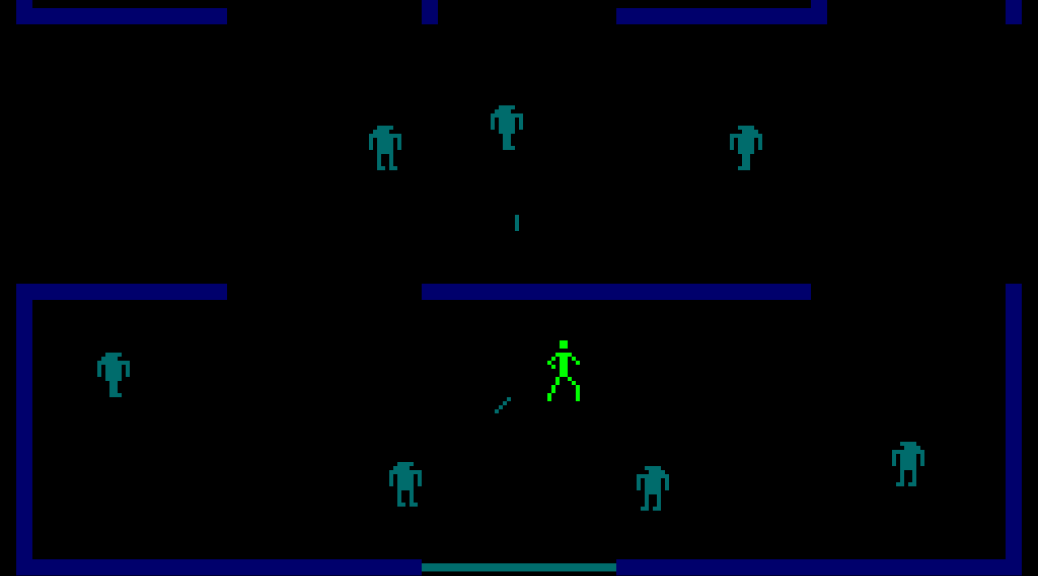
Released into arcades in 1980, Stern Electronics‘ Berzerk is a simple multi-directional shooter where the aim is to rack up as many points as possible by shooting robots in a maze.
Tag Archives: pioneering

Space Invaders, Arcade
Space Invaders, owned and manufactured by Taito, is the best-selling video game and highest-grossing entertainment product of all time.
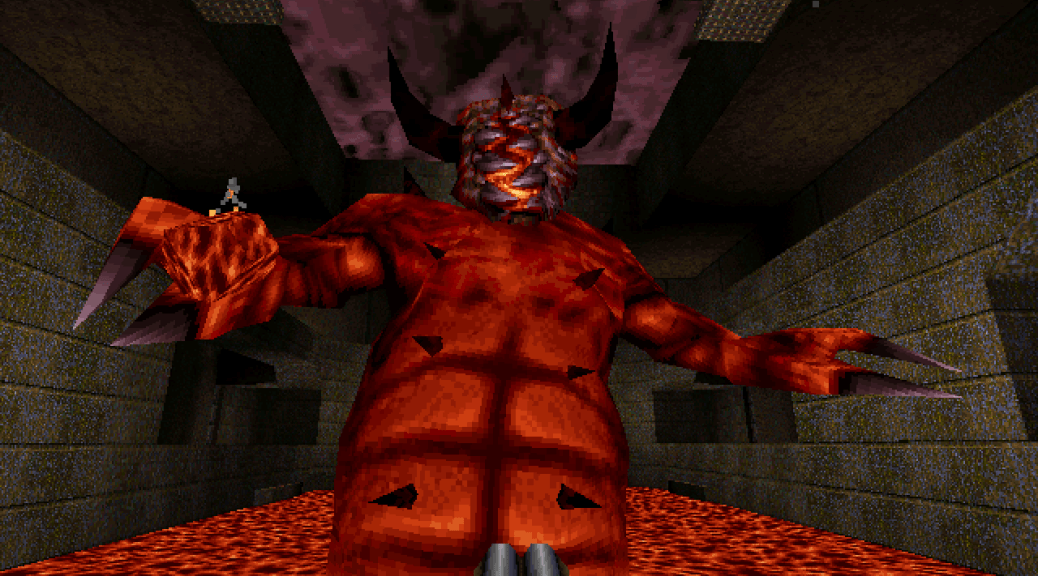
Quake, PC
Doom was good, but Quake – for me – was where id Software really broke the First-Person Shooter mould, with a game far ahead of anything else at the time – even their own games…

Doom II, PC
Doom II: Hell On Earth (to give the game its full title) was released in 1994 and is the sequel to the infamous id Software blaster, Doom.
It uses the same engine as Doom (id Tech 1), but has more variety and is optimised to be more detailed and quicker.
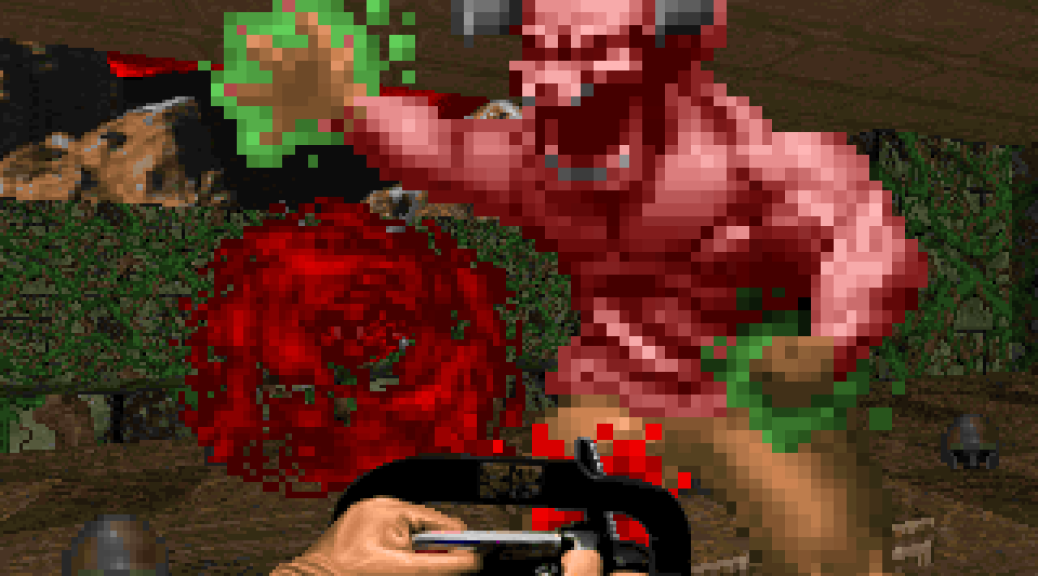
Doom, PC
id Software‘s hit shooter, Doom, blew the roof off the gaming world when it was first released in 1993.
It was the first First-Person Shooter that moved really fast and smoothly, and gave you a real sense of ‘being there’ when you played it.

Bubble Bobble, Arcade
Taito‘s Bubble Bobble first came out in arcades in 1986. Its colourful, jolly, platform action proved a sensation among gamers, and it has since gone on to earn “legendary” status in the retro gaming community.

SimCity 2000, PC
The very first version of SimCity 2000 was released for Apple Macintosh by Maxis in 1993, followed soon after by a PC MS-DOS version.

Kikstart 2, Commodore 64
Shaun Southern‘s Kikstart 2 is a brilliant and challenging split-screen, side-scrolling motorcycle trials game for the Commodore 64 that was first released in 1987.
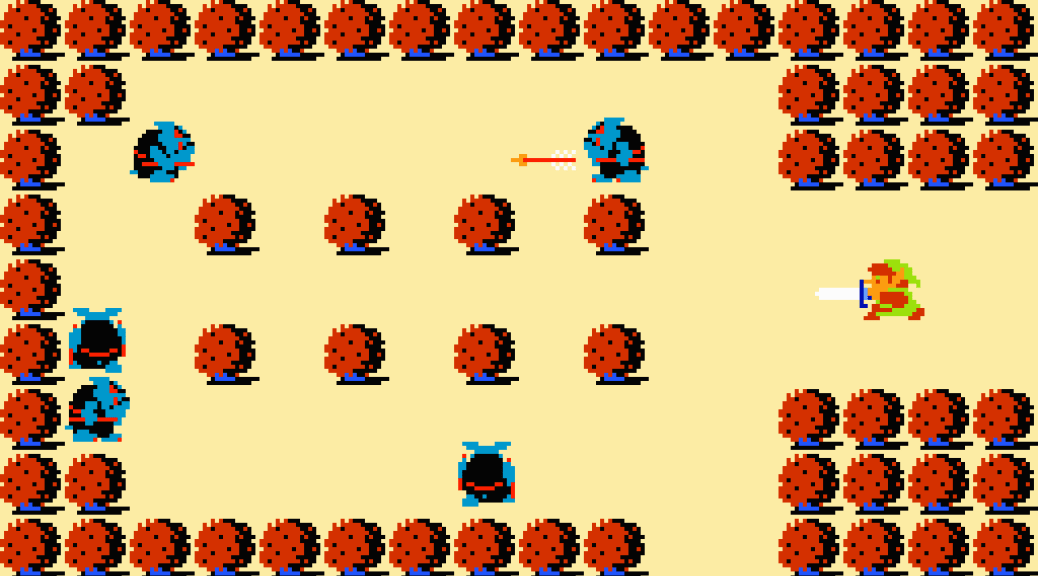
The Legend of Zelda, NES
1986 saw the release of the original The Legend of Zelda on the NES, although it wasn’t on cartridge – it was on floppy disk. Specifically: for the Nintendo Famicom Disk System (FDS).
A cartridge version, with battery backup-up saves, was released in North America in 1987.

Dynamite Dan II, ZX Spectrum
The sequel to the hit platform game Dynamite Dan, Dynamite Dan II: Dr. Blitzen and the Island of Arcanum is more than just a cheeky update of the first game – it is much bigger, much more involving, and much, much more varied.
 The King of Grabs