Tag Archives: futuristic

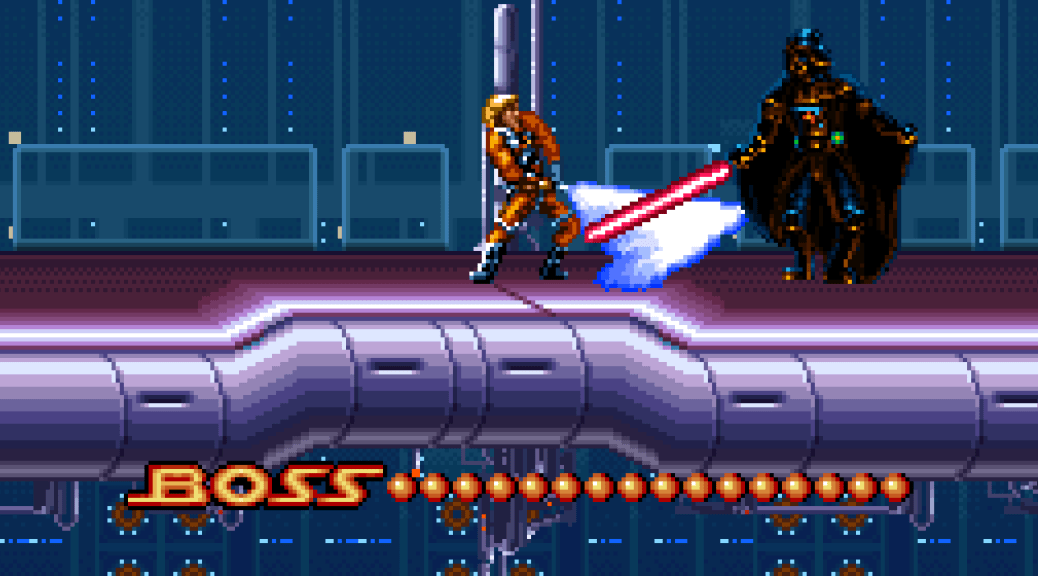
Super Star Wars: The Empire Strikes Back, Super Nintendo

This sequel to Super Star Wars was once again developed by Sculptured Software and published by JVC, this time in 1993. Super Star Wars: The Empire Strikes Back is another hectic run-and-gun platform game, with added variety in the form of Mode 7 stages and a cockpit shooter.

Continue reading Super Star Wars: The Empire Strikes Back, Super Nintendo →
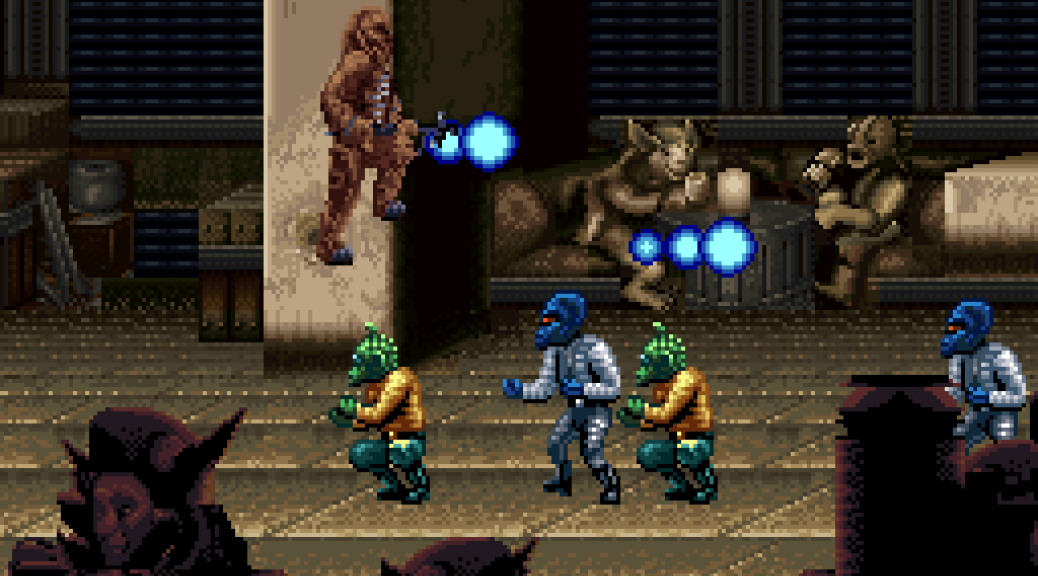
Super Star Wars, Super Nintendo

Super Star Wars is a run-and-gun, side-scrolling action game based on the 1977 film Star Wars. It was developed by Sculptured Software and published by JVC for the Super Nintendo in 1992.

Continue reading Super Star Wars, Super Nintendo →

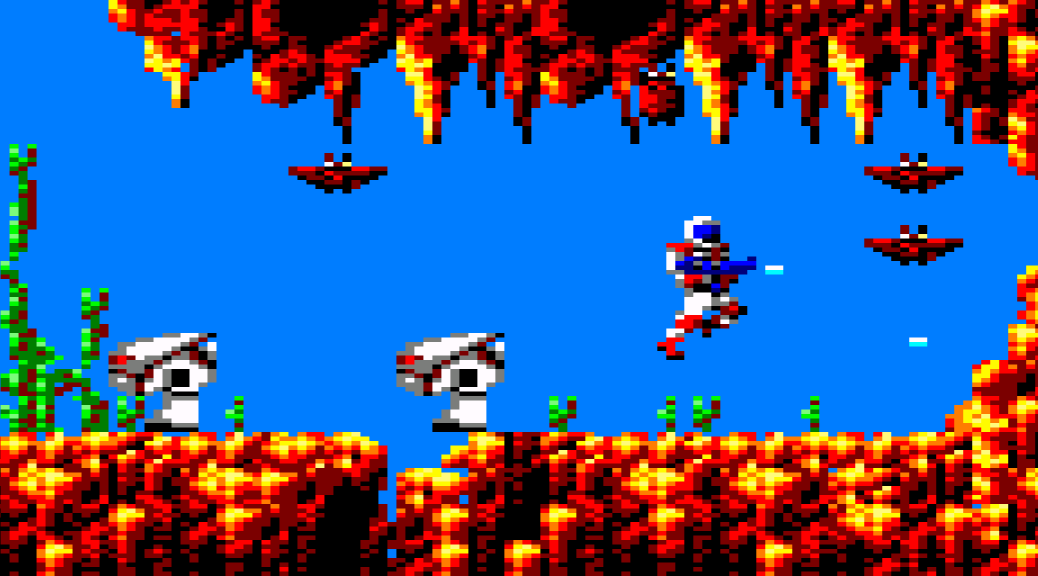
Turrican, Amstrad CPC

Rainbow Arts‘ classic C64 shoot ’em up, Turrican, was converted to the Amstrad by Probe Software, and it demonstrates how to do this kind of side-scrolling run-and-gun shooter on the CPC. Compared to something like Gryzor, Turrican is streets ahead in terms of presentation and playability.

Continue reading Turrican, Amstrad CPC →

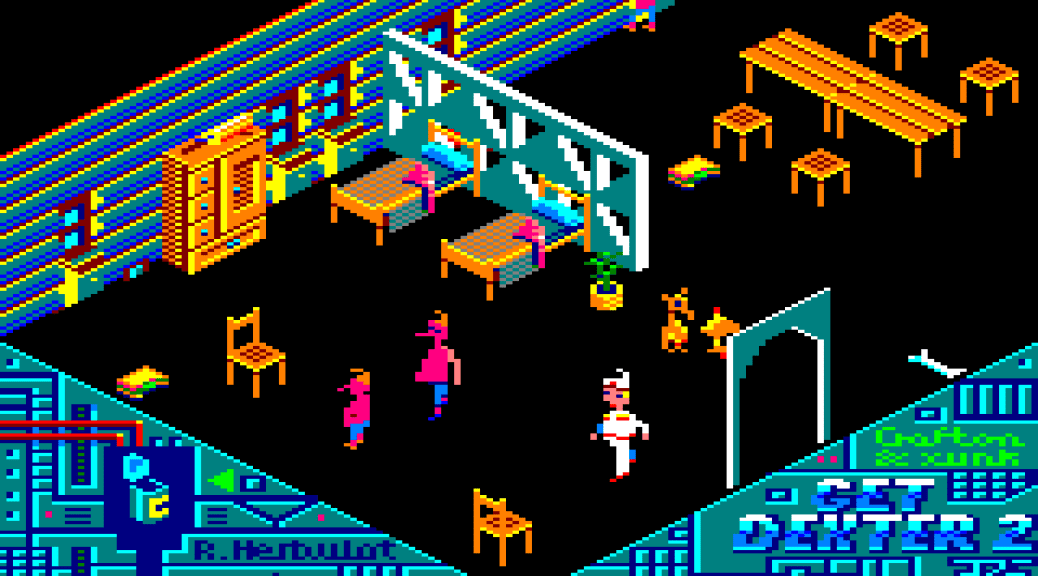
Get Dexter 2, Amstrad CPC

The sequel to the classic Amstrad adventure, Get Dexter, is more of the same isometric puzzle-solving, and weird futuristic adventuring, except that this time the game world is comprised of interlinked exterior screens rather than a simple maze of rooms.

Continue reading Get Dexter 2, Amstrad CPC →

Get Dexter, Amstrad CPC

Get Dexter is an isometric action puzzle game originally released for the Amstrad CPC in 1986. It was programmed by Remi Herbulot with graphics by Michel Rho. In its native France the game is known as “Crafton & Xunk“, which I always thought was a bizarre title for a video game.

Continue reading Get Dexter, Amstrad CPC →

Military Madness, PC Engine

Military Madness is the Western title for the Japanese tactical war game, Nectaris, and it was first released for the PC Engine in 1989 by Hudson Soft. A North American TurboGrafx-16 release followed in 1990.

Nectaris, or Military Madness, or whatever you want to call it, is an early turn-based strategy game that involves moving units around a map and engaging in combat. When units clash it then cuts away to a confrontation scene to show how the opposing forces fared against each other. These action cut scenes would later greatly influence similar games such as those in the popular Advance Wars series.

Continue reading Military Madness, PC Engine →

Microcosm, Amiga CD32

Microcosm was much-hyped upon release in 1993, but in essence is a very limited ‘rail shooter’ set inside a human body – with pre-rendered video sequences used to depict the third-person viewpoint.

The game was originally developed by Psygnosis for the FM Towns, with some investment from Fujitsu, and was later ported to MS-DOS, the Sega Mega-CD, the 3DO, and the Amiga CD32.

Continue reading Microcosm, Amiga CD32 →

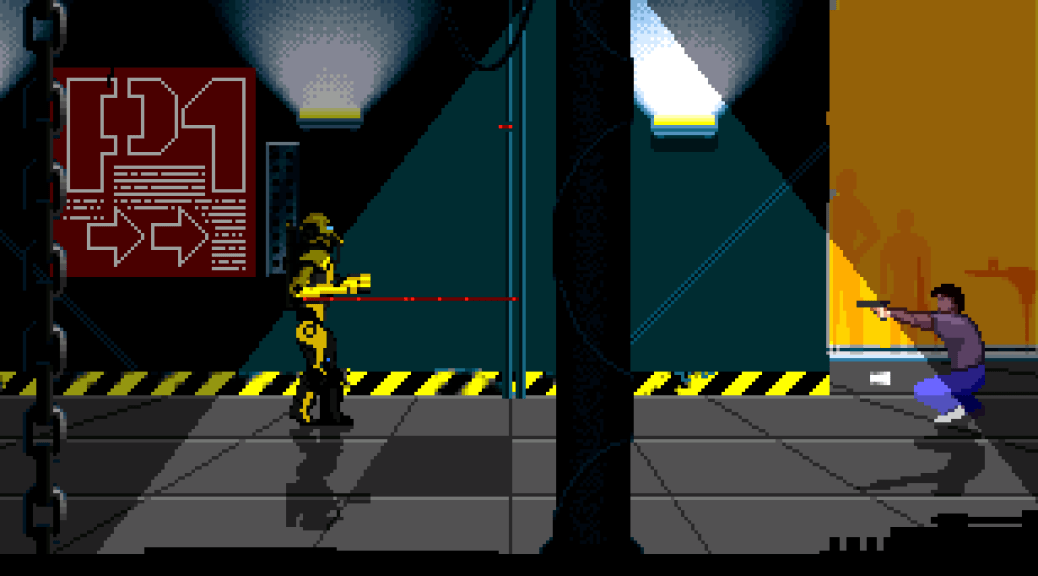
OnEscapee, Amiga

This rather obscure Prince of Persia/Another World/Flashback tribute was created by Hungarian developer Invictus Games exclusively for the Amiga 1200 in 1997. It was initially released on CD-ROM only, which is strange as the Amiga 1200 didn’t come with a CD drive, so players had to purchase an external CD-ROM drive or somehow transfer the game to a hard drive and play it that way. Invictus later re-released the game as freeware for Windows, in 2004, to coincide with the company’s 10th anniversary.

Continue reading OnEscapee, Amiga →

The Arc of Yesod, ZX Spectrum

The Arc of Yesod is the sequel to Nodes of Yesod and was actually published the same year as Nodes, in 1985. The game was again developed by Odin Computer Graphics, but this time was published by Thor Computer Software.

Continue reading The Arc of Yesod, ZX Spectrum →

Nodes of Yesod, ZX Spectrum

Nodes of Yesod is a platform exploration game created by Liverpool-based Odin Computer Graphics and first published for the ZX Spectrum in 1985.

At the time it was a critical hit – mostly because the presentation is top notch – but playing the game now you really have to wonder what all the fuss was about, because it really is one of the most frustrating Spectrum games ever made…

Continue reading Nodes of Yesod, ZX Spectrum →