
The MSX version of Ultimate‘s classic isometric action adventure, Alien 8, is almost identical to the ZX Spectrum original – including slowdown caused by sound effects playing and lots of on-screen movement.
Tag Archives: Cult Hit

Micro Machines V3, PlayStation
The third Micro Machines was released in 1997 for the Sony PlayStation. In V3 the environments and vehicles are all 3D-modelled, and the action is displayed at a slightly tilted angle, rather than directly overhead.
The same excellent gameplay mechanics of the previous games have been retained though. Mostly revolving around getting ahead of your opponents in order to push them off-screen.
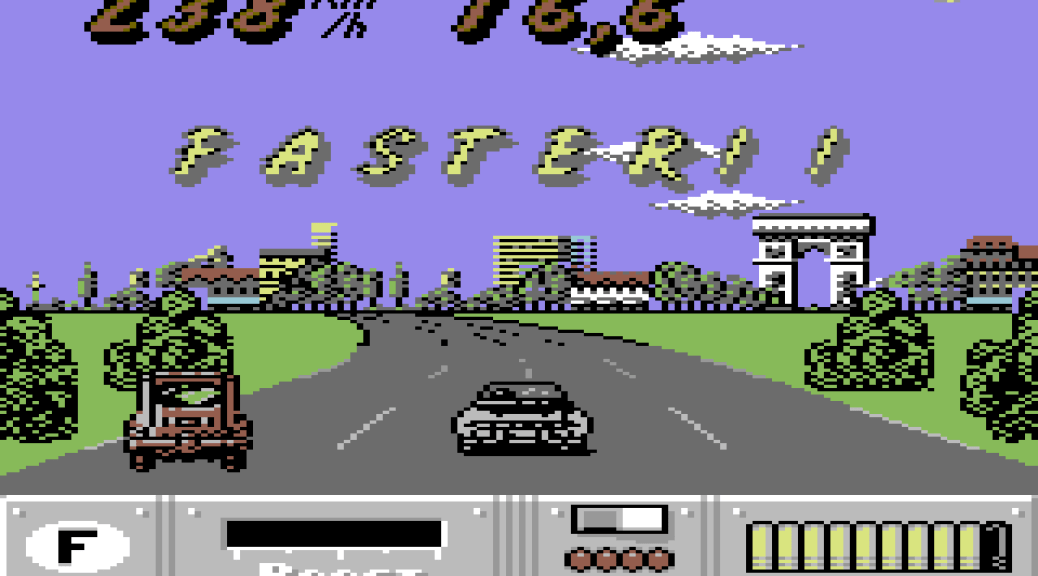
Out Run Europa, Commodore 64
Out Run Europa is an interesting game in that it was designed and written by British developer Probe Software in 1991. Sega simply provided a license and Probe made the game. And: this wasn’t a conversion of an arcade game – it was a spin-off from Out Run, produced only for home computers at the time.

Sunset Riders, Arcade
This 1991 arcade classic from Konami is a simultaneous four-player, horizontally-scrolling run-and-gun game with a colourful, cartoony, wild western theme.
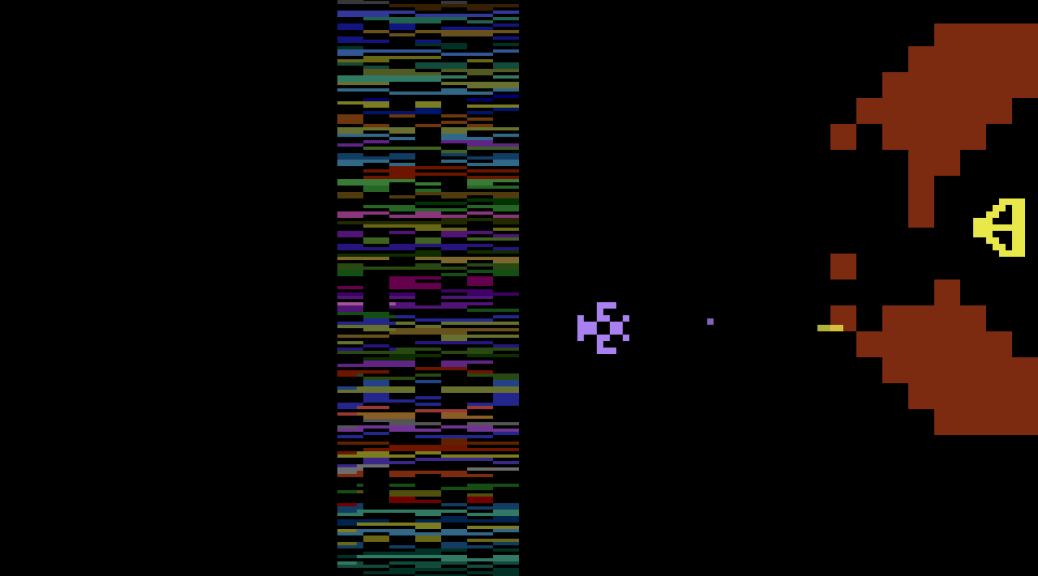
Yars’ Revenge, Atari 2600
Written by Howard Scott Warshaw and published by Atari, Inc. in 1982, Yars’ Revenge is one of those old video games that plays a lot better than it looks, and is much more subtle that you might think upon first inspection.
In fact, it took me decades to actually ‘click’ with the game and finally be bothered to learn how to play it properly.
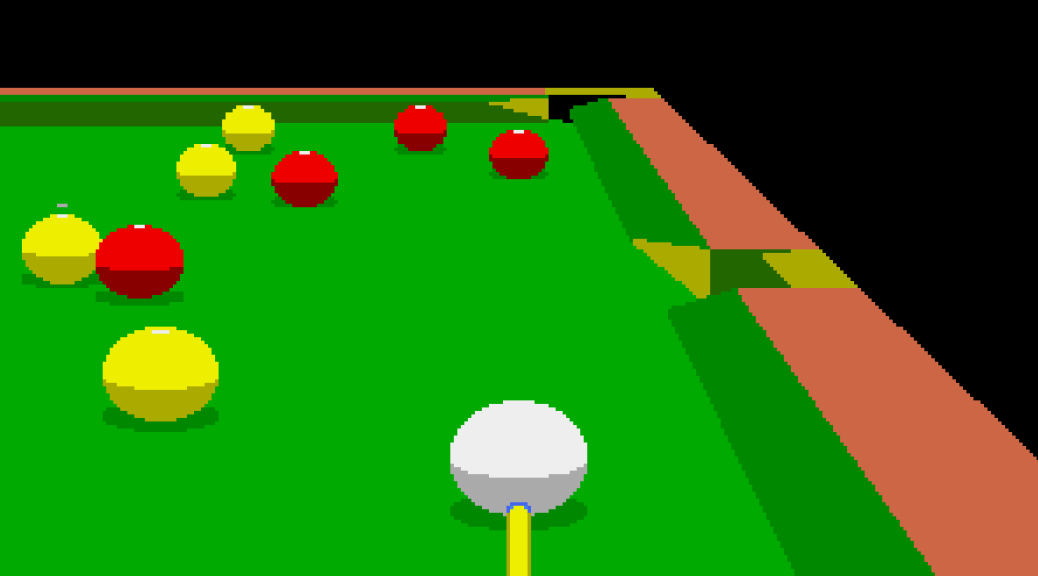
Archer Maclean’s Pool, Atari ST
Following on from Jimmy White’s Whirlwind Snooker, Archer Maclean’s Pool was published in 1992 by Virgin Games. It was of course designed and programmed by Archer MacLean.
And, because pool is much more simple to play than snooker, and because this game uses the same engine as the previous game, Pool is arguably more immediately playable and more fun overall than its predecessor.
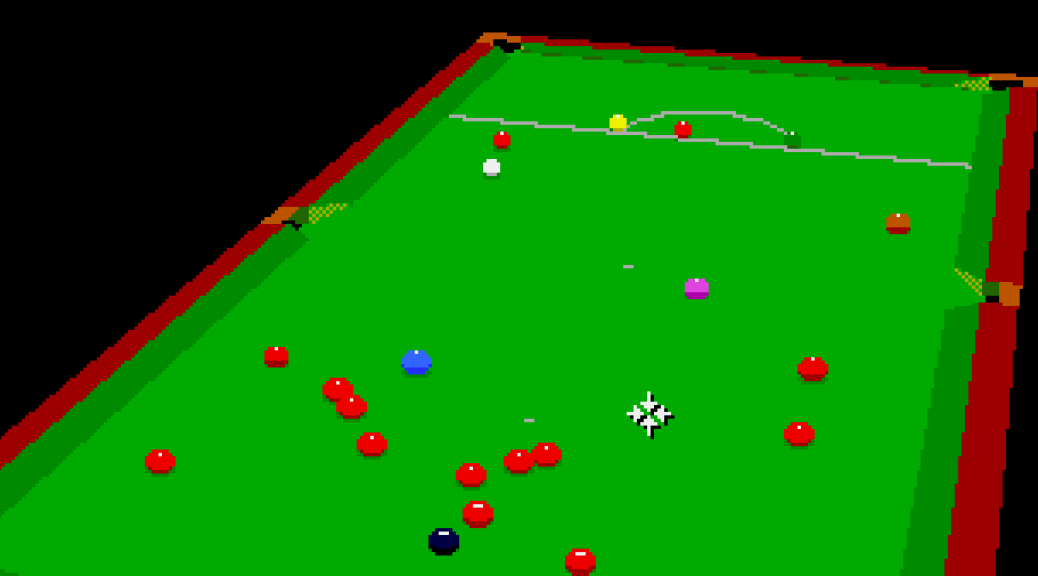
Jimmy White’s Whirlwind Snooker, Amiga
Programmed and designed by Archer MacLean and published by Virgin Games in 1991, Jimmy White’s Whirlwind Snooker was one of the first ever billiards simulations to use 3D graphics to represent the table, and it worked very well.
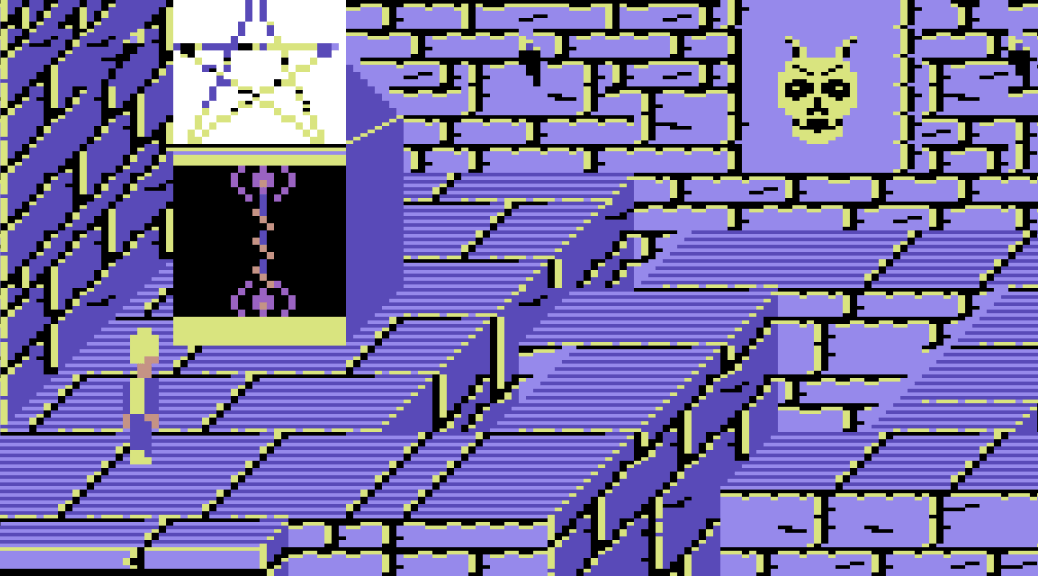
The Staff of Karnath, Commodore 64
The first game in the Sir Arthur Pendragon series, The Staff of Karnath was released on the Commodore 64 in 1984 to some acclaim. Mostly because it was an Ultimate game, and in the eyes of many people (myself included), Ultimate could do no wrong.

The Last Ninja 3, Commodore 64
The Last Ninja 3 was released by System 3 in 1991 and it follows the same isometric/action template as the previous two games.
Again: there are refinements and differences that make The Last Ninja 3 a worthwhile game in its own right – in particular: the graphics, which are more detailed and colourful than seen previously.
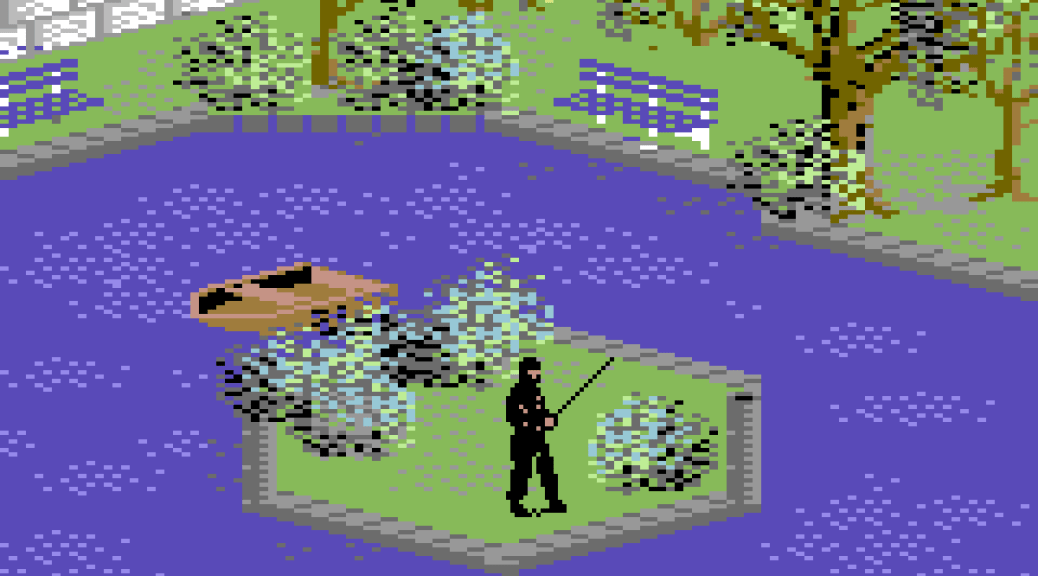
The Last Ninja 2, Commodore 64
The sequel to the classic The Last Ninja was first released by System 3 in 1988 – one year after the original game.
It was designed by the same team as made the first game, except this time they had on board the highly-respected John Twiddy as writer/coder, and Matt Gray doing music.
Graphically, The Last Ninja 2 is arguably better than its predecessor, with more colour and variety in the environments, and some of the gameplay niggles from the first game have thankfully been addressed too. In particular: it is now easier to pick things up!

