
The 1985 ZX Spectrum version of Mastertronic‘s Chiller was coded by Richard Wright, and is pretty much the same as the original C64 version, except that it doesn’t have any music (which was probably a good thing, from a legal standpoint), and the graphics are even worse.
Tag Archives: 8-bit
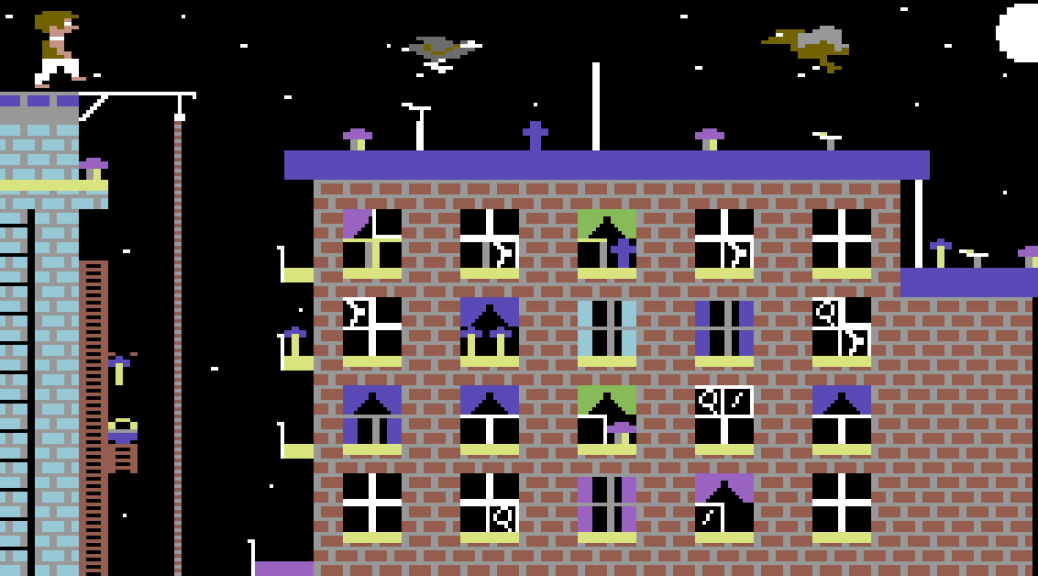
Chiller, Commodore 64
Chiller is a simple platform game set over five different screens, and the aim is to rescue your girlfriend who is located in a haunted house at the end of the game. You jump around and collect ‘magic crosses’ to transition to the next screen. An energy bar indicates the player’s health. Touching enemies, or red mushrooms, depletes health, and collecting pink mushrooms increases it. If the bar reaches zero it’s game over – you only have one life.

Big Trouble in Little China, Amstrad CPC
The 1987 Amstrad CPC version of Big Trouble in Little China is more or less a direct port of the ZX Spectrum original, but with slightly more colour in the graphics. It is noticeably slower than the Spectrum version, though.
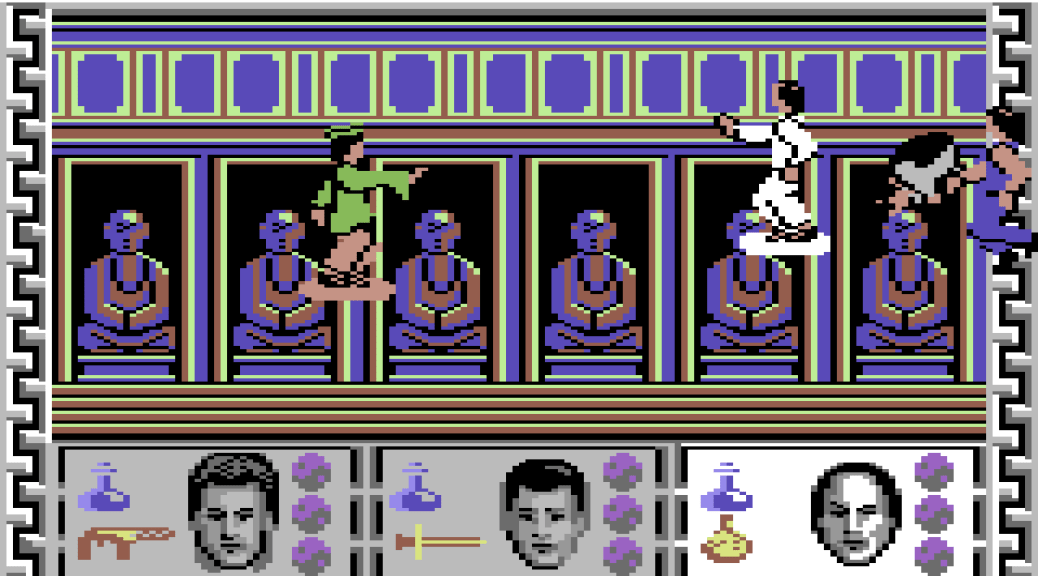
Big Trouble in Little China, Commodore 64
Based on the 1986 John Carpenter film of the same name, Big Trouble in Little China is a side-scrolling action game designed by Mev Dinc and published by Electric Dreams Software for the C64 in 1987. And it is pretty lame, it has to be said.
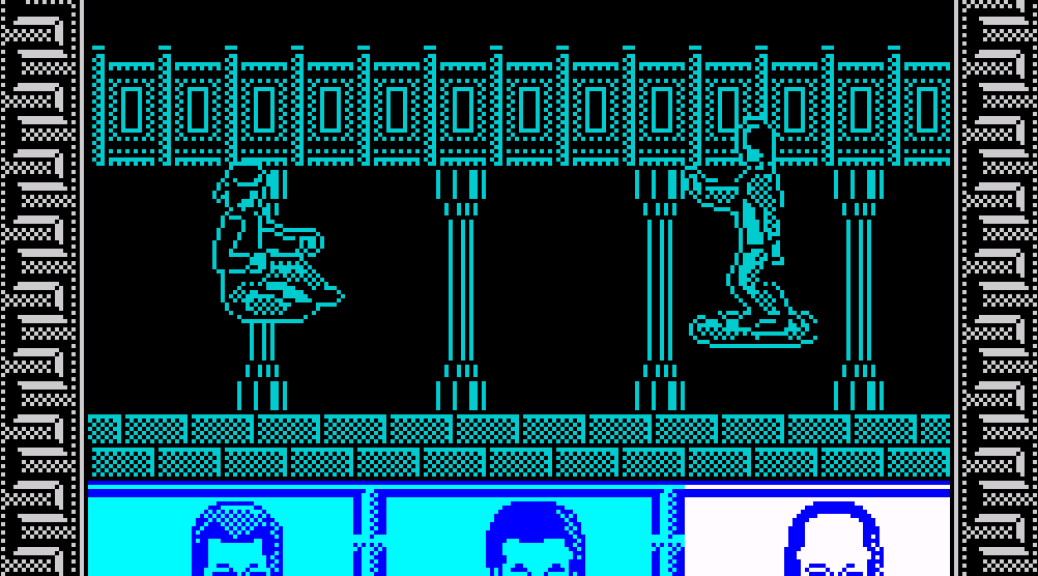
Big Trouble in Little China, ZX Spectrum
The ZX Spectrum version of Electric Dreams‘ Big Trouble in Little China was the first released, coming out the same year as John Carpenter‘s famous film, in 1986. The Amstrad CPC and Commodore 64 versions followed later, in 1987.

Commando, ZX Spectrum
The ZX Spectrum version of Capcom‘s Commando was programmed by Keith Burkhill and Nigel Alderton, with graphics by Karen Trueman and Rory Green. It was first published by Elite Systems in 1985.

Heartland, ZX Spectrum
Heartland is a platform action game developed and published by Odin Computer Graphics for the 48K ZX Spectrum in 1986. It features gameplay that is similar to previous Odin games, Nodes of Yesod and Arc of Yesod, with a well-animated protagonist exploring a maze-like platform world of doors and elevators.
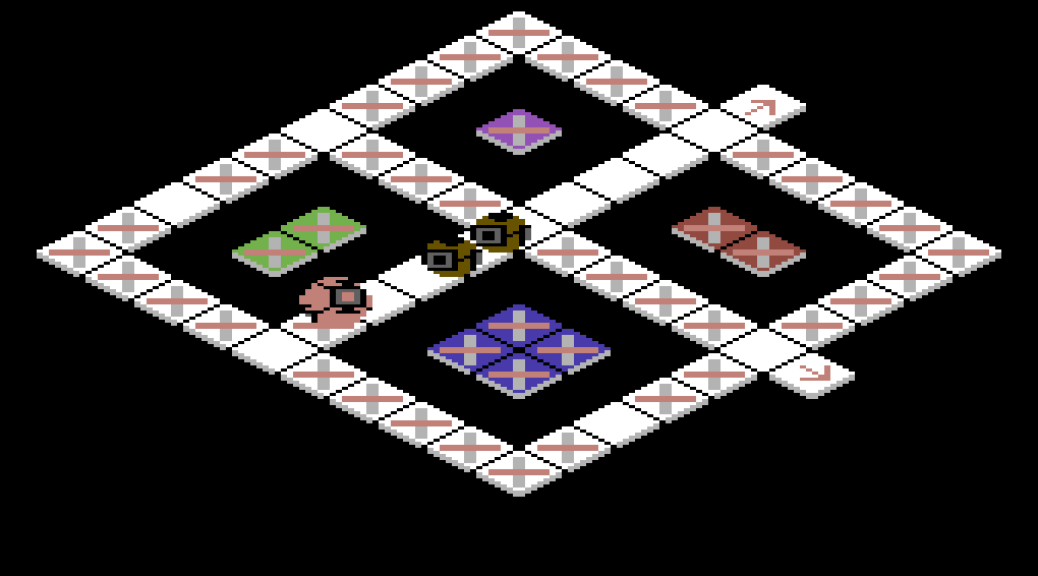
Rollaround, Commodore 64
Rollaround is an isometric action/puzzle game written by Tony Kelly of Mr. Chip Software and was published by Mastertronic in 1987. The gameplay is a combination of Marble Madness, Bobby Bearing, Spindizzy and Q*Bert, where the aim is to control a rolling ball that moves around a map of screens, rolling over tiles, activating switches, and collecting cross tiles for points.

Flimbo’s Quest, Commodore 64
Flimbo’s Quest is a scrolling platform shooter that basically recycles the gameplay from the classic C64 game, Hawkeye. Designer/programmer Laurens van der Donk was a member of demo scene coders Boys Without Brains (who created Hawkeye), which explains the connection. From what I can tell, though, van der Donk was not involved in creating Hawkeye, so I’m not entirely sure how or why Flimbo’s Quest came to be.

Mercenary: The Second City, ZX Spectrum
Mercenary: The Second City is an add-on for the classic game Mercenary that gives the player a new environment and new missions to solve. It was first released for the ZX Spectrum in 1988.

