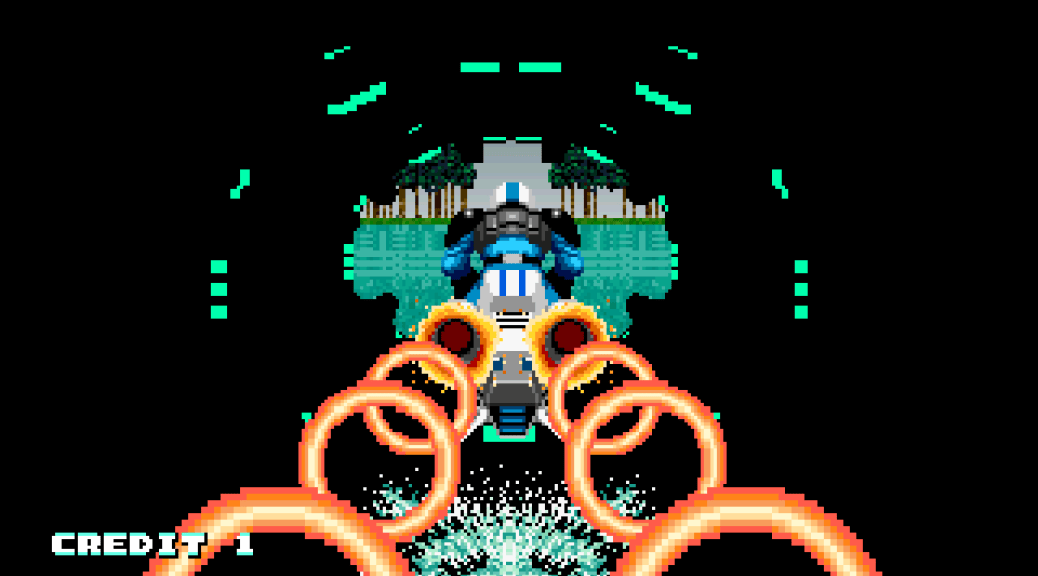
A.B. Cop is an arcade game developed by Aicom and released by Sega in 1990. The “A.B.” stands for Air Bike. So it’s “Air Bike Cop“. A.B. Cop uses the “Sega X Board“, which originated with 1987’s After Burner.
Tag Archives: Pixel Art
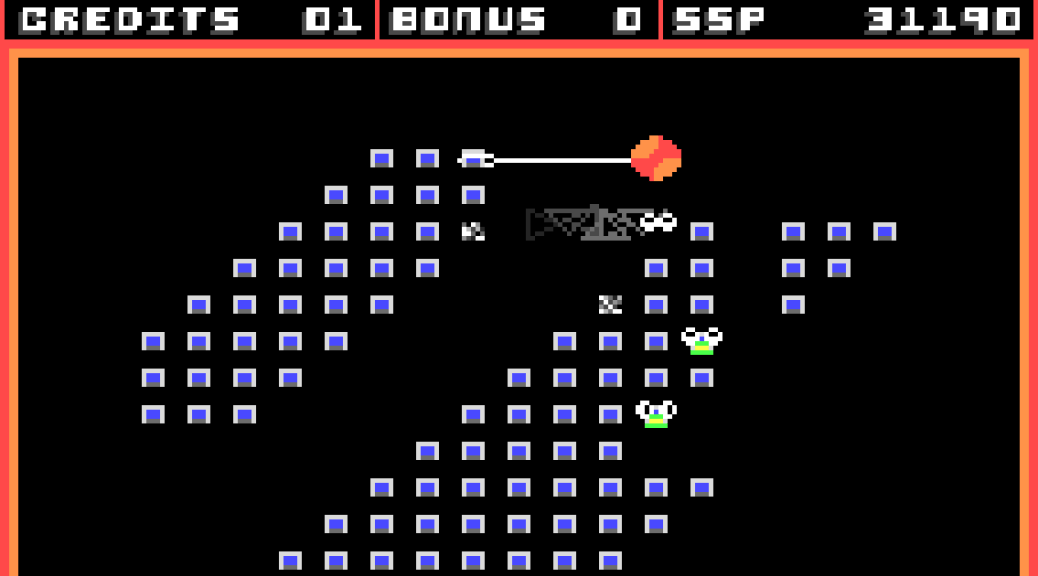
The Electric Yo-Yo, Arcade
The Electric Yo-Yo is an obscure arcade game released by Taito in 1982. And, by the looks of it, it uses the same hardware as Qix, because there are similarities to that game.
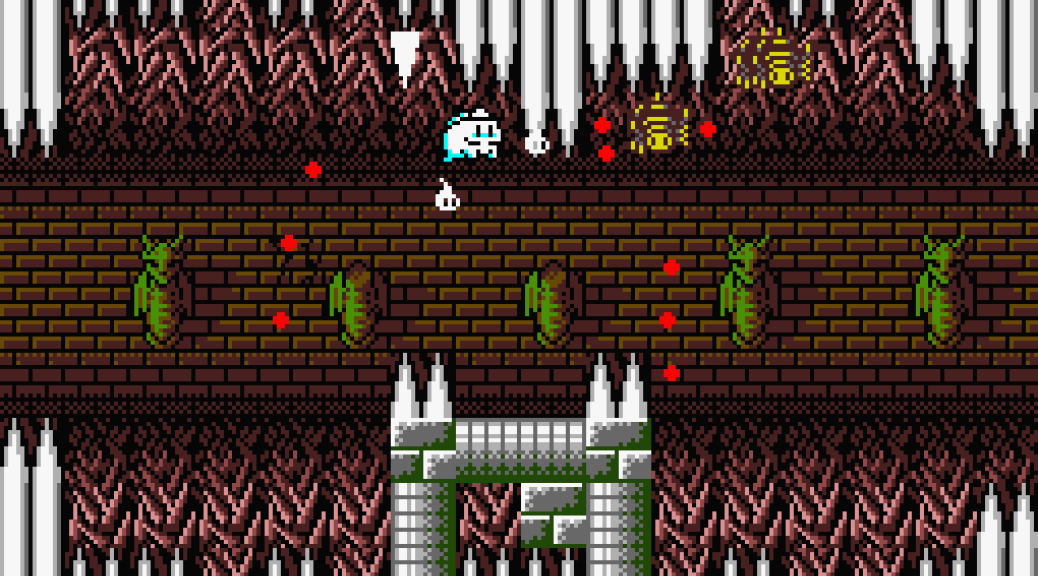
Mr. Ghost, MSX
Mr. Ghost – aka “Yuureikun” – is an interesting flick-screen action game, published by System Sacom for the MSX2 in 1989. In it you play a ghost who must make his way through a series of levels, knocking out enemies along the way. An English fan translation makes the game playable outside of its native Japan.
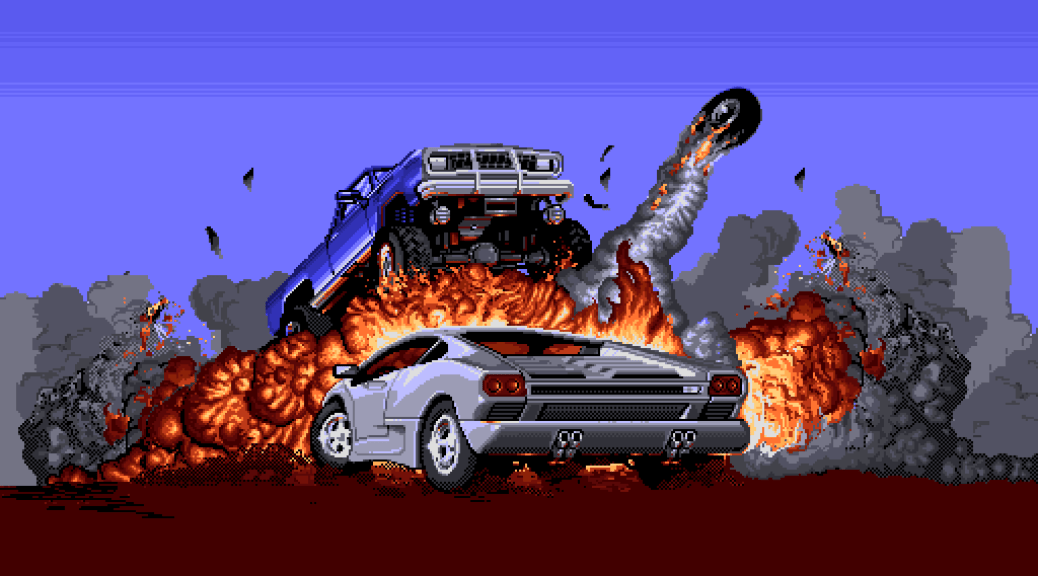
RPM Racing, Super Nintendo
RPM Racing for the SNES is an isometric, split-screen racing game that was developed by Silicon & Synapse (the company that later became Blizzard) and published by Interplay in 1991 in North America, and in 1992 in Japan. I don’t think it was ever given an official European release. The RPM part of the title stands for: “Radical Psycho Machine“.
It is the predecessor to Rock n’ Roll Racing (1993), and the successor to Racing Destruction Set (1984). They apparently took the core logic editor and track editor from Racing Destruction Set and ported it over to the SNES, before customising it with everything else they wanted in the game.
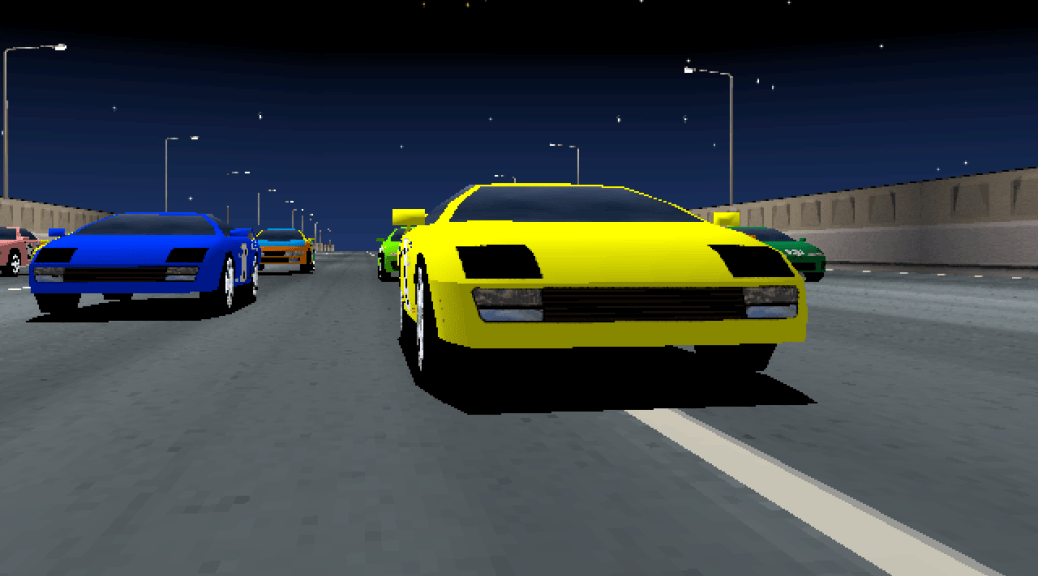
Ridge Racer 2, Arcade
Ridge Racer 2 is the sequel to the smash hit, Ridge Racer. It was developed by Namco and first released into arcades in 1994.
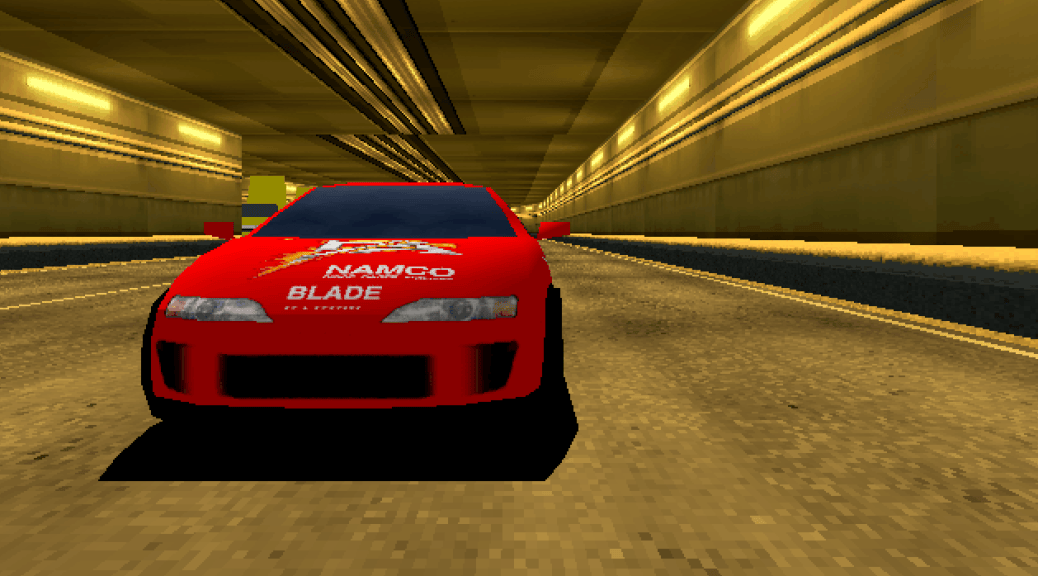
Ridge Racer, Arcade
Ridge Racer is a classic arcade racing game, developed and distributed by Namco in 1993. It uses the Namco System 22 arcade board and is notable for being the first arcade videogame to use texture-mapped 3D graphics.
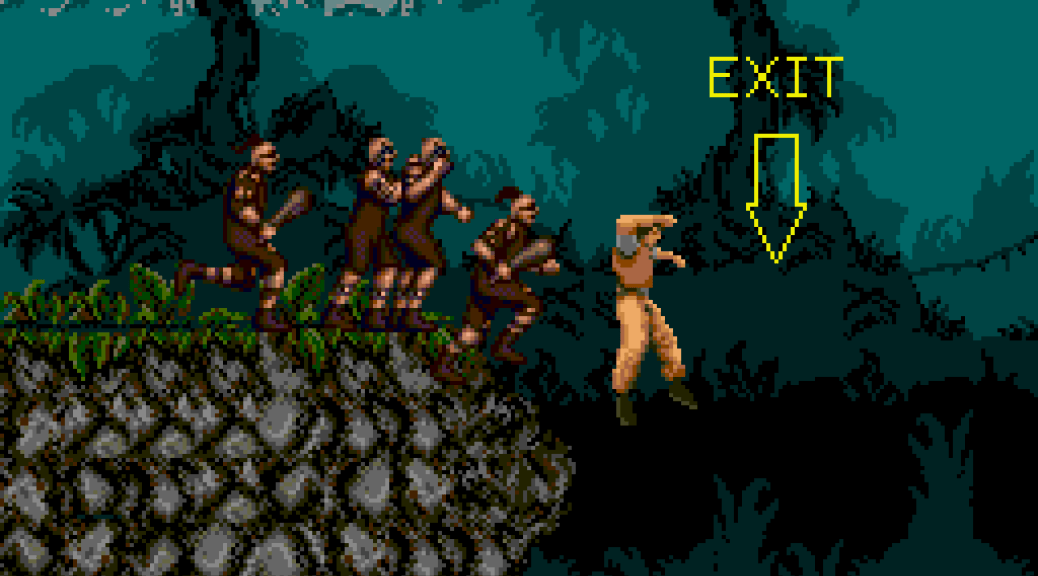
No Escape, Megadrive/Genesis
No Escape was developed by Bits Corporation, and published by Psygnosis for the Megadrive and SNES, in 1994. It is based on the science fiction action film of the same name, starring Ray Liotta and Lance Henriksen.
You play as inmate J.T. Robbins (a highly-trained ex-Marine), trying to escape Absolom penal colony island.
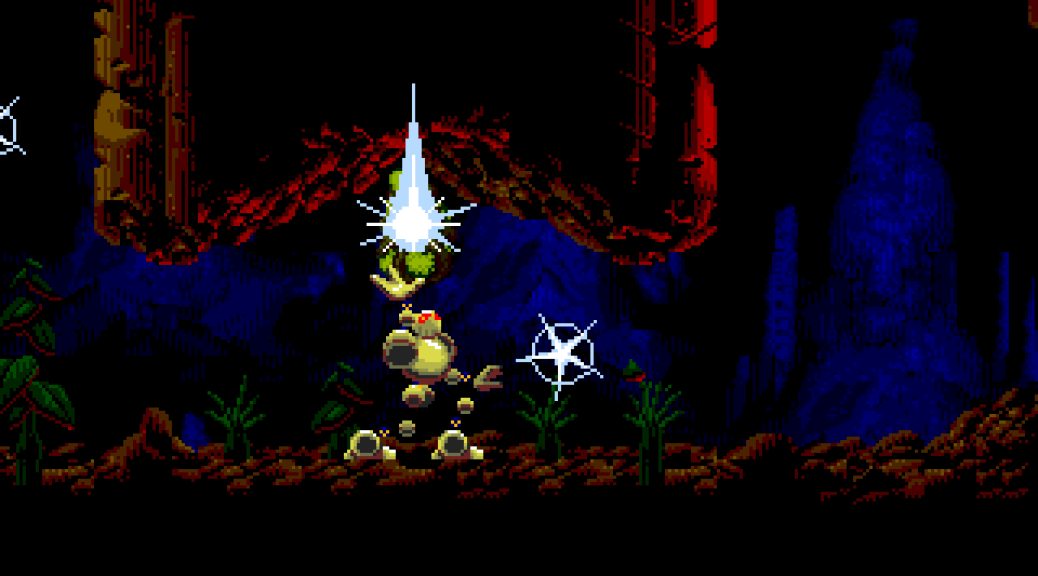
Vectorman 2, Megadrive/Genesis
The sequel to the smash-hit Vectorman was once again developed by the talented team at BlueSky Software, and again published by Sega – this time in 1996.
Vectorman 2 expands upon the first game with more levels and more features. Graphically, it’s moodier too, with bold and very subtle use of light and dark at certain times, and even more impressive lighting effects on Vectorman himself.
Together, Vectorman 1 and 2 make a great duo. A smash hit, followed by a hit sequel. Both are still well worth playing today.
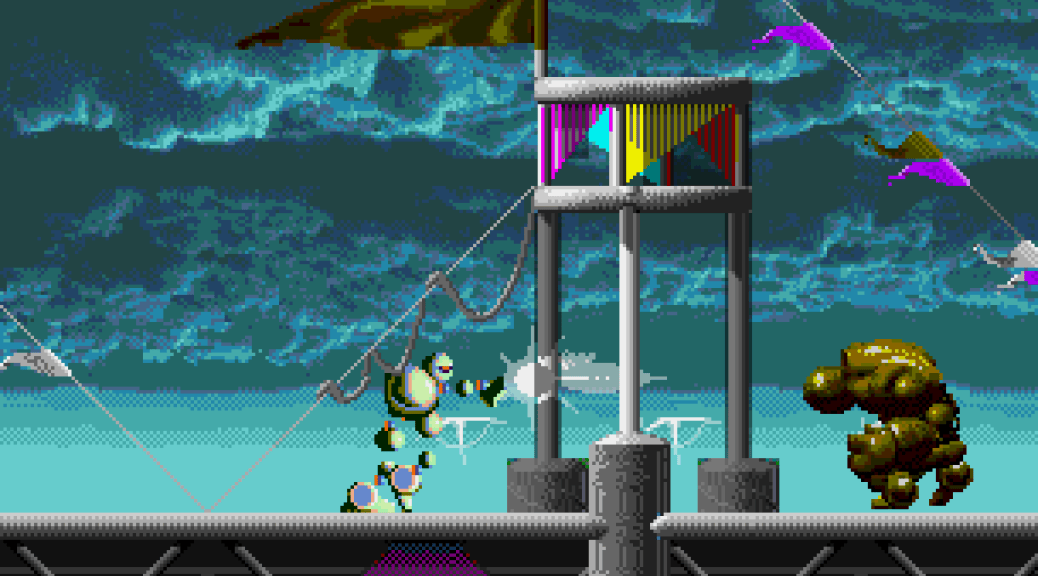
Vectorman, Megadrive/Genesis
Developed by BlueSky Software of California and published exclusively for the Megadrive/Genesis by Sega in 1995, Vectorman is an extremely well-regarded platform/action game with outstanding presentation and a humorous backstory.
The year is 2049 and the Earth has been overwhelmed with pollution. It’s so bad that humans have left, to live in space, sending automated robots down to Earth to try to reverse the out-of-control climate change. After interfacing with a nuclear warhead one of the robots becomes self-aware and declares itself to be “WarHead – The Destroyer of Humanity“. WarHead reprograms all the other robots and turns them against the humans, taking over Earth. You, as Vectorman, are a weird-looking robot that is returning from a dumping mission to the sun, and has inadvertently stumbled upon this bad situation. Since Vectorman is immune to WarHead‘s mind control, he sets out to save the Earth by destroying him.
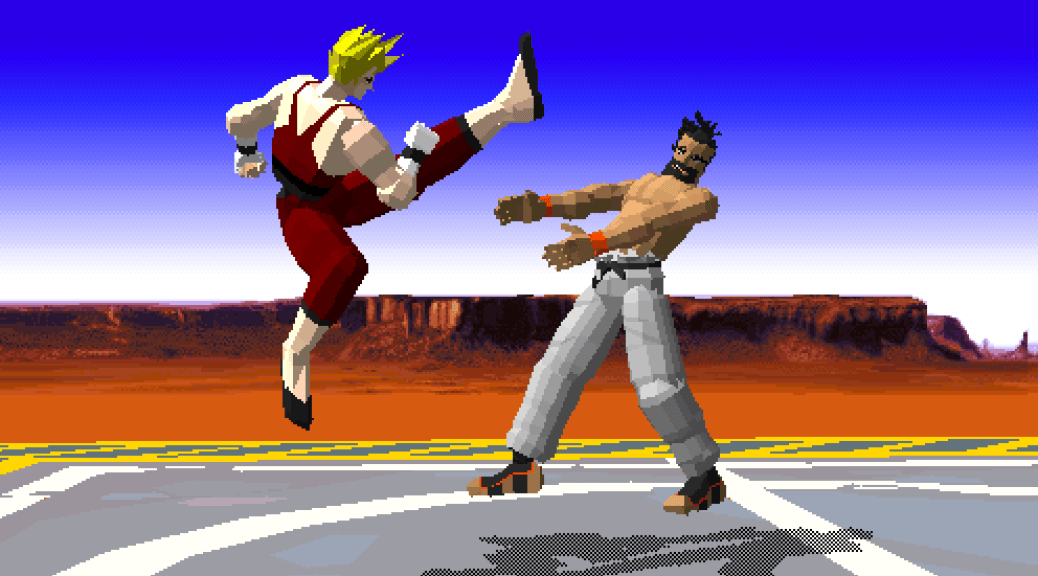
Virtua Fighter, Arcade
Sega‘s Virtua Fighter was the first arcade fighting game to feature full 3D graphics, and was initially released in October 1993. It was a product of Sega‘s AM2 R&D team, a development group within Sega headed by Yu Suzuki, using the Sega Model 1 arcade board.

