
Rogue on the ZX Spectrum was developed by Icon Design and published by Mastertronic Added Diminsion in 1988. And it’s a pretty poor conversion of the classic dungeon-crawler.
Tag Archives: fantasy

Rogue, Commodore 64
The Commodore 64 conversion of Rogue was developed by Icon Design and published by Mastertronic in 1988, and it is a bugged, incomplete, and un-finishable version of the game that demonstrates the utter contempt for which Mastertronic held for both the game, and for gamers who paid money for it.

Rogue, Atari ST
The Atari ST version of the classic dungeon-crawler, Rogue, is arguably the best conversion of the game out there. It was developed by A.I. Design and published by Epyx in 1986 and combines the best bits from the original with new graphics and a few new features of its own.
Rogue, PC
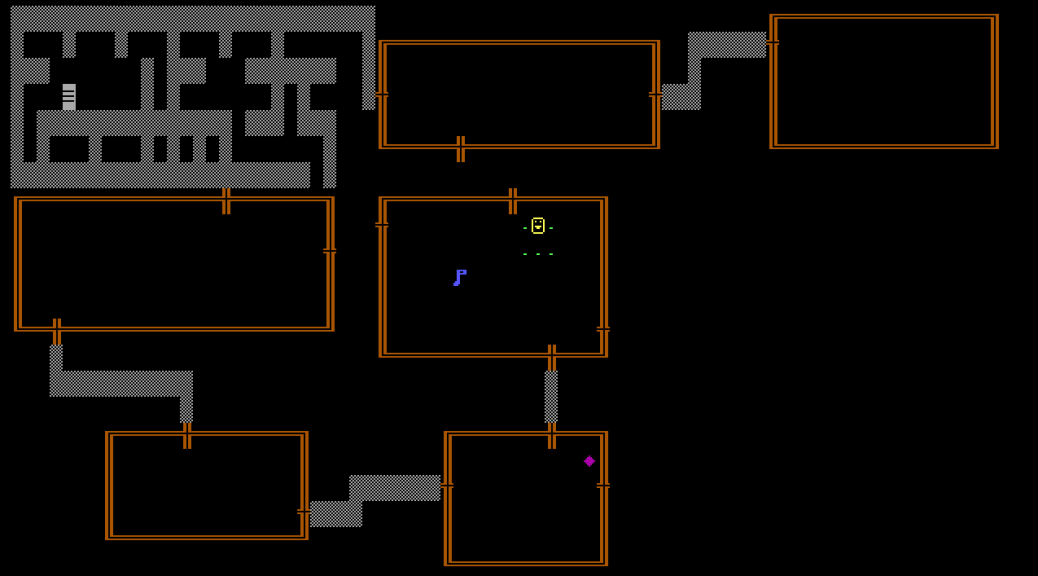
Rogue is an influential dungeon-crawling Role-Playing Game originally created by Michael Toy and Glenn Wichman (with later contributions by Ken Arnold) for Unix-based mainframes in 1980.
The original version of Rogue used the ASCII character set (text symbols) to create the world, and that is what you can see here in this first commercial version of game, published by Epyx in 1985.

Fade to Black, PlayStation
Fade To Black is a 3D action adventure game developed by Delphine Software and published for the PlayStation by Electronic Arts in 1996 (the MS-DOS version came out earlier, in 1995). It is the sequel to the classic 1992 platform game, Flashback.

Magician Lord, Neo Geo
Magician Lord is a bit of a rarity on the Neo Geo – it’s a scrolling action game based on fantasy characters. It’s like a run-and-gun game with magic, basically. Not the kind of game you see very often on the Neo Geo, and it’s a decent game to boot.

Crusader of Centy, Megadrive/Genesis
Crusader of Centy is a Zelda-like action/adventure game developed by Nextech and published by Atlus in North America and Sega in Japan and Europe. The game was released in Japan first – in 1994 – and everywhere else in 1995. In Europe the game was re-named as “Soliel“.
Mystic Ark, Super Nintendo
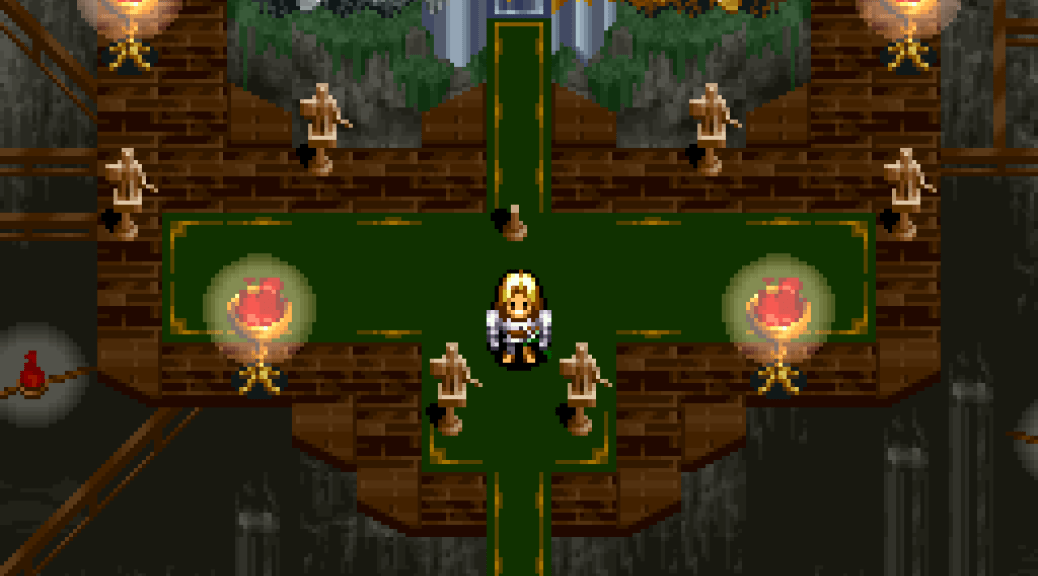
Developed by Produce! and published by Enix in 1995, Mystic Ark was only ever released in Japan for the Super Famicom, although an English fan translation does exist, making the game playable to Western audiences. And it is a very good RPG, well worth playing now.
Mystic Ark has been described by some as “The 7th Saga II“, and while it does share some similarities with The 7th Saga (by having a circular monster radar and also featuring some of the same monsters) it is not really a sequel as it plays quite differently.

Brain Lord, Super Nintendo
Brain Lord is a strangely-titled, obscure Japanese action RPG developed by Produce! and published by Enix for the Super Nintendo in 1994. The game was officially translated into English and released in North America, but was never released in Europe.
The 7th Saga, Super Nintendo
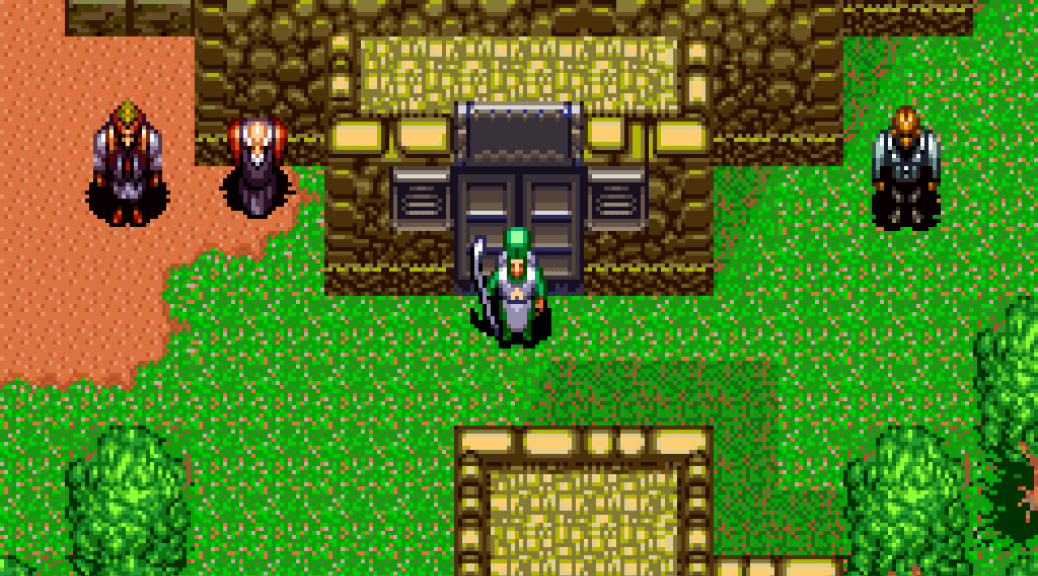
The 7th Saga is an obscure Japanese Role-Playing Game developed by Produce! and published by Enix for the Super Nintendo in 1993.
The story and gameplay of The 7th Saga are fairly simple – at least when compared to other SNES RPGs, like Seiken Densetsu 3 – but the game moves at a quick pace and also has a few unique features of its own that make it memorable.
 The King of Grabs