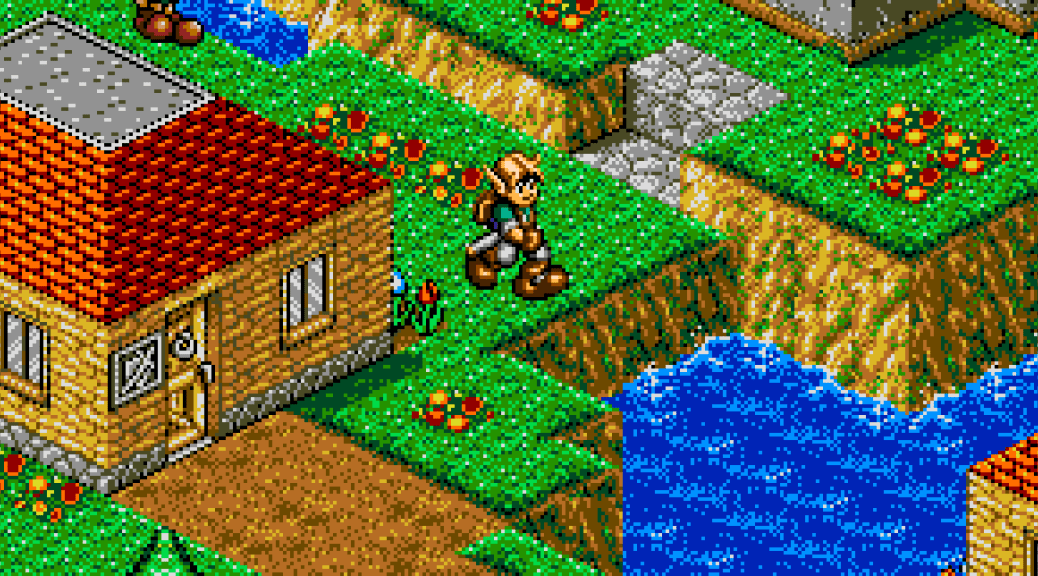
Released in its native Japan in 1992, and everywhere else in 1993, Landstalker is a memorable real-time action adventure in a well-defined fantasy world. The Megadrive‘s answer to Zelda, in some respects.
Tag Archives: 2D graphics
Flat, two-dimensional graphics, usually constructed of pixels. Not three-dimensional.

Laser Squad, ZX Spectrum
Another Julian Gollop classic – Laser Squad was one of the earliest squad-based tactical combat video games, released in 1988, and was originally developed for the ZX Spectrum (and later converted to various other systems).

Championship Pool, Super Nintendo
Bitmasters‘ 1993 title Championship Pool for the SNES is – I think – arguably the best pool game of all time. On any system.

Asteroids, Arcade
Released in November 1979, Atari‘s Asteroids was an instant hit with gamers.
It featured a vector graphic-based, black and white display, with a player-controlled triangular ship, moving in space and firing at moving rocks.

Civilization, PC
Sid Meier‘s Civilization is a classic turn-based strategy game first released by MicroProse in 1991.
Since then it has been re-made and re-released many times, such is the allure of its classic gameplay.

Star Fire, Arcade
Exidy‘s Star Fire is one of the earliest colour video games ever made. It was first released into arcades in 1979, when most arcade games of the time used black and white displays.
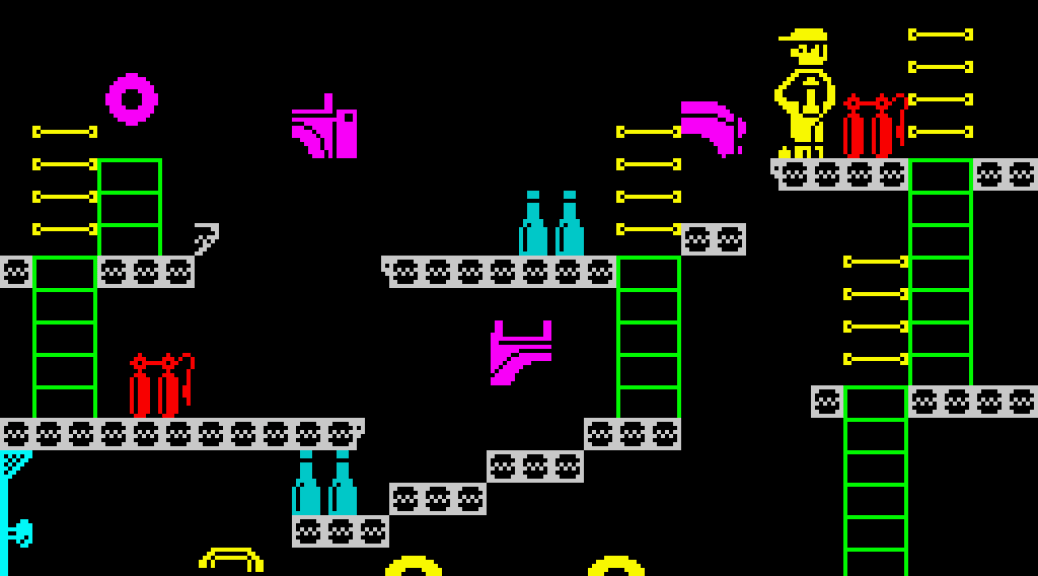
Automania, ZX Spectrum
Automania – developed by Chris Hinsley for Mikro-Gen in 1984 – is the first ever appearance of the character Wally Week.
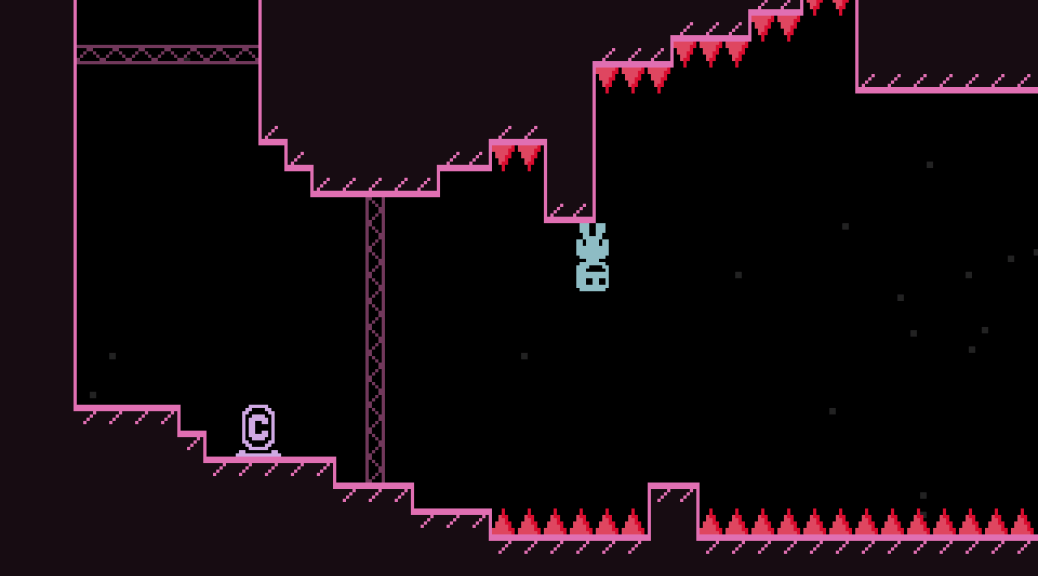
VVVVVV, PC
Terry Cavanagh‘s VVVVVV is an extremely smart-but-simple platform/indie game that feels a lot like a Commodore 64 game from the ’80s, although it was actually released in 2010.
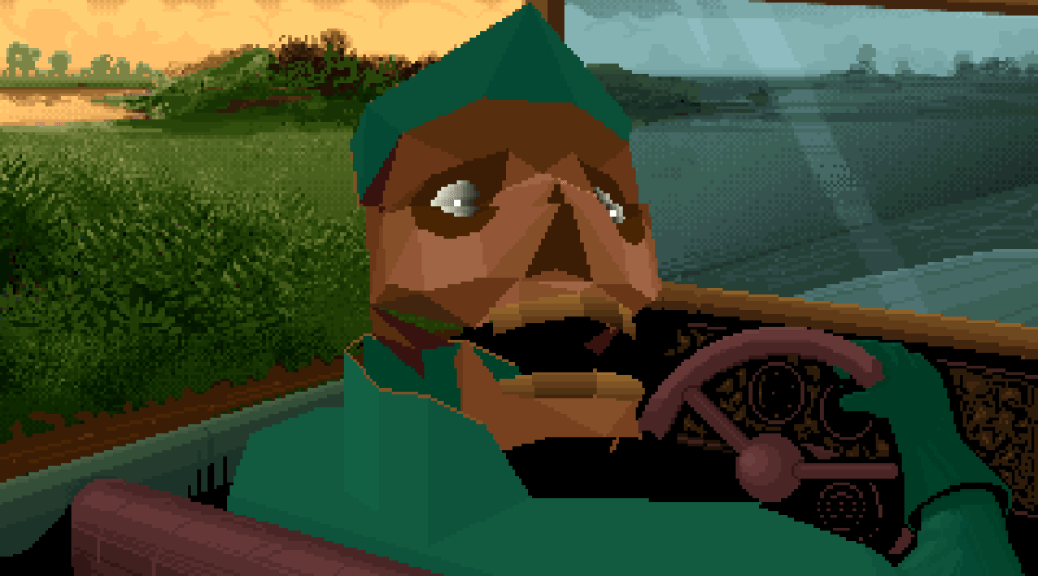
Alone In The Dark, PC
Infogrames‘ Alone In The Dark is one of the earliest survival horror games to use 3D graphics (mixed with 2D graphics), and it really broke new ground when it was first released back in 1992.

Mr. Gimmick, NES/Famicom
Known as Gimmick! in Japan and Mr. Gimmick everywhere else, this 1992 release was an attempt by Sunsoft to push the graphical powers of the Nintendo Entertainment System further than they’d ever been pushed before (in order to compete with the Super Nintendo, which was relatively new on the market).
In order to do this, Sunsoft used all kinds of clever programming techniques using graphical tilesets and colours, and the end result is very striking. But it wasn’t enough to compete with the newer consoles of the time and Mr. Gimmick sank without a trace, into relative obscurity.
 The King of Grabs