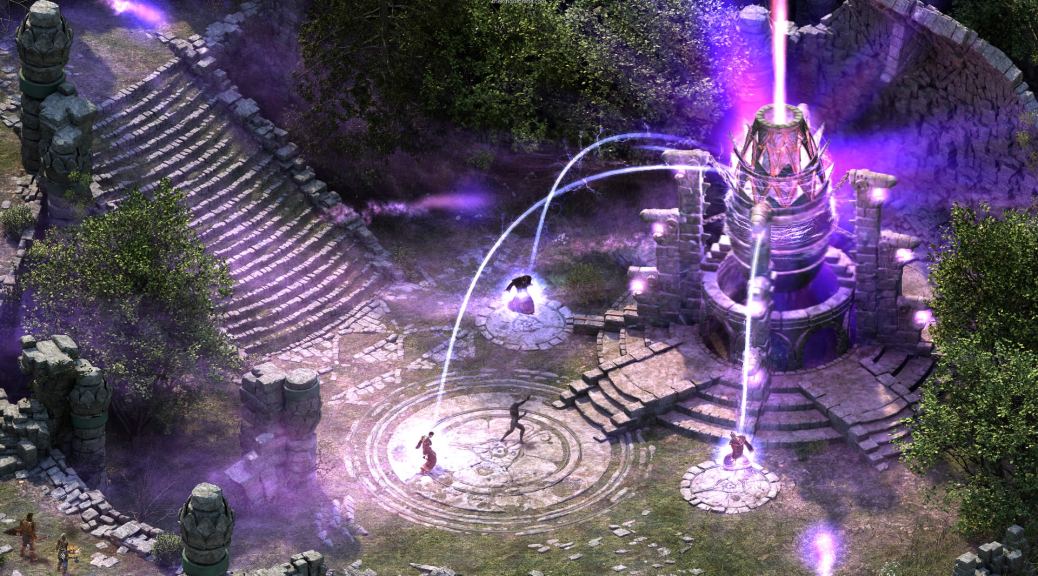
Developed by Obsidian Entertainment and first released in 2015, Pillars of Eternity is an isometric RPG very much in the style of Baldur’s Gate, with a multi character party system, quests and turn-based combat.
Tag Archives: weapons

Desert Strike, Atari Lynx
This conversion of the classic Sega Megadrive/Genesis game, Desert Strike, is about as good as you could expect on the Atari Lynx. Meaning: that it is very, very good indeed.
In fact: it is surprisingly close to the original, but obviously with smaller, more condensed graphics.
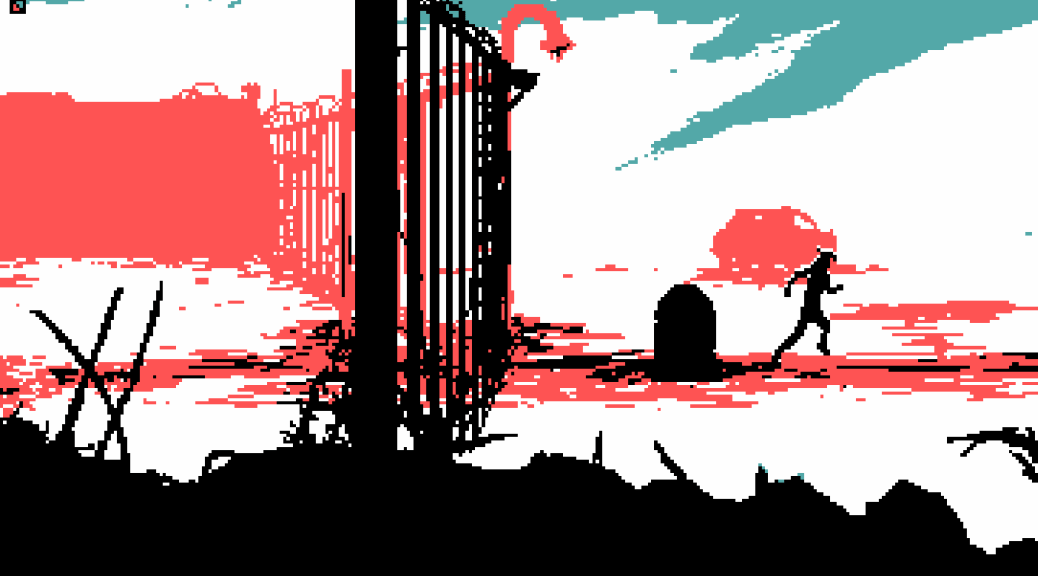
The Eternal Castle, PC
The Eternal Castle is a stunning platform/action indie game from Leonard Menchiari, Daniele Vicinanzo, and Giulio Perrone, and published by Playsaurus in 2019.
It is a tribute to games such as Another World, Flashback, Limbo, and INSIDE, and features a lone character, running from left to right, moving from puzzle to puzzle, trying to survive in a weird, dark world full of technology, destruction, mystery and death.

Shadow Warrior, PC
This remake of the classic Build engine shooter, Shadow Warrior, was developed by Flying Wild Hog and first released in 2013.
Like the original, it’s a hectic, balls-to-the-wall shooter that follows the exploits of a guy called Lo Wang and his fight against his boss, Orochi Zilla, and the mega corporation he commands (Zilla Industries).
I’ve played the second game extensively and really enjoyed it, so decided to buy this and see if it was any different. And it is!
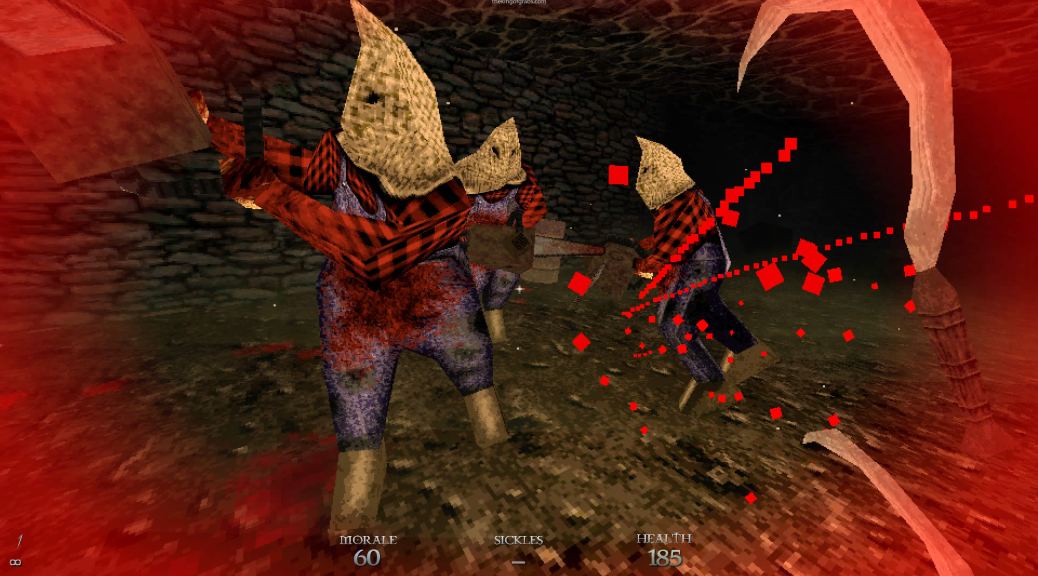
Dusk, PC
Dusk is a 2018 release from New Blood Interactive, developed by American programmer David Szymanski. It is a horror-themed first-person shoot ’em up with simplistic graphics, atmospheric music, lots of weapons, and plenty of blood and gore.
It doesn’t look like much when viewed as still screenshots, but the beauty of the game comes from its refined controls, interesting level design, and engaging, fast-paced gameplay.

Navy SEALS, Commodore 64
Licensed from an Orion Pictures film of the same name, Navy SEALS is a surprisingly decent release from Ocean.
No one remembers the film at all, although quite a few remember this 1990 game, and generally think quite highly of it.

Phantasy Star III, Megadrive/Genesis
The third Phantasy Star game, subtitled Generations of Doom, was released for the Megadrive by Sega in 1990.

The Immortal, Megadrive/Genesis
The Immortal is a legendary RPG from Electronic Arts that was originally released for the Apple IIgs, then later ported to other systems, including this 1991 Megadrive conversion which is arguably the best version of The Immortal out there.
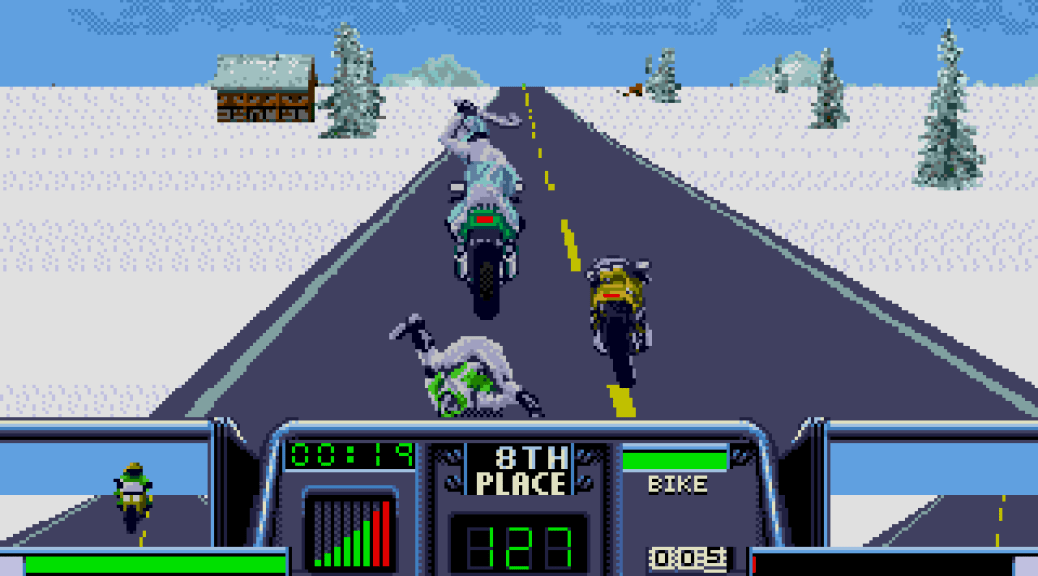
Road Rash 3, Megadrive/Genesis
The third Road Rash was released exclusively for the Sega Megadrive by Electronic Arts in 1995 and it carries on the fine tradition of “video game violence on a motorcycle for one or two players”.

The Untouchables, Commodore 64
The Untouchables is a classic movie-licensed action game developed and published by Ocean Software in 1989. It mixes a number of different gameplay styles.

