***CANNED GAME***
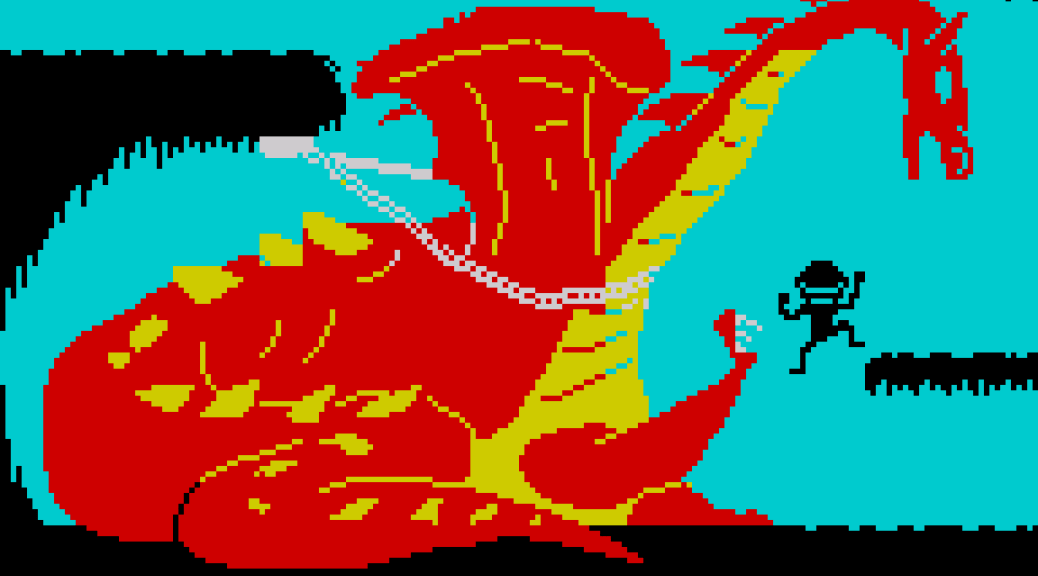
Death Pit was advertised extensively by Durell Software in 1985, but was never released. The completed full game has since been made available online, so you can still play it now.
***CANNED GAME***
Death Pit was advertised extensively by Durell Software in 1985, but was never released. The completed full game has since been made available online, so you can still play it now.
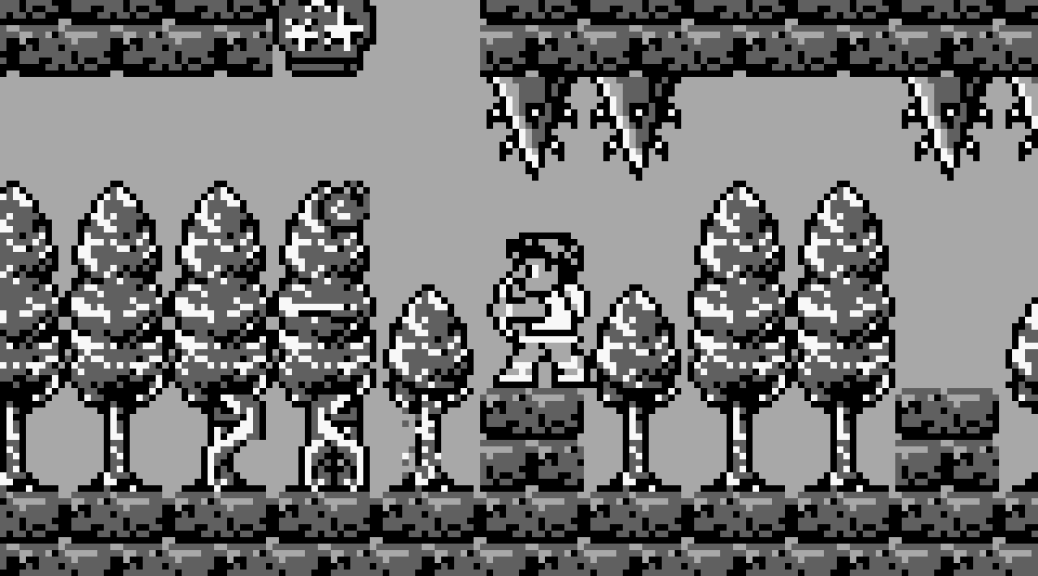
Developed by Nintendo and TOSE Co., Ltd., Kid Icarus: Of Myths and Monsters is the sequel to Kid Icarus – a much-loved game released for the Nintendo Entertainment System in 1986. Of Myths and Monsters was published by Nintendo, exclusively for the original Game Boy, in 1991 in North America, and 1992 in Europe. For some reason, it wasn’t released in Japan, where it was made.
Continue reading Kid Icarus: Of Myths and Monsters, Game Boy
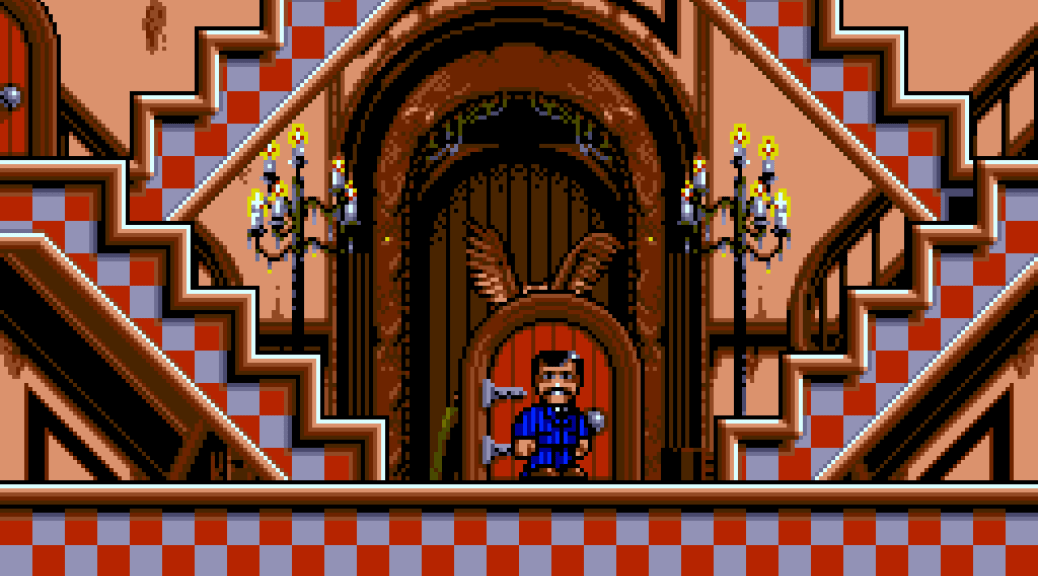
Based in the 1991 film from Paramount Pictures, The Addams Family is a cute and colourful platform game, developed and published by Ocean Software. The Atari ST version, featured here, was first released in 1992.
Seal of the Pharaoh is a first-person dungeon-crawler with a tomb-raiding ancient Egyptian theme. It was developed by System Sacom and published in 1994, exclusively for the 3DO, by ASK Kodansha in Japan and Panasonic in North America.
Developed by NCS Corporation and published by Masaya Games in Japan and NEC in North America in 1990, Double Dungeons is a one or two-player, first-person, dungeon-crawling JRPG with real-time combat. The game’s unique selling point is that it features two-player split-screen cooperative play, which is unusual for a game like this, and which makes it simultaneously playable with a friend.
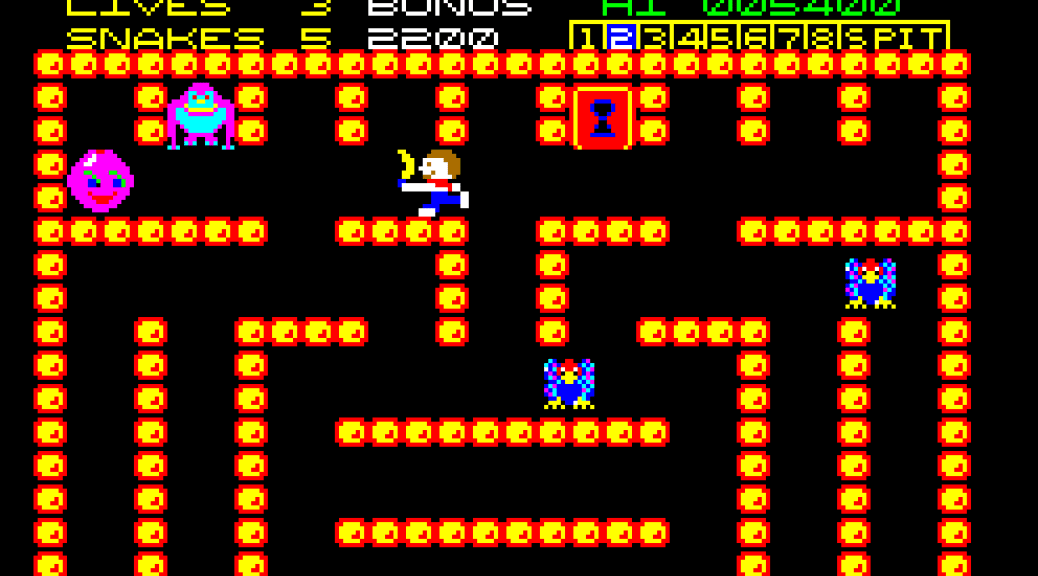
Dazzler is an obscure early arcade game – first released in 1982 – from UK-based Century Electronics. In it you play as “OH” (Our Hero) and must deliver bananas to a “monkey” (really an ape) inside a maze, and avoid chasing vultures.
Activision‘s classic underground rescue game, H.E.R.O., was released on Sega‘s SG-1000 console – in Japan only – in 1985, and it is somewhat different to all the other versions of the game out there.
The Atari 5200 version of H.E.R.O. was ported by The Softworks and published by Activision in 1984. It is definitely a step up from the original Atari 2600 version and is more or less identical to the Atari 8-bit version, but with slightly richer colours.
The Apple II version of John Van Ryzin‘s classic H.E.R.O. of course lacks the colour of other ports, but it still plays well enough. The game was converted by Charlie Heath (of Microsmiths) and published by Activision in 1984.
The MSX version of John Van Ryzin‘s H.E.R.O. was ported by The Softworks and published by Activision in 1984.




 The King of Grabs