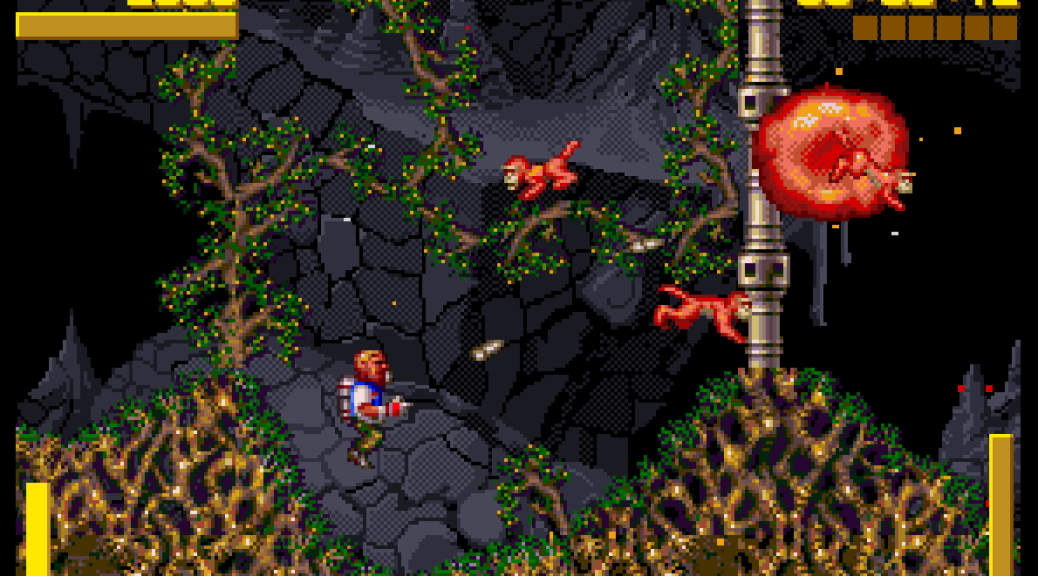
Jeremy Smith and Peter Irvin‘s groundbreaking Exile first came out on the BBC Model B in 1988 and was later converted to other systems.
The Amiga AGA version of Exile was handled by Audiogenic and came out in 1995.
Jeremy Smith and Peter Irvin‘s groundbreaking Exile first came out on the BBC Model B in 1988 and was later converted to other systems.
The Amiga AGA version of Exile was handled by Audiogenic and came out in 1995.
Jeremy Smith and Peter Irvin‘s groundbreaking Exile first came out on the BBC Model B in 1988 and was later converted to other systems.
The Amiga OCS version of Exile was handled by Audiogenic and came out in 1991.
The BBC Micro version was the very first version of Jeremy Smith and Peter Irvin‘s classic Exile, released through Superior Software in 1988.
Chris Hinsley‘s 1985 follow-up to Pyjamarama sees the return – once again – of Wally Week. The mechanic turned mundane video game hero.
The unique thing about Everyone’s A Wally is that you can switch between five different characters and go about your adventuring business – two years before Maniac Mansion.
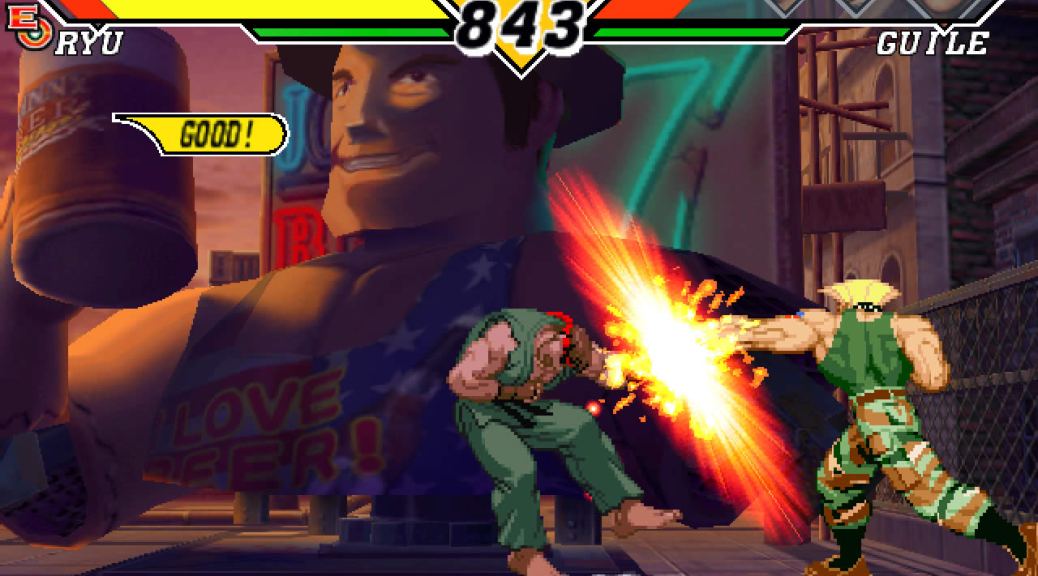
The “EO” part of Capcom vs. SNK 2 EO means: “Easy Operation”. Basically, this is the same game as the classic arcade beat ’em up of 2001, but with controls better suited to a gamepad. So, rather than hitting buttons to perform special attacks, you can now move the right analogue stick in a certain direction to activate them instead.
There were a number of decent Batman games on the ZX Spectrum, but this one from Jon Ritman and Bernie Drummond was particularly memorable. For having a pudgy Batman and an isometric viewpoint…
Batman was released by Ocean Software in 1986 and was Ritman and Drummond‘s first isometric game together.
Williams Electronics‘ savage and heart-pounding single-screen shoot ’em up, Robotron: 2084 (1982), used twin joysticks to give the player 360 degree firing action, while at the same time allowing full 360 degree movement.
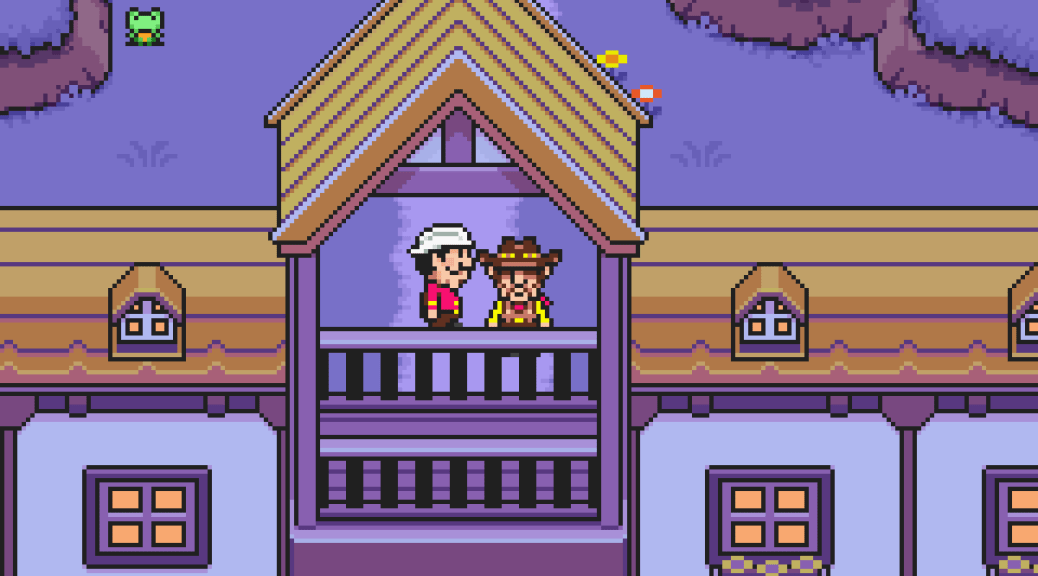
The third and final game in the Mother series, Mother 3, was released in Japan only in 2006 for the Nintendo Game Boy Advance.
Nintendo published the game, with development by Brownie Brown and HAL Laboratory – directed by Nobuyuki Inhoue and written by series creator Shigesato Itoi.
This 1994 cult classic Super Nintendo level-grinder was originally titled “Mother 2” in its native Japan – later changed in English-speaking territories to EarthBound.
This was due to the fact that no one outside of Japan had seen the first Mother (released in 1989 on the NES) and the bigwigs at Nintendo of America worried that it might confuse people.
This classic NES game was initially released in Japan in 1989 under the title of Mother.






 The King of Grabs