
There are two versions of Taito‘s classic arcade driving game, Chase HQ, available for the original Game Boy, and this is the first one – developed by British company Bits Studios and first released in 1990 in North America and 1991 in Japan.
Tag Archives: Violent

Castlevania: Legacy of Darkness, Nintendo 64
Set eight years before the events of Castlevania 64, Legacy of Darkness is a prequel to the first N64 Castlevania, featuring a ‘man-beast’ called Cornell who is trying to save his sister, Ada, from being used as a sacrifice to resurrect Dracula.
The game is set in 1844 and begins with Cornell arriving at his home village, only to discover that it’s been burnt to the ground by Dracula’s skeleton army. He finds Ada’s pendant on the ground and follows her scent to Dracula’s castle.
Continue reading Castlevania: Legacy of Darkness, Nintendo 64
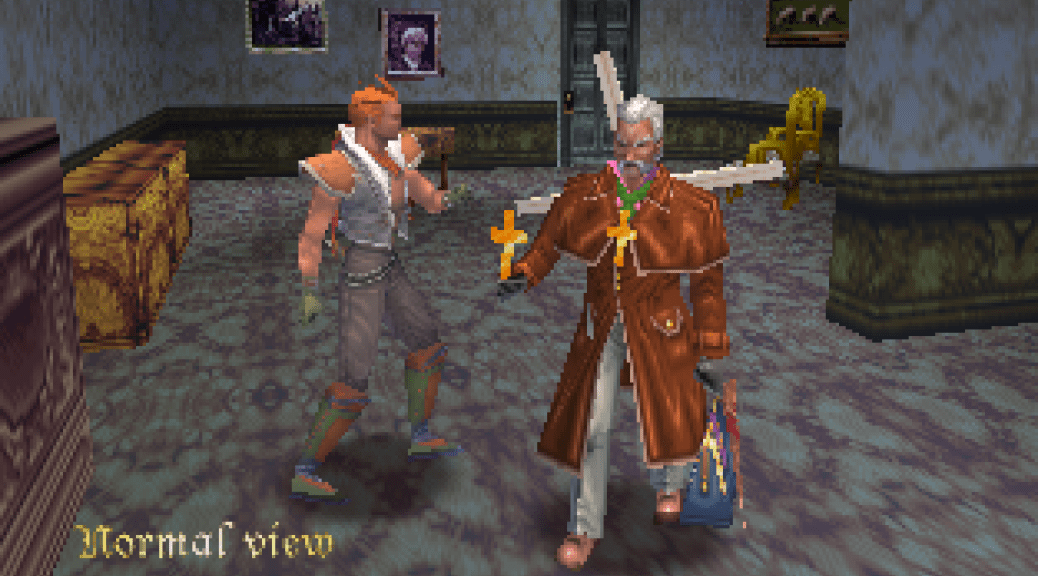
Castlevania, Nintendo 64
Developed by Konami‘s Kobe division and first released in 1999, Castlevania on the N64 (sometimes referred to as “Castlevania 64“) is a third-person 3D game – the first 3D game, in fact, in the popular horror/platform/action series.

Chase HQ, PC Engine
The PC Engine version of Taito‘s classic car chase game, Chase HQ, is pretty decent. It was ported by Daiei Seisakusho for Taito , and is reasonably accurate, although it’s not quite as good as the arcade original itself. No surprises there, really, because the PC Engine (or the North American TurboGrafx-16 counterpart) is a small 8-bit console that was known for punching above its weight, but it wasn’t able to perform miracles.

Aliens: Neoplasma, ZX Spectrum
Aliens: Neoplasma is a homebrew ZX Spectrum game that was released by a Russian dev team called “SaNchez” in 2019. The game is for Spectrum 128K models only and is a run-and-gun shooter with platforming elements. It’s available in English, Russian and Spanish (each language is a separate download).
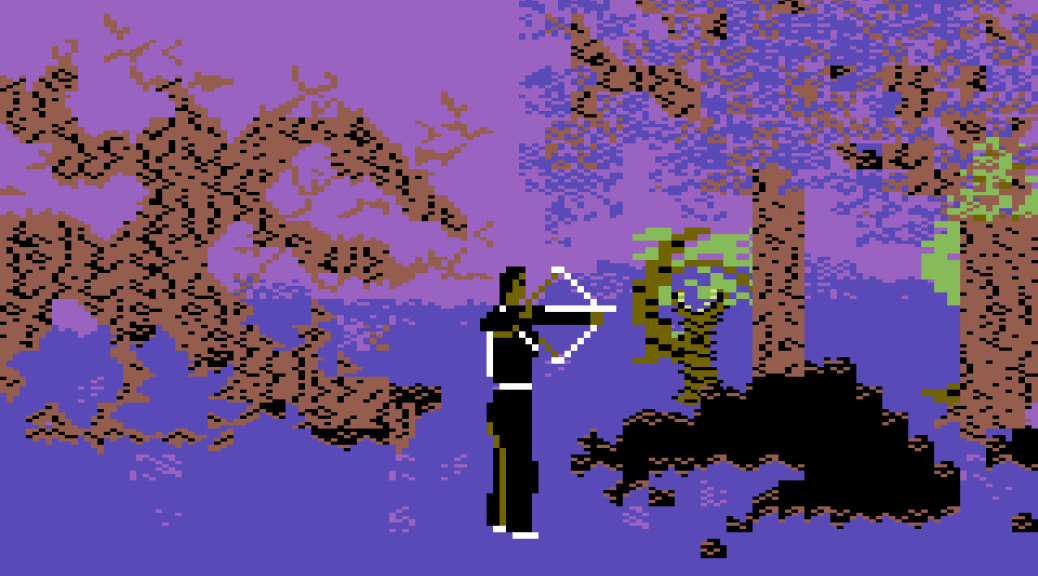
Beyond the Forbidden Forest, Commodore 64
Beyond the Forbidden Forest is the 1986 sequel to 1983’s classic 8-bit survival horror game, Forbidden Forest. It was again devised and programmed by Paul Norman, and published by Cosmi Corporation in North America and US Gold in Europe.

Cannon Fodder, Amiga CD32
The Amiga CD32 port of Cannon Fodder was developed by Arch Rivals and published by Virgin Interactive in 1994. Of course the game does have mouse support (as if it wouldn’t…), and it plays extremely well. In fact: some may argue that this is the best version of Cannon Fodder ever released.

Cannon Fodder, Megadrive/Genesis
The Megadrive/Genesis version of Sensible Software‘s classic Cannon Fodder is not the one I think of when I think “Cannon Fodder“, but it’s actually a really good port. The game was converted by PanelComp, who also made the excellent SNES version, and it too supports mouse play. Which is important, because without using a mouse it’s impossible to attain the right kind of intensity needed to play Cannon Fodder properly. IMHO.

Cannon Fodder, Super Nintendo
The Super Nintendo version of Cannon Fodder was coded by Andy Onions, John Rocke and Steve Caslin, with graphics conversion by Doug Townsley and sound and music adaptation by Allister Brimble. The SNES port was published by Virgin Interactive Entertainment in 1994 and you’ll be pleased to know that it does indeed support the use of the SNES mouse, which makes all the difference.

Cannon Fodder, 3DO
Sensible Software‘s classic point-and-click shooter, Cannon Fodder, was ported by Krisalis Software and released for 3DO systems in 1994 by Virgin Interactive. And it is a playable and accurate port of the original, but unfortunately there doesn’t seem to be any mouse support – you can only play the game using a gamepad. Which is a little disappointing because Cannon Fodder was designed to be played with a mouse. Thankfully it still works okay with a gamepad*.
 The King of Grabs