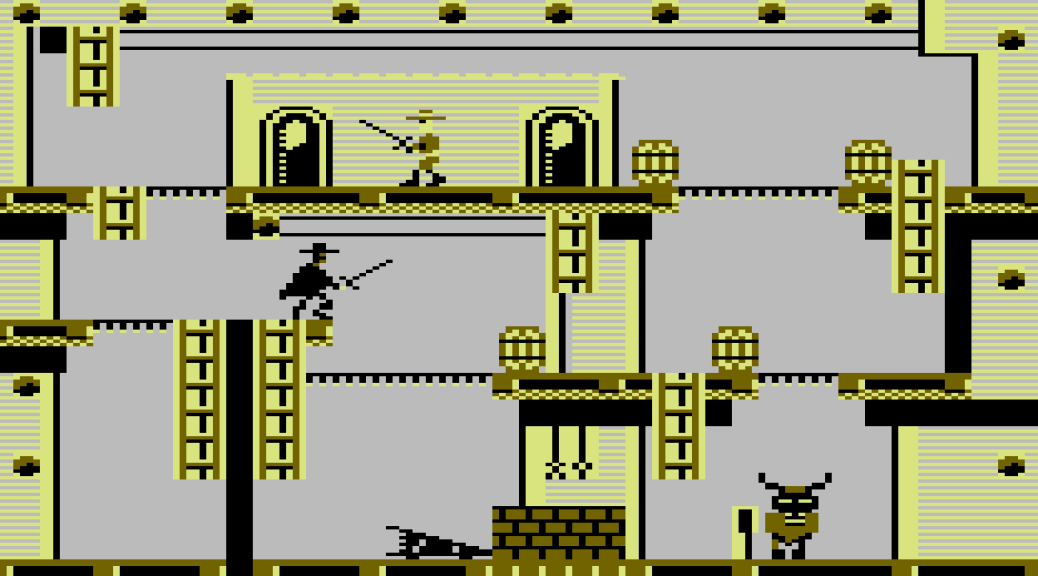
Zorro (Spanish for ‘fox’) is an 8-bit platform game developed by Datasoft and published by US Gold in 1985. It was written by James Garon, with graphics by Kelly Day, and is based on a fictional character created by American writer Johnston McCulley.
Tag Archives: swords
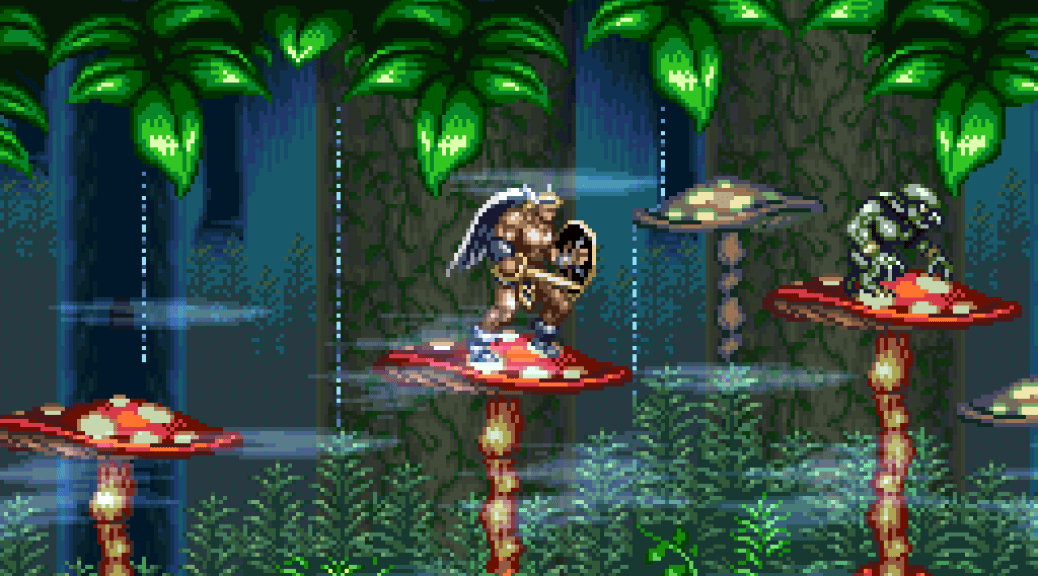
ActRaiser 2, Super Nintendo
ActRaiser 2 is the sequel to the classic Super Nintendo game, ActRaiser, and was once again developed by Quintet and published by Enix (Ubisoft in Europe), coming out this time in 1993.

ActRaiser, Super Nintendo
ActRaiser is an interesting Japanese fantasy action game that was developed by Quintet and published by Enix on the Super Nintendo in 1990. It has side-scrolling, platform-based hack-and-slash sections, with an interesting overhead ‘God game’ component.

Shinobi, Arcade
The arcade version of Shinobi was developed and published by Sega in 1987. It is a scrolling run-and-gun action game featuring a lead character called Joe Musashi who is on a mission to defeat the Zeed terrorist organisation. The aim of the game is to rescue kidnapped students of his clan and each level has a certain number of hostages to release.

Ravenloft: Stone Prophet, PC
Developed by Dreamforge Intertainment and published by SSI for PC MS-DOS in 1995, Ravenloft: Stone Prophet is a first-person Role-Playing Game and follow-up to Ravenloft: Strahd’s Possession and it uses the same game engine as its predecessor but is generally considered to be a better game overall.
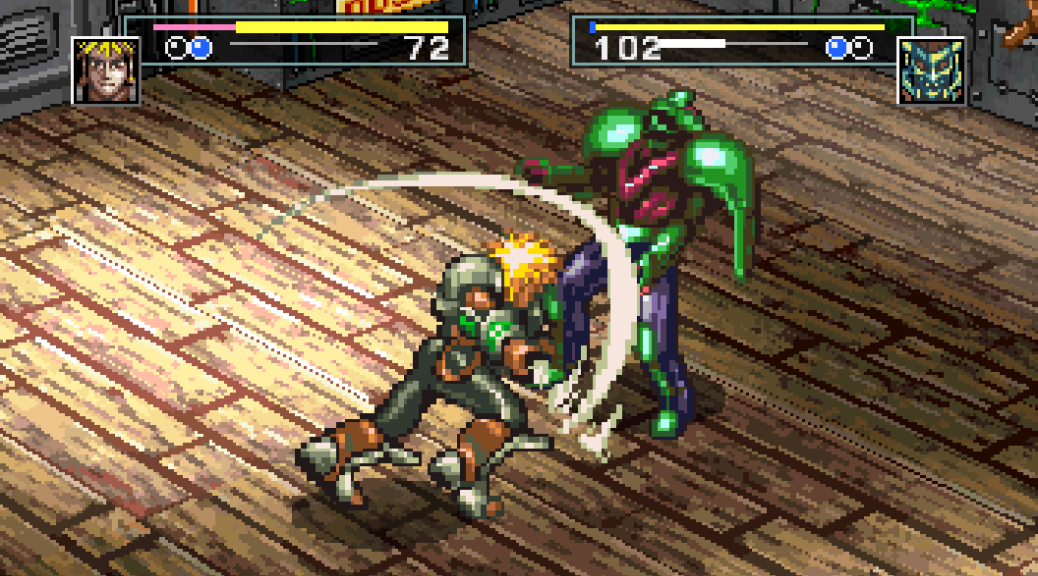
Dark Savior, Sega Saturn
Dark Savior is an isometric action game developed by Climax Entertainment and published by Sega for the Saturn in 1996. In my opinion the game is a bad idea, badly translated, poorly executed, and with some pretty awful story-telling.

Shaman King: Master of Spirits 2, Game Boy Advance
Shaman King: Master of Spirits 2 is the 2005 sequel to the accomplished Shaman King: Master of Spirits and was again developed and published by Konami, only for the Game Boy Advance.
Continue reading Shaman King: Master of Spirits 2, Game Boy Advance
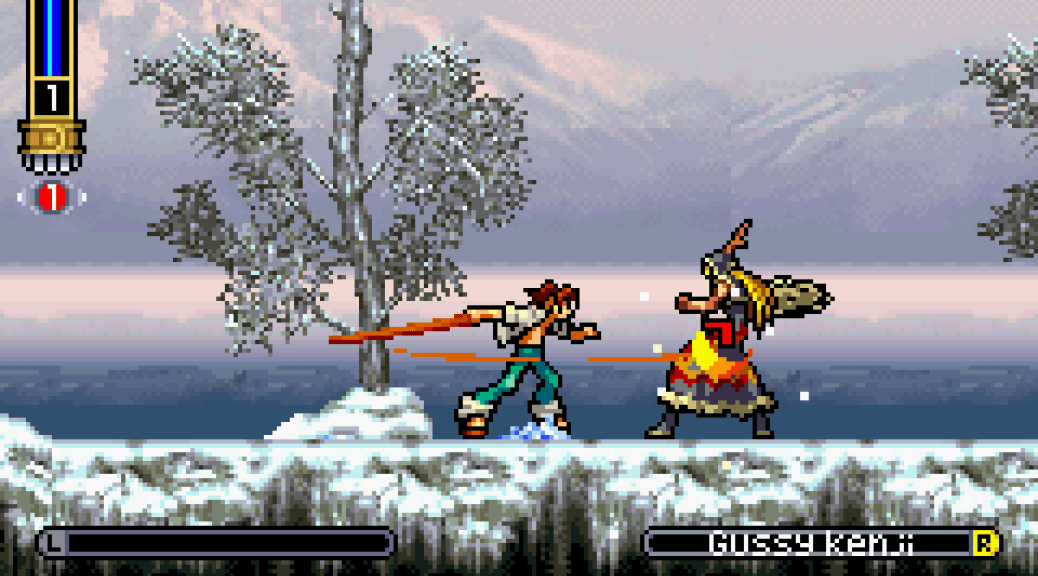
Shaman King: Master of Spirits, Game Boy Advance
Shaman King: Master of Spirits, much like the anime and manga that it’s based upon, is centred on the character Yoh Asakura and his battles to become Shaman King. It was first released for the Game Boy Advance in 2004, by Konami.
Continue reading Shaman King: Master of Spirits, Game Boy Advance

Aladdin, Megadrive/Genesis
AKA “Disney’s Aladdin” is a classic Megadrive/Genesis platform game based on the hit 1992 Disney film of the same name (the one featuring Robin Williams as the voice of The Genie). It was first released in November 1993.
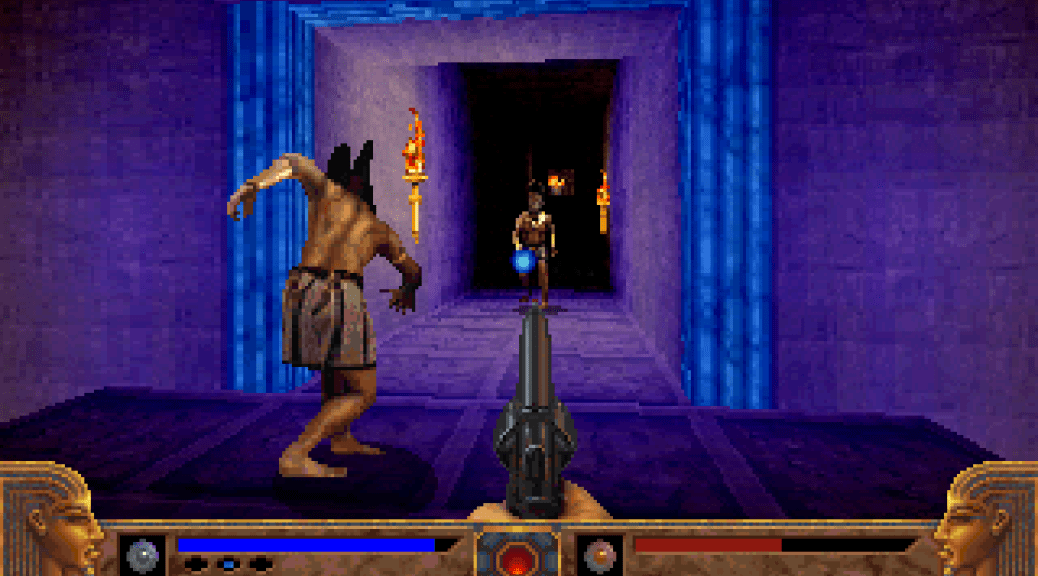
Exhumed, Sega Saturn
Also known as “PowerSlave” in some regions, Exhumed is an Egyptian-themed first-person shoot ’em up with survival horror overtones and it is arguably the best first-person shooter on the Sega Saturn. It was developed by Lobotomy Software and first released in 1996.

