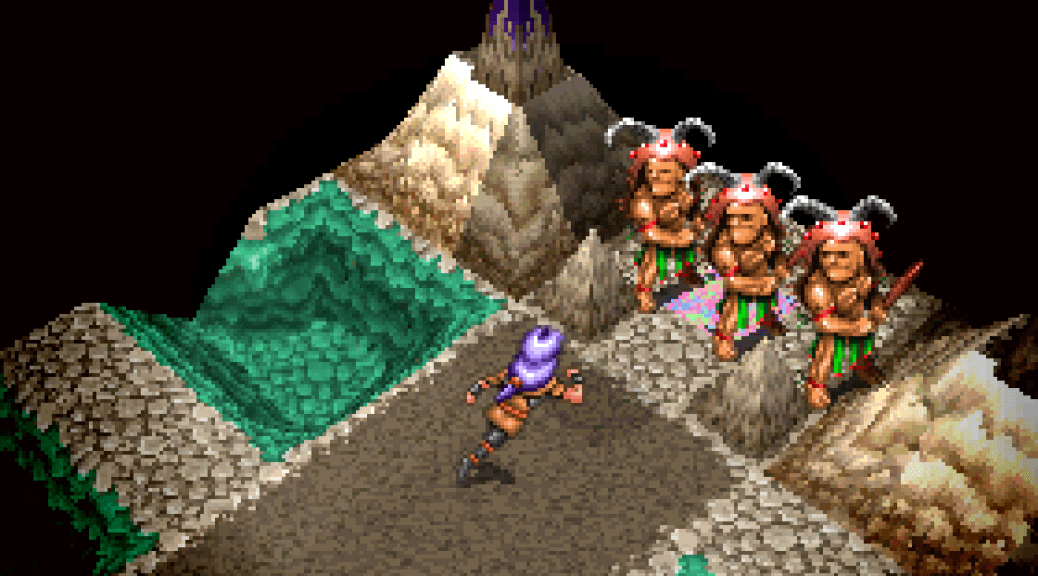
Another Bible is the fourth game in the Megami Tensei ‘Last Bible‘ spin-off series and was originally released for the original Game Boy, in Japan only, in 1995. An English fan translation, by Aeon Genesis, was released in 2002 and the game is also Super Game Boy compatible, so that’s the version I’m showing here.
Tag Archives: Stats
Slayer, 3DO
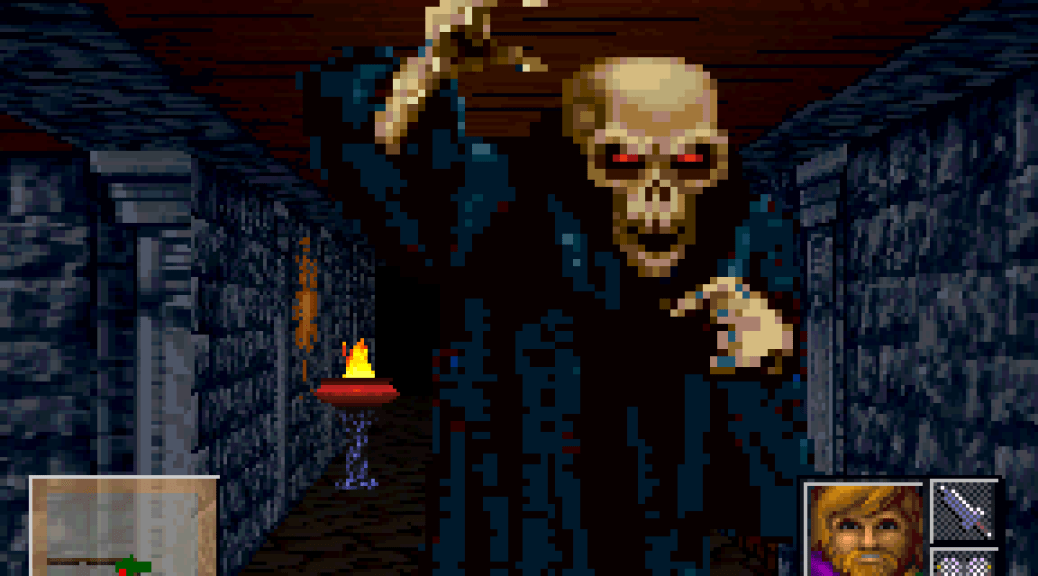
Based on TSR‘s Advanced Dungeons & Dragons Second Edition ruleset, Slayer is a first-person Role-Playing Game that was developed by Lion Entertainment and released exclusively for the 3DO in 1994. The game was published by SSI in North America; by Mindscape in Europe, and by T&E Soft in Japan (under the title “Lost Dungeon“).
Lynx Casino, Atari Lynx
Developed by Brian A. Rice, Inc. and released by Atari Corporation in 1992, Lynx Casino is a compendium of gambling games joined together by a man walking over a gaudy carpet in a virtual casino. Those who’ve wandered through any of the vast casinos in Las Vegas will know how lurid the carpets can be, and the graphic designers who worked on this at least got that part right…
Megami Tensei Gaiden: Last Bible III, Super Nintendo
The third game in the Last Bible series (a subseries of the Megami Tensei games), was developed by Multimedia Intelligence Transfer and published by Atlus – in Japan only – for the Super Famicom in 1995. It is a Role-Playing Game with random encounters and turn-based combat, and features the unique Megami Tensei trait of talking to monsters to try to recruit them, calling them into your party, and fusing them together to make more powerful monsters who will fight with you. This is a Japanese-only release that currently benefits from fan translations into both English and Spanish, which makes this excellent game playable to a good proportion of the Western world.
Continue reading Megami Tensei Gaiden: Last Bible III, Super Nintendo
Megami Tensei Gaiden: Last Bible II, Game Boy Color
Megami Tensei Gaiden: Last Bible II is the second game in the Last Bible series, which is a spin-off from the Megami Tensei RPG series. Last Bible II was originally released in Japan in 1993 for the original B&W Game Boy, with the Game Boy Color version coming out in 1999, some six years later. Neither version was ever officially released in the West, but there is an English fan translation for the Game Boy Color version, which is what I’m showing here.
Continue reading Megami Tensei Gaiden: Last Bible II, Game Boy Color
Revelations: The Demon Slayer, Game Boy Color
Revelations: The Demon Slayer is the localized English language version of Megami Tensei Gaiden: Last Bible, which was first released for the original Game Boy, in Japan only, in 1992. This Game Boy Color version was developed by Multimedia Intelligence Transfer and published by Atlus, in Japan and North America, in 1999.
Continue reading Revelations: The Demon Slayer, Game Boy Color
Megami Tensei Gaiden: Last Bible, Game Gear
Megami Tensei Gaiden: Last Bible is a handheld RPG that was developed by Multimedia Intelligence Transfer and initially published by Atlus for the original black and white Game Boy, in Japan only, in 1992. The Game Gear version was developed by Sega and was first released in 1994 – once again: in Japan only. A fan translation into English was released in 2019, which made the Game Gear version finally playable to Westerners. Which is great because the Game Gear port is the best version of the game available. Let me explain…
Continue reading Megami Tensei Gaiden: Last Bible, Game Gear
Eye of the Beholder II: The Legend of Darkmoon, Amiga
Eye of the Beholder II: The Legend of Darkmoon was once again developed by Westwood Studios (aka Westwood Associates) and first published by Strategic Simulations, Inc. in 1992. It is the sequel to the classic Eye of the Beholder, which came out the previous year.
Continue reading Eye of the Beholder II: The Legend of Darkmoon, Amiga
Eye of the Beholder, Game Boy Advance
The Game Boy Advance version of the classic RPG, Eye of the Beholder, was developed by Pronto Games and first published by Infogrames in 2002. While it does follow the basics of the original, is it considerably different in many respects. It’s also a relatively poor conversion overall.