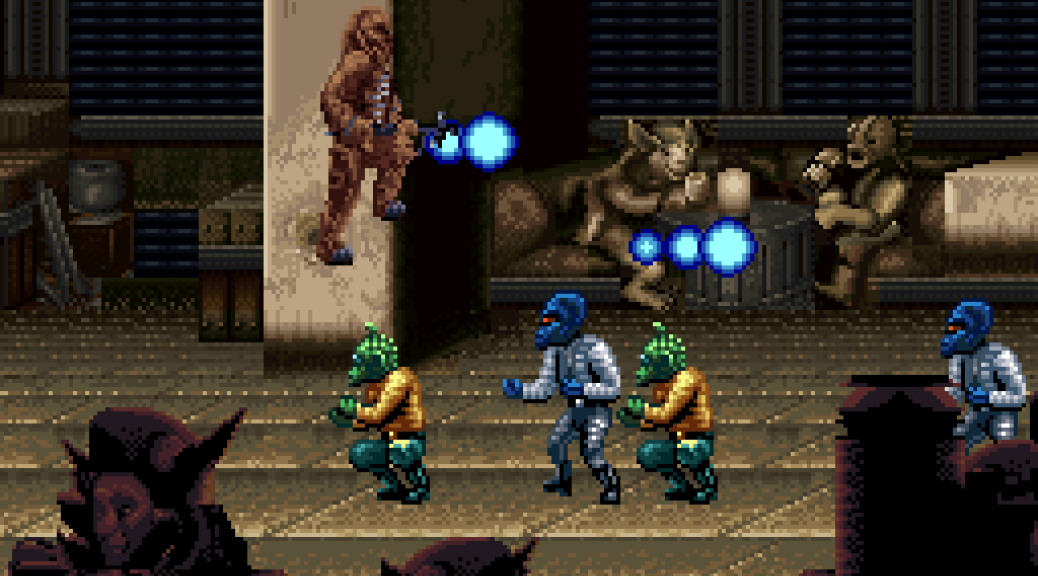
Super Star Wars is a run-and-gun, side-scrolling action game based on the 1977 film Star Wars. It was developed by Sculptured Software and published by JVC for the Super Nintendo in 1992.
Tag Archives: Sprites

Thrusta, ZX Spectrum
Thrusta is an early 16K ZX Spectrum game written by Patrick Richmond and published in 1983 by Software Projects.

James Pond II: Codename Robocod, Amiga
James Pond II: Codename RoboCod is the 1991 sequel to James Pond: Underwater Agent and was again written by Chris Sorrell and published by Millennium Interactive. Unlike the first James Pond game this follow-up is much more structured and playable than its predecessor.
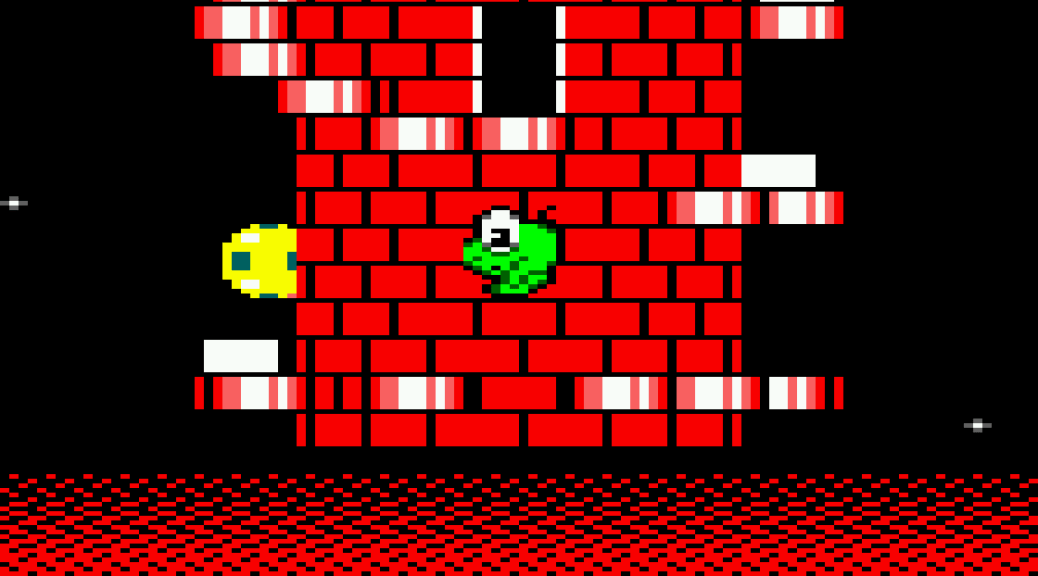
Nebulus, Amstrad CPC
John Phillips‘ Commodore 64 classic, Nebulus, is very good on the Amstrad, although it is quite slow and doesn’t have the intermission challenges of its parent. It doesn’t ruin the game, though. In fact: it may be easier to play than the original due to it being slower.
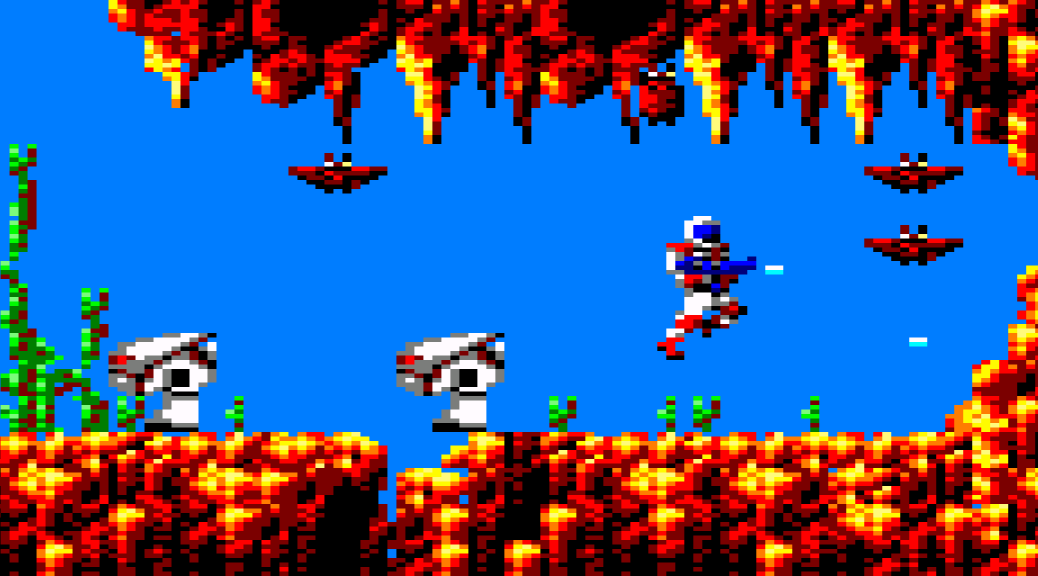
Turrican, Amstrad CPC
Rainbow Arts‘ classic C64 shoot ’em up, Turrican, was converted to the Amstrad by Probe Software, and it demonstrates how to do this kind of side-scrolling run-and-gun shooter on the CPC. Compared to something like Gryzor, Turrican is streets ahead in terms of presentation and playability.

Sorcery Plus, Amstrad CPC
Sorcery Plus is an expanded version of the best-selling Amstrad game Sorcery, catering for 128K disk-based machines and featuring new rooms and other enhancements. It was developed by Gang of Five and published by Virgin Games in 1985.
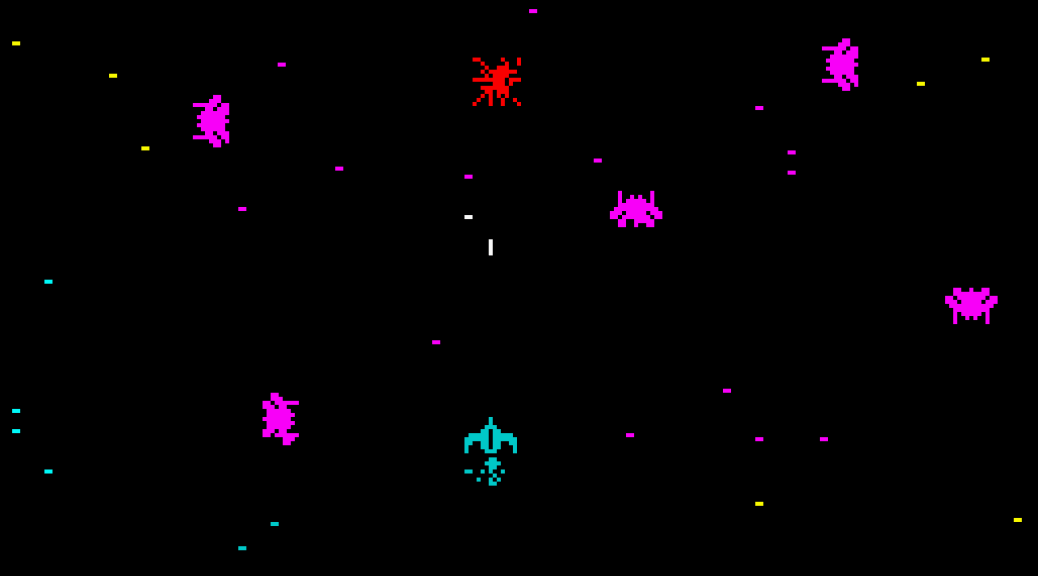
Moon Cresta, ZX Spectrum
The Spectrum conversion of Nichibutsu‘s classic 1980 arcade game Moon Cresta was published by Incentive Software in 1985 and it is considered to be very good, considering the machine’s limitations.

Fortress, BBC Micro
Fortress on the BBC Micro is a bland and overly-difficult Zaxxon clone written by Matthew Newman and first published by Pace in 1983.

Jumpman Junior, Atari 8-bit
Jumpman Junior is the Atari 8-bit cartridge version of Randy Glover‘s classic 8-bit platform game, Jumpman. It was first published by Epyx in 1983.
Since the game came on cartridge the number of levels has been reduced, down to 12, but they are at least all-new levels and not recycled levels from the disk version.

Pitfall II: Lost Caverns, Atari 8-bit
This Atari 8-bit conversion of David Crane‘s classic Atari 2600 platform game is subtitled the “Adventurer’s Edition” because it contains a whole new second level that becomes available after you complete the first.
 The King of Grabs