
Sega‘s 1991 arcade release, Cotton: Fantastic Night Dreams, is a strange-but-cute side-scrolling shoot ’em up featuring a young witch on a broomstick, called Cotton.
Tag Archives: Colourful

Q*bert, Arcade
Gottlieb‘s classic arcade game Q*bert was first released in 1982. It delighted gamers with its quirky mix of cube-jumping and ‘painter’-style gameplay.
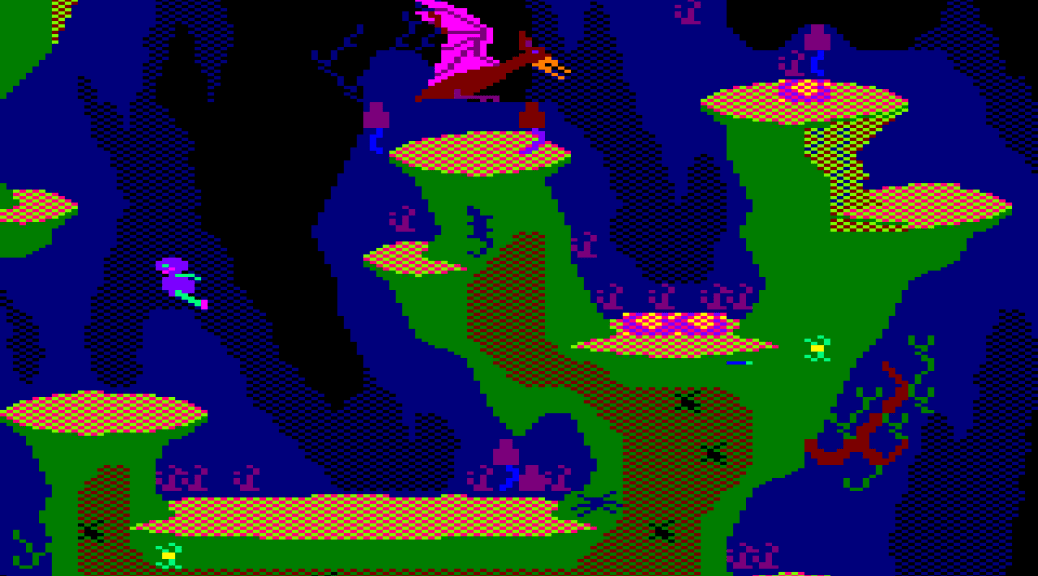
Roland in the Caves, Amstrad CPC
Roland in the Caves is the Amstrad CPC conversion of the classic Bugaboo (The Flea).
Rather than it be a simple ‘rip-off’, Roland in the Caves was actually developed by Indescomp, the original developers of Bugaboo. So it is an ‘official’ conversion and plays pretty much the same as the original.

Booga-Boo, Commodore 64
Quicksilva again allowed their programmers to mess up the name of this great game, originally titled Bugaboo (The Flea), but for some reason called Booga-Boo in this C64 conversion (same in the MSX version too).

Bubble Bobble, BBC Micro
This 1989 BBC Micro conversion of Taito‘s classic arcade game, Bubble Bobble, was never commercially released. Which is a shame because it is rather excellent.

Uridium, BBC Micro
Another conversion, but a very good one. Andrew Braybrook‘s classic horizontally-scrolling shooter, Uridium.

Mr. Ee!, BBC Micro
When Mr. Ee! was released way back in 1984 the games industry was a bit like the Wild West – everybody cloned everyone else’s games and no one gave a sh*t. It wasn’t until later that official licenses and lawsuits for similarities became a thing.
Which is why Mr. Ee! is an almost perfect clone of the arcade game Mr. Do! and was marketed as such back in 1984. Because they could get away with it…
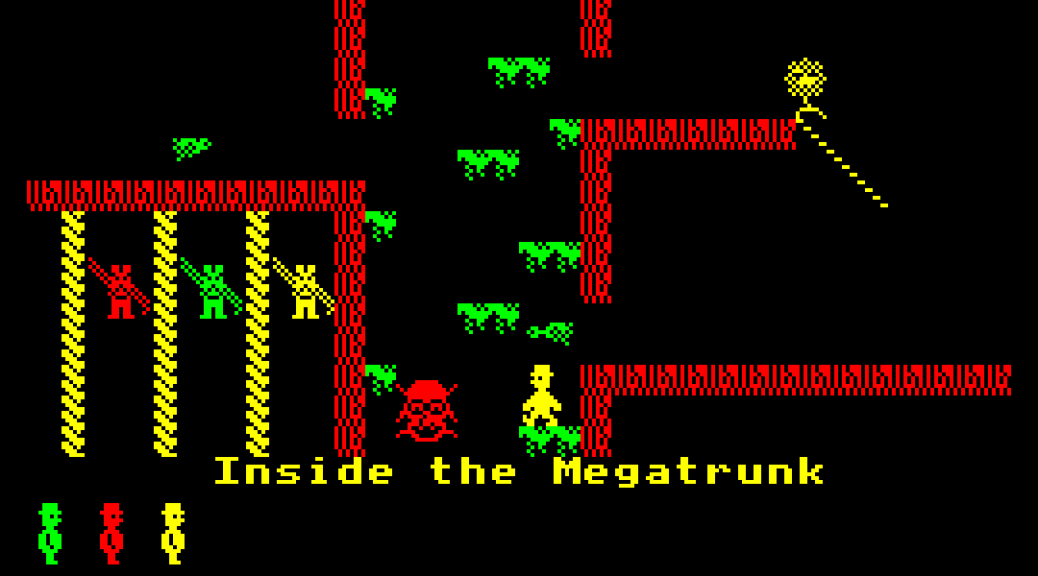
Jet Set Willy, BBC Micro
Matthew Smith‘s brilliant Jet Set Willy translates perfectly well to the BBC Micro.
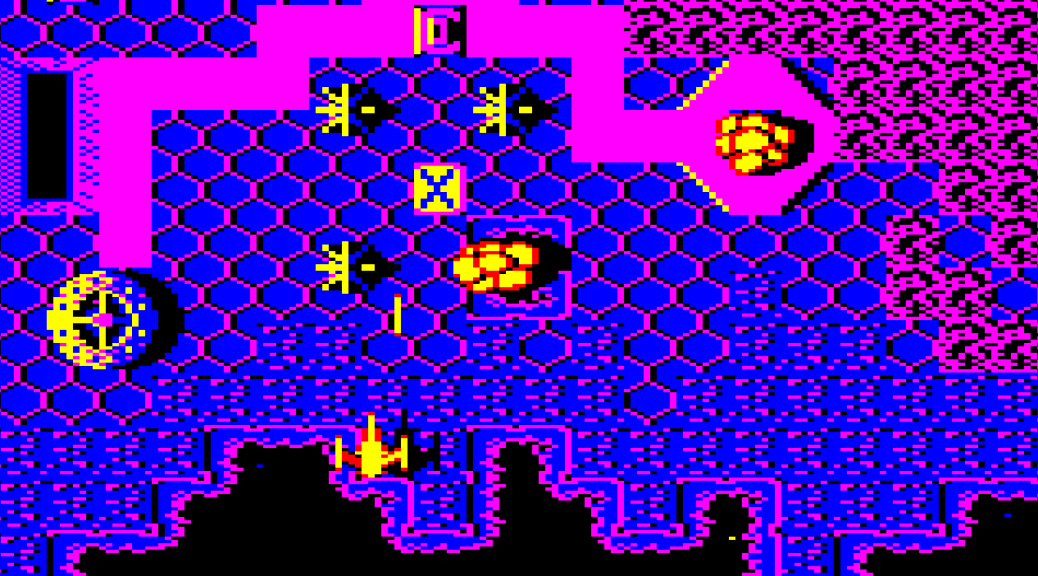
Firetrack, BBC Micro
Released by Electric Dreams Software in 1987, Firetrack is a fast vertical shooter, designed and programmed by Nick Pelling (aka Orlando), the guy who made Frak! (among others).
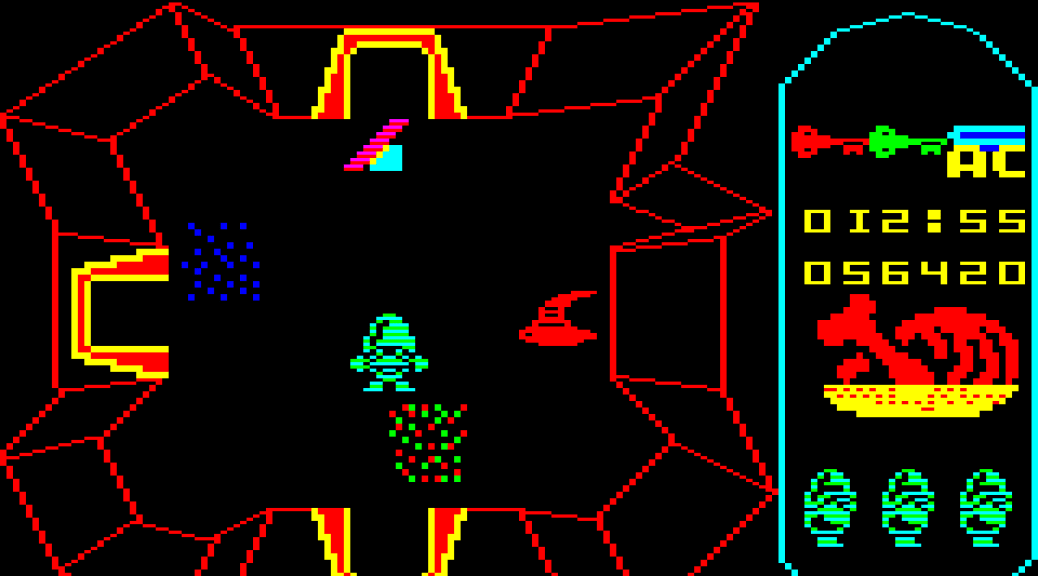
Atic Atac, BBC Micro
The BBC Micro conversion of Ultimate‘s famous Atic Atac is a little on the chunky side graphically, but it plays pretty well.

