
Amiga Chuckie Egg is a bit hit and miss. Actually, it’s more ‘miss’ than ‘hit’ in my opinion.
Tag Archives: platform game

Chuckie Egg, Commodore 64
The Commodore 64 version of A&F‘s Chuckie Egg retains the style and structure of the ZX Spectrum original‘s platforms and ladders, but goes for a chunky Henhouse Harry character sprite. Like in the Atari 800 version: the oversized Harry looks a bit ridiculous, but moves around well enough.

Chuckie Egg, PC
The 1989 MS-DOS conversion of Chuckie Egg plays okay, but I’m not sure what is going on with those graphics. They’re horrible!
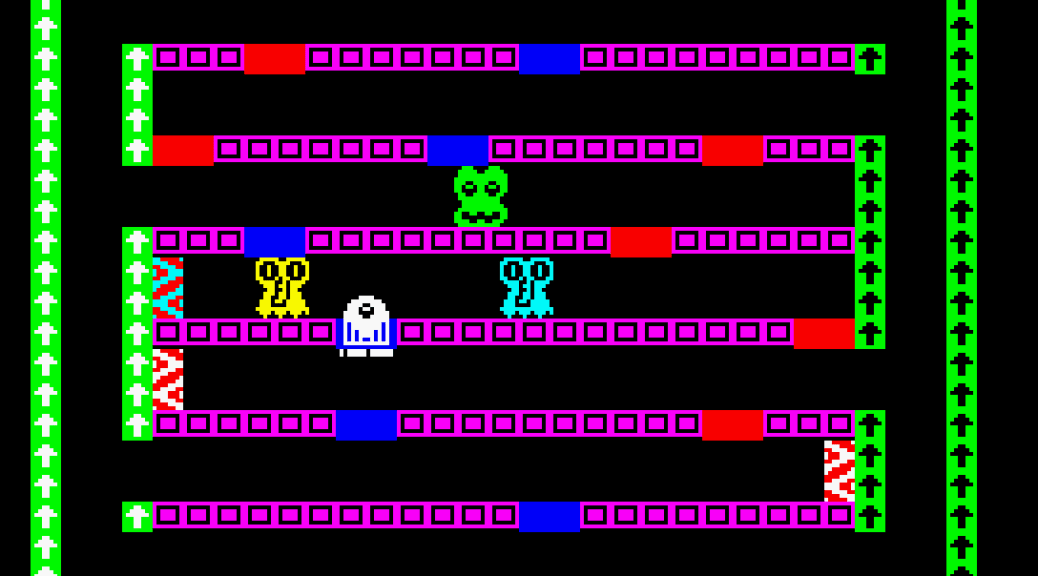
Factory Breakout, ZX Spectrum
Steve Crow‘s second game, Factory Breakout, was published by Poppy Soft in 1984.

Diner, Intellivision
Diner is an unofficial/official sequel to BurgerTime, created by Mattel Electronics exclusively for the Intellivision in 1987. ‘Unofficial’ because it’s not really counted as canon, and ‘official’ because Mattel at least got permission from Data East before releasing it.
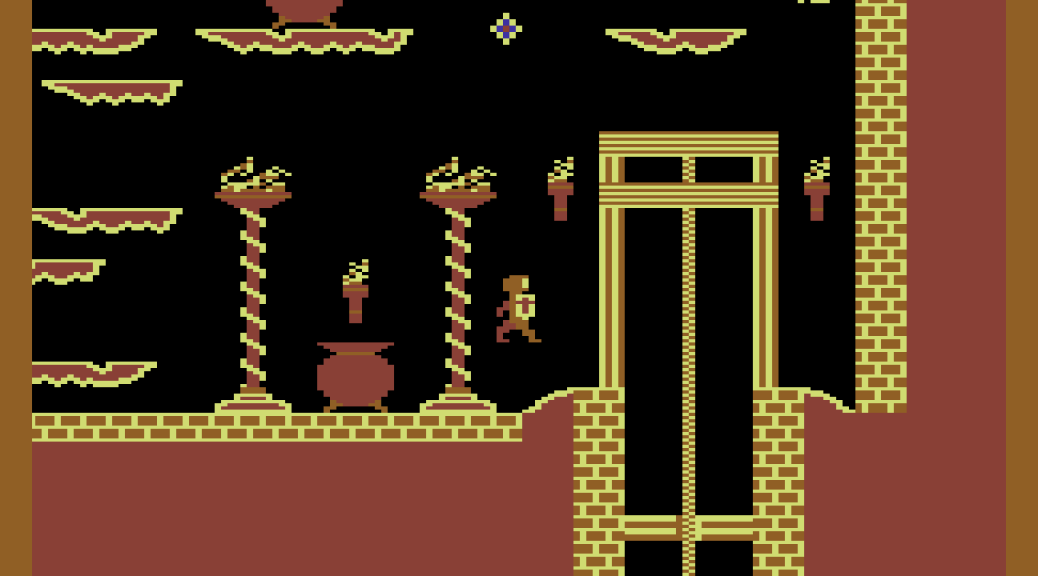
Quo Vadis, Commodore 64
Written by Steven T. Chapman and published by The Edge in 1984, Quo Vadis is a scrolling platform game with a large and varied cavern to explore.
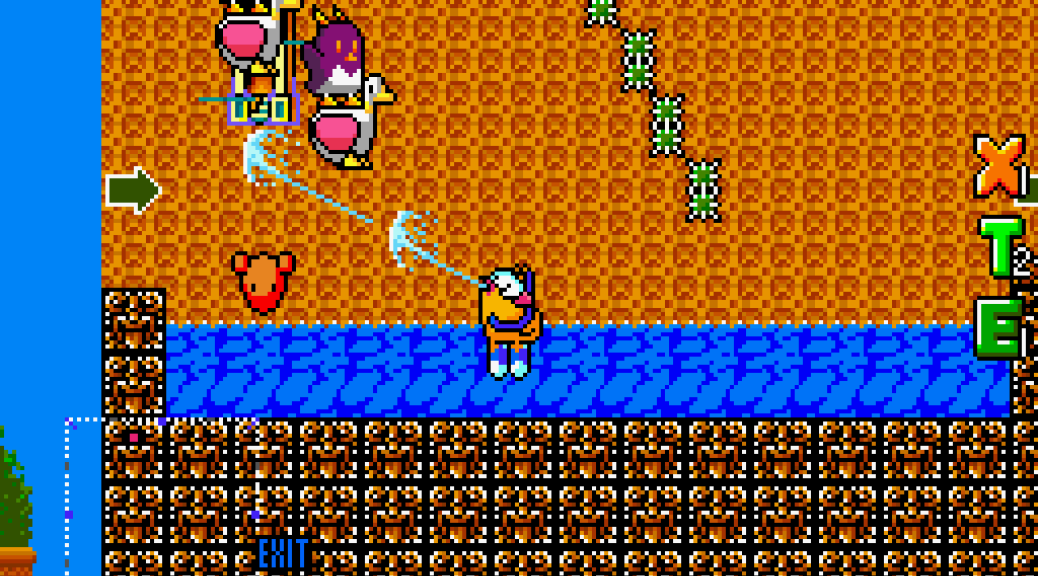
The NewZealand Story, Arcade
Taito‘s 1988 arcade release, The NewZealand Story, is a super-cute platform game featuring a kiwi called Tiki, who is on a rescue mission to save his friends who have been kidnapped by a Leopard Seal. Tiki can jump and shoot arrows from his bow (as kiwis do), as well as commandeer various different floating or flying vehicles to get around in.
The NewZealand Story was an instant hit with gamers and is still much loved today.

Finders Keepers, ZX Spectrum
The first Magic Knight game by David Jones, released by Mastertronic at the budget price of £1.99 in 1985.
Finders Keepers is much more of a platform/maze game than the other games in the Magic Knight series, which are all menu-driven graphical adventures. This one is much more straightforward.
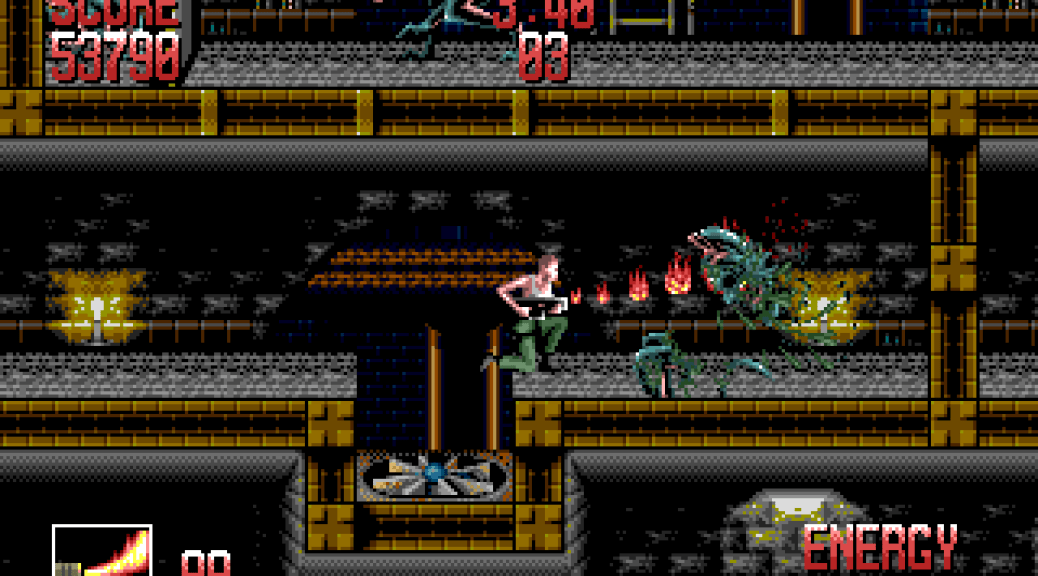
Alien 3, Megadrive/Genesis
Probe Software developed this side-scrolling version of Alien 3 for Acclaim in 1992.
It is a run-and-gun platform game with you playing a bald Ripley trying to rescue cocooned prisoners while fending off waves of attacking aliens.
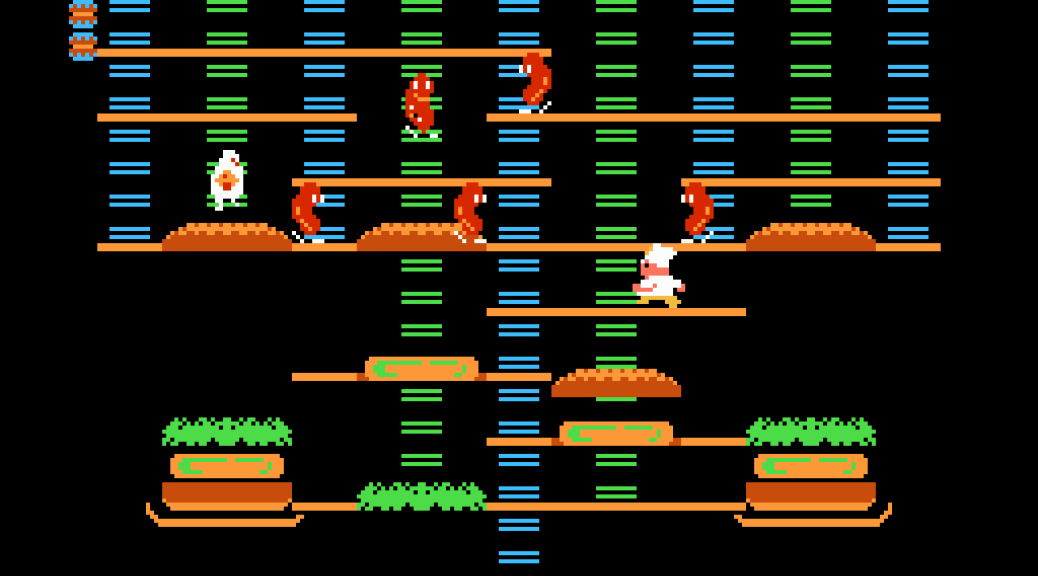
BurgerTime, Famicom Disk System
This 1985 Famicom Disk System conversion of BurgerTime is just as good as the arcade original – excepting for the slightly less colourful graphics.
 The King of Grabs