
The second game in the Castlevania series, Castlevania II: Simon’s Quest, was originally released in Japan (as “Dracula II – Noroi no Fuuin“) for the Famicom Disk System in 1987, and in North America for the NES in 1988. Europe had to wait until 1990 for a release of the game.
Tag Archives: pioneering
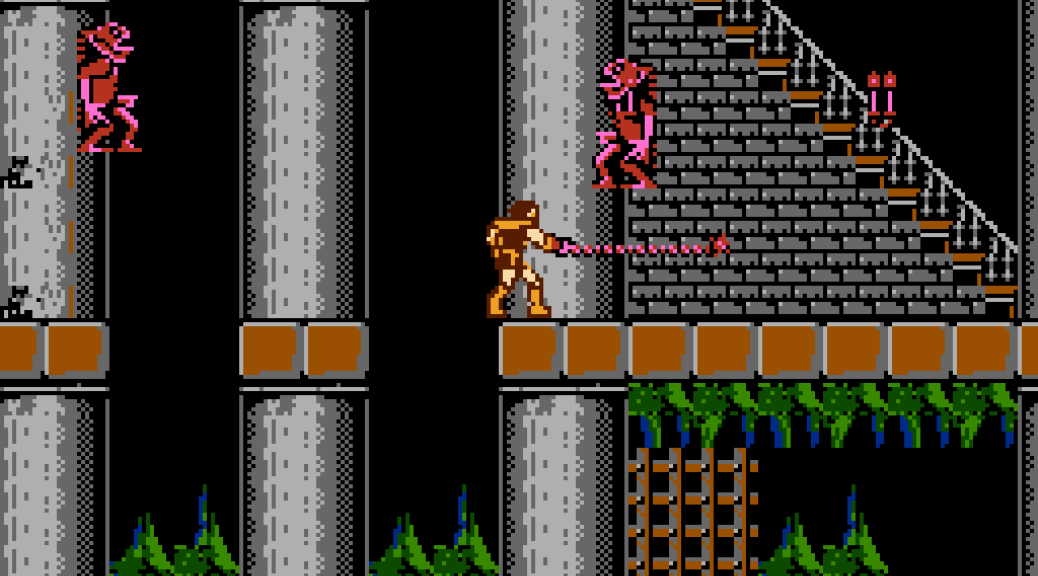
Castlevania, NES/Famicom
The first Castlevania game was initially released in Japan, by Konami, under the title of “Akumajō Dracula” in 1986. Versions for the MSX2 and Famicom Disk System were developed simultaneously, with the Famicom version coming out on 26th September, and the MSX version a month later, on 30th October. That same game was later released in Europe on 30th October 1987 – translated into English – under the title of “Vampire Killer“.
When it came time to convert the game to the Nintendo Entertainment System for a North American release it was decided to re-title the game as “Castlevania“*. This turned out to be a significant decision as it became a big hit and grew to become a popular and well-known series of video games. The name “Castlevania” entered into the lexicon of classic, instantly-recognisable game titles, later becoming a portmanteau of “Metroid” and “Castlevania” (“Metroidvania“) to describe an entire sub-genre of action/platform games that all share similar gameplay features.
*= Although it’s not clear who actually came up with the name “Castlevania” it has been reported that the change was due to Konami of America senior vice president Emil Heidkamp‘s discomfort with the religious connotations of the title “Akumajō Dracula“, which he believed translated as “Dracula Satanic Castle” (although some argue that it translates as “Demon Castle Dracula“).

Doom, Sega 32X
The Sega 32X port of id Software‘s Doom was developed and published by Sega of America in 1994. While the game doesn’t run in a full window (there’s a permanent border around the screen, probably to keep the frame rate up, which is unfortunate), it is an otherwise very good conversion, with smooth movement and decent controls.

Castlevania: Symphony of the Night, Sega Saturn
Konami‘s brilliant PlayStation game, Castlevania: Symphony of the Night, was released for the Sega Saturn in 1998, but it was only ever released in Japan (under the title “Akumajou Dracula X: Gekka no Yasoukyoku“). Thankfully, an English translation patch is available to make the game playable to those who can’t read Japanese. The patch – created by ‘Knight of Dragon’ – also features numerous bug fixes and improvements.
For those who’ve never played Symphony of the Night before: it is a direct sequel to Rondo of Blood and is rightly regarded as one of the best Castlevania games in the long-running series (if not THE best).
Continue reading Castlevania: Symphony of the Night, Sega Saturn
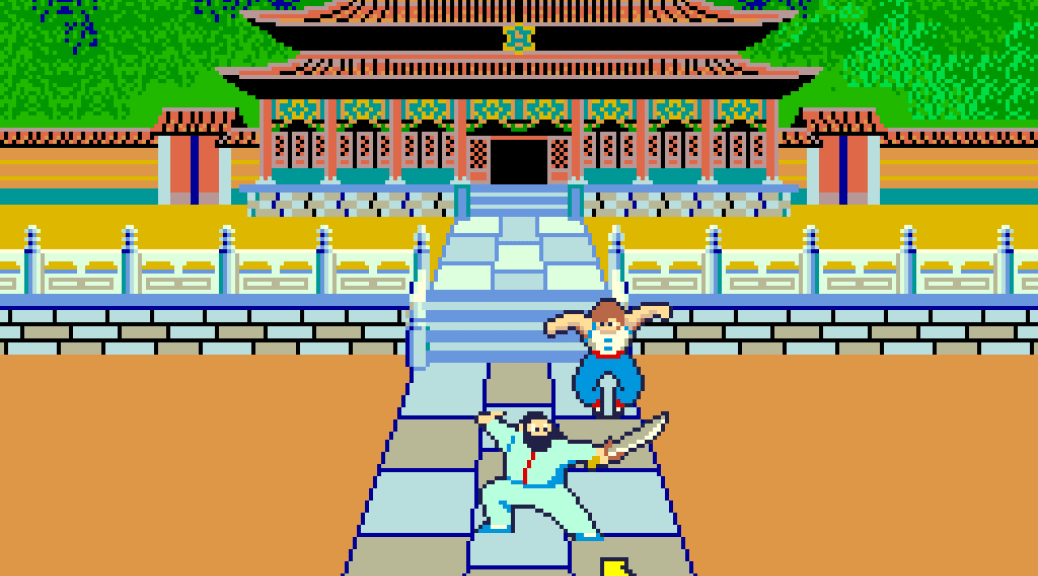
Yie Ar Kung-Fu, Arcade
Alongside Karate Champ, Konami‘s Yie Ar Kung-Fu had a profound effect on the beat ’em up genre and could be said to have contributed greatly to the establishment of modern fighting games. It was given a limited release in Japanese arcades in 1984 and was later rolled-out more widely – and internationally – in 1985.

Doom II, Game Boy Advance
The Game Boy Advance port of id Software‘s classic first-person shooter sequel, Doom II, was developed by Torus Games and first published by Activision in 2002. Unlike the first Doom on the GBA this port doesn’t use the original Doom engine, but instead uses the Southpaw Engine, that was designed for native use on the GBA and has been used in a number of other games. Torus Games had to therefore recreate all the levels from scratch for this port, and I have to say that they did a great job.

Doom, Game Boy Advance
The Game Boy Advance version of Doom was developed by David A. Palmer Productions and published by Activision in 2001. It is a playable and enjoyable version of id Software‘s shooter classic on Nintendo‘s capable handheld.

Paradroid Redux, Commodore 64
Paradroid Redux is a fan-tweaked version of Andrew Braybrook‘s classic Commodore 64 shooter, Paradroid. The Redux version includes bug-fixes, enhancements and additions, and runs faster and smoother than any other Paradroid version that preceded it. It also includes all of the three previous versions of Paradroid in one package.
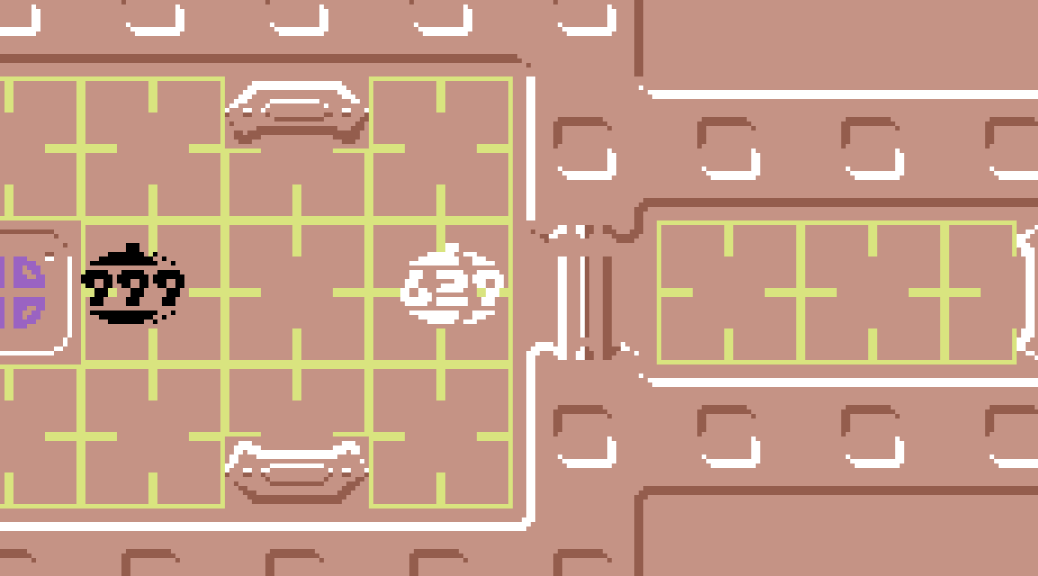
Paradroid, Commodore 64
I’ve already covered the re-made “Paradroid Metal Edition” on this website, but haven’t yet featured the original Paradroid – the highly-rated scrolling action game designed and programmed by Andrew Braybrook and published for the Commodore 64 by Hewson Consultants in 1985.

Cameltry, Super Nintendo
Cameltry is a simple-but-absorbing gravity game where you rotate the landscape around in order to make a ball fall through a maze – eventually reaching the goal. The quicker you complete a level the more chance you have of extra time being added to your next round.
 The King of Grabs